Introduction
Maintaining hygienic surfaces is an important requirement in commercial environments such as hospitals, hotels, restaurants, laboratories, offices, and public facilities. Countertops, washbasins, reception desks, and work surfaces are frequently touched or exposed to water, food residue, cleaning products, and other contaminants. If these areas are difficult to clean, dirt and moisture can accumulate and make routine sanitation more challenging.
Material selection plays an important role in creating cleaner and easier-to-maintain spaces. Solid surface technology offers several useful design characteristics, including smooth finishes, non-porous construction in many product formulations, and options for seamless fabrication. These features make KingKonree Solid Surface worth considering for commercial projects where surface cleanliness and practical maintenance are priorities.
1. Understanding Solid Surface Technology
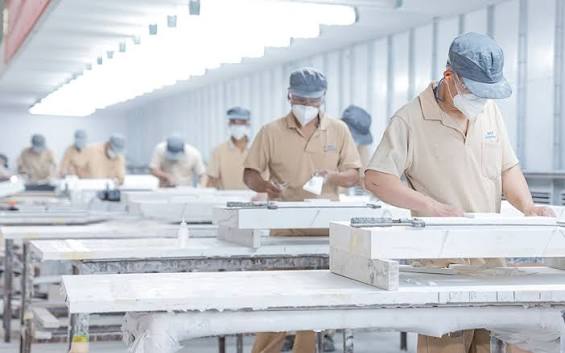
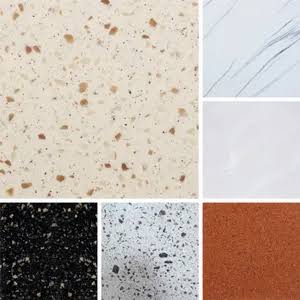
Solid surface is an engineered material commonly manufactured using mineral fillers, resin-based components, and pigments. The combination of these ingredients creates a uniform material that can be fabricated into countertops, vanity tops, washbasins, wall features, and customized commercial installations.
Unlike some traditional surface materials that consist of multiple visible layers, solid surface products can often be processed into integrated designs with smooth transitions between connected components.
The exact properties depend on the product formulation, manufacturing quality, and surface finish. Buyers should review technical specifications to understand the hygiene-related characteristics of a particular material.
2. Non-Porous Surfaces Help Simplify Cleaning
One of the important characteristics of many solid surface materials is their non-porous construction. This can help limit the absorption of liquids and reduce the likelihood of substances penetrating the surface during normal use.
In commercial environments, this property can make everyday cleaning more straightforward.
Reduced Liquid Absorption
Spills are common in restaurants, healthcare facilities, hotel bathrooms, and food preparation areas. When a surface resists liquid absorption, cleaning staff can generally remove many everyday spills without dealing with deep penetration into the material.
However, stains should still be cleaned promptly, and the manufacturer’s recommended cleaning procedures should be followed.
Easier Removal of Surface Residue
Smooth solid surface finishes can make it easier to wipe away common contaminants such as dust, soap residue, food particles, and fingerprints.
This is useful in facilities where countertops and work areas need frequent attention throughout the day.
Consistent Cleaning Performance
A suitable surface material can support standardized cleaning routines. Staff can use approved cleaning products and consistent procedures to maintain different installations across a building.
The cleaning chemicals must always be compatible with the selected material.
3. Seamless Fabrication Can Reduce Difficult-to-Clean Areas
Joints, gaps, and poorly finished connections can create areas where dirt and moisture accumulate. This can make cleaning more difficult, particularly around frequently used sinks and workstations.
Solid surface technology allows certain components to be joined using specialized fabrication methods that create nearly invisible seams.
Integrated Washbasins
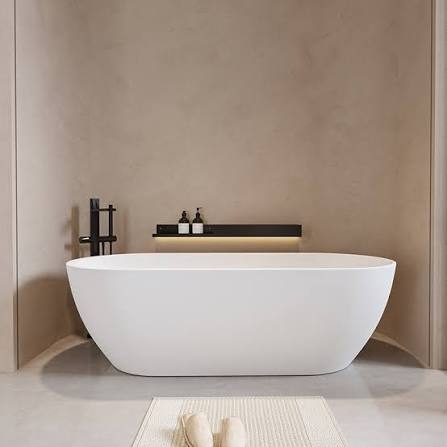
In commercial bathrooms, integrated washbasins can provide a smoother transition between the basin and surrounding countertop.
This design reduces some of the visible joints found in installations that use separately manufactured components.
Smooth Countertop Connections
Large reception counters, service stations, and bathroom vanity tops may require multiple sections. Professional solid surface fabrication can help create more continuous-looking connections.
Fewer exposed gaps can make routine wiping easier, although proper installation and maintenance remain essential.
Customized Corner Designs
Rounded corners and carefully finished edges can also support easier cleaning. Designs with fewer narrow spaces and complicated joints may be more practical for facilities with frequent sanitation requirements.
4. Supporting Hygiene Requirements in Healthcare Facilities
Healthcare environments require careful attention to cleaning procedures because surfaces may be exposed to frequent contact and different types of contamination.
Solid surface materials can be considered for selected applications where smooth, maintainable surfaces are needed.
Nurse Stations and Work Counters
Nurse stations and administrative work areas experience regular contact with equipment, documents, and staff members. Smooth countertops can help cleaning teams maintain these spaces as part of routine facility procedures.
Patient Bathrooms
Bathroom vanity tops and washbasins are exposed to water, soap, personal care products, and frequent use. Non-porous surface construction and integrated basin designs can support easier maintenance.
Clinical Support Areas
Some clinical work areas require surfaces that can tolerate frequent cleaning with approved disinfectants. Before selecting a solid surface product, facility planners should verify its compatibility with the specific chemicals and sanitation procedures used in the building.
It is important to recognize that a countertop material does not automatically make a healthcare space sterile or prevent infection. Hygiene depends on appropriate cleaning protocols, staff practices, and compliance with applicable healthcare standards.
5. Improving Cleanliness in Hotels and Hospitality Spaces
Hotels and hospitality businesses need to maintain attractive and hygienic interiors while accommodating continuous guest activity.
Solid surface materials can be useful for selected installations because they combine design flexibility with relatively straightforward cleaning requirements.
Hotel Bathroom Vanities
Guest bathrooms require frequent cleaning between stays. Vanity tops and integrated washbasins made from suitable solid surface materials can provide smooth areas that are easier to wipe down.
Reception Desks
Reception counters are among the most frequently touched surfaces in hotels. Their appearance contributes to the guest experience, while their maintenance requirements affect daily housekeeping operations.
A smooth, properly finished counter can support routine cleaning without compromising the intended interior design.
Restaurant Service Counters
Food service environments need work surfaces that can be cleaned according to applicable food safety requirements. Solid surface products may be suitable for selected service counters, provided their specifications meet the demands of the application.
The material should not be assumed suitable for every direct food-contact application without appropriate confirmation.
6. Helping Maintain Hygiene in Restaurants and Food Service Areas
Restaurants, cafés, and commercial kitchens face frequent spills, grease deposits, food residue, and regular cleaning schedules.
Material selection should support efficient cleaning while meeting the requirements of the specific work area.
Easy-to-Wipe Work Surfaces
Smooth countertops can make it easier to remove food residue and everyday spills. Staff can use suitable cleaning products and cloths to maintain the surface between activities.
Reducing Residue Around Joints
Integrated components and carefully finished connections can reduce some of the gaps where food particles and moisture may collect.
This can be especially useful around sinks and service counters.
Chemical Compatibility
Commercial kitchens often use specialized cleaning agents and disinfectants. Buyers should check whether the selected solid surface material can withstand the chemicals used in their cleaning procedures.
They should also follow recommended contact times, dilution instructions, and rinsing procedures.
7. The Importance of Suitable Cleaning and Disinfection
Even surfaces with non-porous construction require regular cleaning. Material properties alone cannot replace proper hygiene procedures.
A suitable cleaning routine should be based on the environment, the type of contamination, and the manufacturer’s care recommendations.
Daily Cleaning
Routine cleaning generally involves removing loose dirt, wiping away spills, and washing the surface with an approved cleaning solution.
A soft cloth or non-abrasive sponge is usually appropriate for everyday maintenance.
Disinfection Procedures
Where disinfection is required, facilities should use products approved for the specific surface material and follow the disinfectant manufacturer’s instructions.
Cleaning and disinfection are different processes. Removing visible dirt before applying a disinfectant can help ensure that the procedure is carried out correctly.
Staff Training
Cleaning teams should understand which products are approved, how they should be applied, and which tools should be avoided.
Clear instructions help reduce inconsistent practices and prevent accidental surface damage.
8. Resistance to Stains and Everyday Contamination
Commercial surfaces may come into contact with substances such as coffee, cosmetics, oils, soap, and food ingredients.
Many solid surface materials are designed to offer useful stain resistance, although performance varies by formulation, color, finish, and exposure conditions.
Prompt Spill Removal
Cleaning spills quickly helps prevent residue from drying or becoming difficult to remove.
This is particularly important in hotel bathrooms, restaurant service areas, and busy public facilities.
Appropriate Cleaning Products
Mild detergents may be suitable for many routine cleaning tasks. More persistent stains may require a specific approved cleaner.
Strong solvents, abrasive powders, and unverified chemical treatments should be avoided unless the manufacturer confirms compatibility.
Regular Surface Inspection
Periodic inspections help identify discoloration, scratches, damaged seams, or other issues that may affect cleaning performance.
Repairing problems early can help maintain the surface in a suitable condition.
9. Choosing the Right Solid Surface Product for Commercial Use
Not every solid surface product is suitable for every commercial environment. Buyers should evaluate the intended application and verify that the material meets the required performance criteria.
Important factors include:
Material composition: Review the resin system, mineral content, and relevant technical specifications.
Surface finish: Select a finish that supports the intended design and cleaning routine.
Chemical resistance: Confirm compatibility with the detergents and disinfectants used by facility staff.
Fabrication options: Consider integrated sinks, customized edges, and reduced-visibility joints where appropriate.
Durability: Evaluate scratch resistance, impact performance, and other characteristics relevant to the expected level of use.
Compliance requirements: Check applicable standards and project-specific hygiene requirements, particularly in healthcare and food service environments.
Installation quality: Ensure that joints, edges, supports, and connections are fabricated and installed correctly.
10. Comparing Solid Surface with Other Commercial Surface Materials
Different materials offer different advantages for commercial applications. Solid surface should be compared with alternatives according to the needs of the facility rather than treated as a universal solution.
| Material | Hygiene-Related Characteristics | Maintenance Considerations |
|---|---|---|
| Solid Surface | Many products have non-porous construction and can support seamless fabrication | Routine cleaning is relatively straightforward; chemical compatibility must be checked |
| Natural Stone | Porosity varies by stone type | Some stones require sealing and specific cleaning products |
| Ceramic | Hard, smooth glazed surfaces are generally easy to clean | Grout joints may require additional attention |
| Stainless Steel | Non-porous and widely used in suitable commercial environments | Can show fingerprints, scratches, and watermarks |
| Laminate | Decorative surfaces can be easy to wipe when intact | Damaged edges or seams may allow moisture to reach the substrate |
The most appropriate choice depends on the installation, sanitation requirements, expected wear, and maintenance resources available.
11. Designing Commercial Spaces for Better Hygiene
Good material selection should be supported by thoughtful interior planning. Even a suitable surface can become difficult to maintain if the surrounding design contains unnecessary gaps, inaccessible corners, or poorly planned connections.
Designers and facility managers should consider the following practices:
- Use smooth and accessible surfaces in frequently cleaned areas.
- Minimize unnecessary joints around sinks and counters.
- Select suitable edge profiles that are easy to wipe.
- Provide adequate access around plumbing and fixtures.
- Avoid design details that create inaccessible dirt-collection areas.
- Establish clear maintenance responsibilities for different zones.
- Confirm that all materials are compatible with the facility’s sanitation procedures.
Combining practical design with appropriate cleaning practices can make ongoing facility maintenance more efficient.
12. Long-Term Maintenance and Surface Care
Maintaining solid surface installations over time requires regular attention. Daily cleaning should be supported by periodic inspections and appropriate repairs.
Minor scratches on some solid surface products may be addressed through manufacturer-approved refinishing methods. More serious damage, such as deep cracks or compromised joints, may require professional assessment.
Facility managers should keep records of approved cleaning products, maintenance schedules, and repair procedures. This helps ensure that staff members follow consistent practices, particularly in large buildings with multiple installations.
Avoiding excessive heat, harsh chemicals, and unsuitable abrasive tools can also help preserve the surface finish.
Conclusion
Solid surface technology can contribute to better hygiene management in commercial environments through characteristics such as smooth finishes, non-porous construction in many formulations, and options for seamless fabrication. These features can make routine cleaning more convenient and reduce some of the difficult-to-maintain gaps found in conventional installations.
Hospitals, hotels, restaurants, offices, and public facilities may benefit from using suitable solid surface products for countertops, vanity tops, integrated washbasins, and selected work areas. However, material selection must be based on verified technical specifications, chemical compatibility, and the hygiene requirements of each application.
Ultimately, effective hygiene depends on more than the surface material itself. Proper design, professional installation, approved cleaning products, staff training, and consistent maintenance all work together to support cleaner and more manageable commercial spaces.