
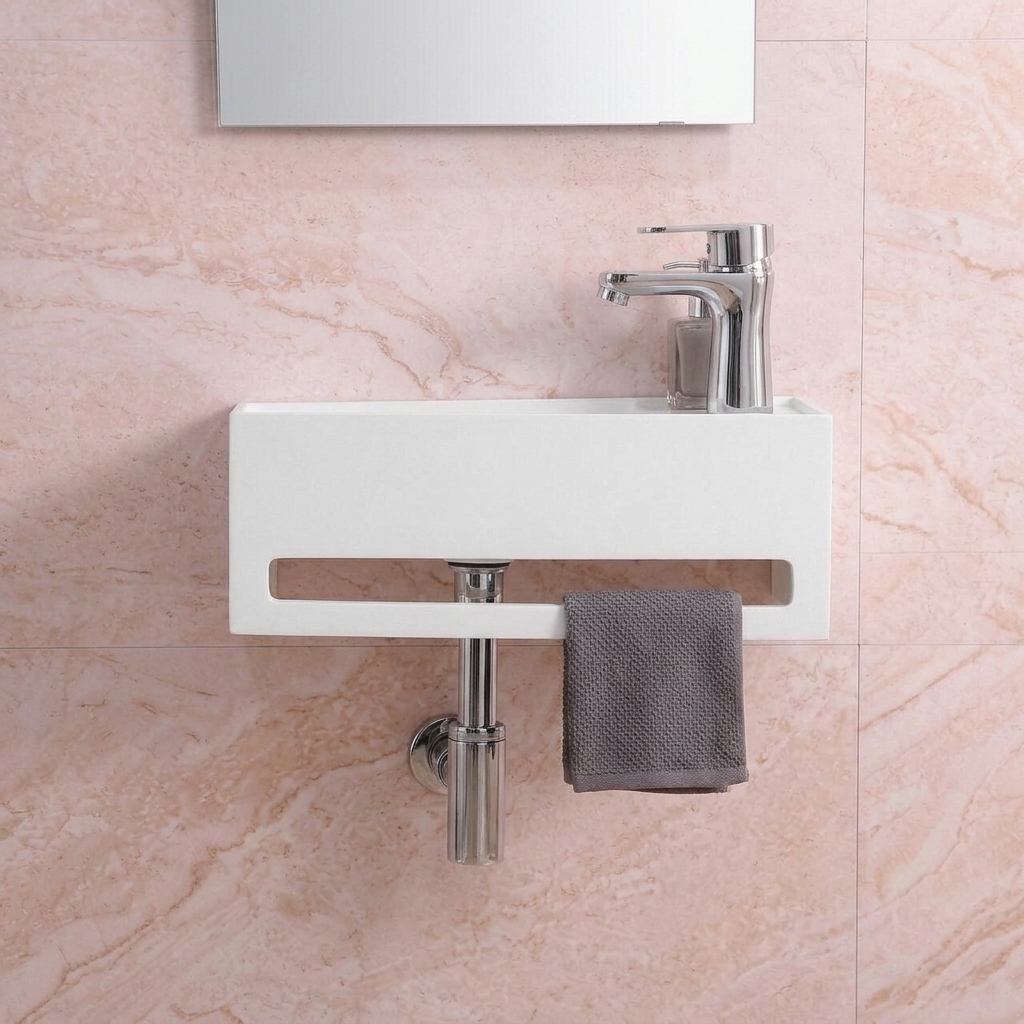
Contemporary bathrooms often combine clean lines, practical fittings, and carefully planned layouts. Every fixture needs to contribute to the overall design without taking up unnecessary space. The basin deserves particular attention because it affects both the appearance of the room and the comfort of everyday routines.
Choosing a small bathroom basin requires more than matching its color with the tiles or selecting the smallest available model. The right option should suit the room’s proportions, complement the vanity or wall finish, and provide enough space for comfortable handwashing. A few design and installation decisions can make a noticeable difference to the finished bathroom.
Start With the Bathroom Layout
Before comparing basin designs, look at the available floor and wall space. A contemporary bathroom may have a floating vanity, a walk-in shower, a wall-hung toilet, or several fixtures arranged along one wall. The basin must fit into this layout without restricting access to other areas.
Measure the intended installation area carefully. Include the distance between the basin and nearby walls, cabinets, doors, and shower screens. A model that fits the wall width may still project too far into the room.
Think about how people move through the bathroom as well. The basin should remain easy to approach, with enough standing space in front. In a narrow ensuite or guest bathroom, a shallow design may provide better clearance than a deeper model.
Choose a Shape That Suits the Interior
Basin shape has a strong influence on the character of a contemporary bathroom. Rounded and rectangular designs are common choices, yet each creates a different visual effect.
Round and Oval Basins
Round and oval basins soften bathrooms with straight tile lines, rectangular mirrors, and angular cabinets. Their curved edges create a gentle contrast with modern fittings.
These shapes often work well in compact spaces because they avoid prominent corners. An oval bowl can also provide a comfortable washing area without requiring a wide countertop.
Rectangular and Square Basins
Rectangular basins suit interiors with geometric details and straight-edged furniture. Their defined shape creates a structured appearance that works well with floating vanities and large-format wall tiles.
Square designs offer a similar effect, although their proportions need careful consideration. A very narrow square bowl may leave limited room for handwashing.
Asymmetrical Designs
Some contemporary interiors use offset or asymmetrical basins to make better use of limited counter space. These designs may place the bowl toward one side and leave a small surface for soap or other essentials.
Check the faucet position and drainage arrangement before choosing an unusual shape. The visual design should not create practical problems during daily use.
Match the Basin With the Vanity
The relationship between the basin and vanity determines how balanced the bathroom looks. A basin that is too wide for its cabinet may make the installation feel crowded. A very small bowl on a large countertop can appear disconnected from the rest of the furniture.
For a floating vanity, consider a basin with clean edges and proportions that suit the cabinet width. Integrated countertop basins create a continuous surface and reduce visible joints. Countertop bowl designs provide a more distinct focal point, although they need suitable faucet height and additional vertical clearance.
Storage also matters. A vanity should provide enough room for toiletries and cleaning supplies without making the basin difficult to access. In smaller bathrooms, drawers with plumbing cutouts can make better use of the available cabinet space.
Consider Material and Finish Together
Material selection affects the basin’s appearance, cleaning routine, and expected service life. Contemporary bathrooms often use restrained finishes, so surface quality becomes an important part of the overall design.
Ceramic and porcelain remain common choices for their smooth glazed surfaces and familiar appearance. Solid surface materials offer greater flexibility in shape and may support integrated designs with fewer visible seams. Resin products come in different formulations, so buyers should review the manufacturer’s specifications rather than judge quality by appearance alone.
The finish should also complement nearby surfaces.
- Gloss white: Works with light tiles and creates a bright, familiar bathroom appearance.
- Matte white: Offers a softer look and pairs well with natural stone or wood finishes.
- Black: Creates contrast against pale walls and light countertops.
- Neutral tones: Beige, grey, and other muted colors suit understated contemporary interiors.
Avoid selecting a finish based only on current trends. Consider water marks, soap residue, cleaning requirements, and how the basin will look beside the chosen faucet and countertop.
Check Bowl Depth and Water Control
A basin needs enough internal space for comfortable handwashing. A shallow bowl may suit a tight layout, yet it can allow water to splash onto the countertop. A deeper bowl may contain water more effectively, although it can feel oversized in a compact bathroom.
The shape of the interior also influences water movement. Smooth curves help guide water toward the drain, while sharp corners may require more attention during cleaning.
Faucet placement should match the bowl’s dimensions. The water stream needs to reach the basin without striking the edge or creating excessive splashing. Consider the spout height and reach together with the bowl’s depth.
For households with children or older residents, check whether the basin height and depth allow comfortable access. A visually attractive design still needs to work for everyone who uses the bathroom.
Select the Right Installation Type
Installation style changes the amount of visible floor space, the storage options, and the bathroom’s overall appearance. Three common arrangements suit different contemporary layouts.
Wall-Mounted Basins
Wall-mounted basins attach directly to a supporting wall. They leave the floor beneath open, which helps create a lighter appearance and makes floor cleaning easier.
This option works well in small guest bathrooms and narrow wash areas. However, the wall structure must support the basin securely. Plumbing connections may also remain visible unless the design includes suitable concealment.
Countertop Basins
Countertop models sit on top of a vanity or counter. They offer flexibility in shape and finish and can create a clear focal point within the room.
The countertop needs enough depth and width to support the basin. Buyers should also check the height of the finished installation because the bowl adds to the overall level.
Integrated Basins
Integrated designs combine the bowl and surrounding surface into one unit. They create a continuous appearance and reduce the number of joints where dirt and moisture may collect.
These basins suit contemporary bathrooms that favor simple surfaces and easy cleaning. Check the available sizes and replacement options before choosing a custom or integrated model.
Coordinate the Basin With Faucets and Accessories
A contemporary bathroom looks more consistent when its fixtures share a related design language. The faucet, mirror, towel rail, and cabinet handles should complement the basin rather than compete with it.
A slim single-lever mixer tap often suits minimalist interiors. Wall-mounted faucets can free up countertop space, although their height and water outlet position must match the basin. Chrome creates a familiar reflective finish, while brushed metal and matte black provide different visual effects.
The mirror can also help balance the basin area. A round mirror softens a rectangular vanity, while a rectangular mirror can reinforce a structured interior. Keep enough clearance between the mirror, faucet, and basin to avoid a cramped arrangement.
Plan Plumbing Before Finalizing the Model
The appearance of a basin should not be the only deciding factor. Its waste outlet, tap holes, overflow, and mounting requirements must work with the bathroom’s plumbing.
Check the following details before ordering:
- Drain outlet size and position.
- Compatibility with the existing waste trap.
- Number and placement of faucet holes.
- Overflow opening or overflow-free construction.
- Water supply connections.
- Required mounting brackets and support.
For renovation projects, compare these specifications with the existing plumbing before removing the old fixture. For new bathrooms, coordinate the basin dimensions with the plumber and installer during the layout stage.
This step can prevent extra drilling, pipe adjustments, and delays once the bathroom work begins.
Make Cleaning and Maintenance Part of the Decision
A contemporary bathroom often relies on uncluttered surfaces, so a basin that is difficult to clean can affect the entire space. Designs with smooth interiors and accessible edges generally make routine care easier.
Look closely at the area around the faucet, drain, and wall connection. Narrow gaps may collect soap residue or moisture. Integrated models can reduce some of these cleaning points, while countertop designs may need regular attention around the base and sealant.
Ask the supplier for material-specific care instructions. Some finishes may scratch when cleaned with abrasive products. Using suitable cleaners helps preserve the surface and reduces the risk of discoloration.
For homes with several users, durability deserves equal attention. A basin that handles regular use without demanding complicated maintenance offers better long-term value.
Common Mistakes to Avoid When Choosing a Basin
Even a well-designed bathroom can feel inconvenient when the basin selection does not match the space. A few common mistakes are worth avoiding.
Choosing by appearance alone: A stylish bowl may have insufficient depth or an awkward faucet position. Review dimensions and technical details before making a decision.
Ignoring projection: A basin that extends too far from the wall can restrict movement in a narrow room. Measure the available clearance rather than focusing only on width.
Overlooking plumbing compatibility: A different drain position or tap-hole arrangement may require additional installation work.
Selecting an unsuitable finish: Some surfaces show water marks and fingerprints more clearly than others. Consider the cleaning routine and the bathroom’s lighting.
Forgetting storage needs: A compact basin may leave little room for toiletries. Plan the vanity and nearby accessories as part of the same layout.
Final Thoughts
A contemporary bathroom needs a basin that supports the interior design and everyday use. Shape, dimensions, material, installation style, and faucet compatibility all influence how well the fixture performs after installation.
Compare the available options against the actual bathroom layout instead of choosing by appearance or price alone. Brands such as kingkonree offer compact basin options worth reviewing when comparing designs and specifications. Careful planning helps create a bathroom that feels balanced, remains easy to maintain, and provides comfortable access to its essential fixtures.
