
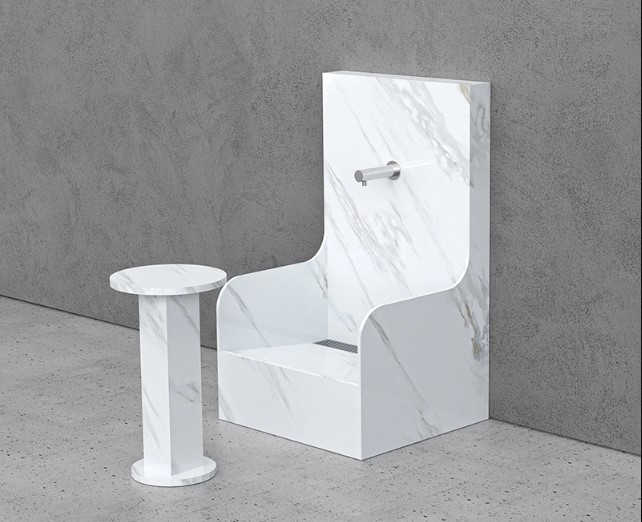
Adding a dedicated wudu washing area does not always require a complete bathroom renovation. Many homeowners can adapt an existing bathroom by using an available wall, adjusting the plumbing, or replacing a standard fixture with one designed for ablution. The right approach depends on the room dimensions, existing water connections, and the amount of space needed for comfortable washing.
A well-planned Bathroom Wudu basin can fit into an existing layout without requiring major changes to the walls, flooring, or other bathroom fixtures. The key is to assess what the current bathroom already provides and identify the smallest practical modifications needed to support daily wudu.
Assess Your Existing Bathroom Before Making Changes
Start by examining the current bathroom layout. Identify the position of the toilet, shower, standard sink, water supply lines, and floor drains. These details help determine where a dedicated wudu basin can fit without interfering with existing facilities.
Measure the available wall and floor space before looking at products. Pay attention to door openings and the distance between fixtures, as a basin that looks compact in a product image may take up more room once installed.
Identify An Unused Wall Or Corner
An empty wall near the existing plumbing may offer the easiest installation location. Using this space can reduce the amount of new pipework required.
Corners are another option in bathrooms with limited floor space. A compact basin may fit into an unused corner, provided users have enough room to stand and wash their feet comfortably.
Decide Whether To Keep The Existing Sink
You do not necessarily need to remove your current bathroom sink. Keeping it may be more practical when several household members use the bathroom for different purposes.
A separate wudu basin can sit beside the existing vanity or along another suitable wall. In smaller bathrooms, replacing the standard sink with a dual-purpose design may provide a better use of the available space.
Choose A Wudu Basin That Fits The Available Space
Basin selection is one of the most important decisions in a small renovation. A model that is too large may block movement, while one that is too shallow or narrow may make foot washing uncomfortable.
Compare the product’s width, depth, height, and mounting requirements with your bathroom measurements. Also check how much space remains in front of the basin once it is installed.
Wall-Mounted Wudu Basins
Wall-mounted designs are useful when homeowners want to preserve floor space. They leave the area underneath open and can make a compact bathroom easier to clean.
Before choosing this option, check the wall construction and mounting requirements. The wall must provide adequate support, especially when the basin will receive frequent daily use.
Compact And Corner Designs
Compact basins suit bathrooms where a full-sized washing station would take up too much room. Corner models may also make use of areas that standard vanity units cannot occupy.
However, size should not be the only consideration. The basin needs a suitable shape and depth for comfortable foot washing, with enough clearance around the front and sides.
Use Existing Plumbing Where Possible
Keeping the new basin close to existing water supply and drainage connections can reduce renovation work. It may also help avoid opening large sections of the wall or floor.
A plumber should inspect the current pipework before installation. The existing connections may need adjustments to match the new basin’s height, faucet position, and drainage outlet.
Connect To The Existing Water Supply
The new basin may share a nearby water supply line with the existing bathroom fixtures, depending on pipe capacity and local plumbing requirements. A plumber can confirm whether the current arrangement can support another fixture without reducing water pressure.
The faucet position also needs attention. It should direct water into the basin rather than towards the user or the surrounding floor.
Plan The Wastewater Connection
Drainage is just as important as the water supply. The basin needs a suitable waste connection that allows water to leave without leaks or slow drainage.
A plumber should check the pipe route and required slope before work begins. Avoid improvised connections that may cause blockages or make future repairs difficult.
Manage Water Splash Without Replacing The Flooring
One concern when adding a wudu basin is water spreading across the existing bathroom floor. This can make the room slippery and may affect nearby cabinets or fixtures.
A basin with suitable depth and an appropriate faucet position can help control splashing. The surrounding wall may also benefit from a water-resistant panel or tiled surface.
Check The Existing Floor Slope
Bathrooms usually have some provision for directing water towards a drain. However, the floor slope may not work equally well for a newly installed washing position.
Check whether water flows towards the existing drain or collects near the basin. Small adjustments may be possible without replacing the entire floor, depending on the condition and construction of the bathroom.
Add Localized Water Protection
You may not need new tiles throughout the room. A water-resistant wall section behind the basin can protect the area most likely to receive splashes.
Sealed joints around the basin and suitable waterproofing near plumbing connections also help protect the surrounding structure. A qualified installer should confirm which materials are suitable for the existing bathroom surfaces.
Keep The Existing Bathroom Fixtures In Place
A small renovation becomes more manageable when the toilet, shower, and vanity remain where they are. Moving these fixtures can involve additional plumbing, wall repairs, flooring work, and higher labor costs.
Instead, focus on fitting the new basin into an area that does not interrupt the current layout. This approach works particularly well when the bathroom already has an unused section of wall.
If the room feels crowded, consider a slimmer vanity or wall-mounted storage rather than relocating major fixtures. These smaller adjustments may create enough room for the new washing station.
Select Materials That Match Your Bathroom
A new basin should work with the existing bathroom finishes. Its material, color, and surface should suit the room without requiring a complete redesign.
Ceramic is a common choice because it has a smooth surface and is relatively easy to clean. Solid surface materials offer more flexibility in shape and may suit homeowners looking for a specific basin design.
When comparing options, consider:
- Resistance to regular water exposure.
- Ease of cleaning around edges and joints.
- Surface durability.
- Compatibility with existing fixtures.
- Availability of replacement parts.
The material should also suit the cleaning products used in the household. Following the manufacturer’s care instructions helps maintain the basin’s finish.
Consider Privacy And Comfortable Use
The new washing area should provide enough privacy for household members and visitors. Its position should not expose users unnecessarily to the entrance or other parts of the bathroom.
A small partition or carefully placed screen may help separate the wudu area from the toilet or shower. However, it should not make the room difficult to move around or clean.
Comfort also depends on basin height and the available standing space. Users should be able to wash their feet without leaning too far or placing themselves in an unstable position.
Add Practical Features Without Overcomplicating The Design
A few carefully selected additions can make the new washing area more convenient. There is no need to fill the bathroom with extra fittings that take up valuable space.
Consider features such as:
- A handheld faucet or suitable spout for controlled washing.
- A small shelf for personal items.
- Hooks for towels or clothing.
- A non-slip mat placed where it will not block drainage.
- A mirror or suitable lighting near the basin.
Keep accessories away from direct water flow and avoid placing storage where it reduces standing clearance.
What Does A Small Wudu Basin Installation Involve?
The amount of work depends on the chosen location and the condition of the existing bathroom. A straightforward installation may involve mounting the basin, connecting the faucet, adjusting nearby pipework, and sealing the surrounding surfaces.
More involved projects may require changes to drainage or additional waterproofing. The installer should explain these requirements before work starts so homeowners understand the expected cost and disruption.
Basic Installation Steps
A typical installation may follow this sequence:
- Measure the bathroom and confirm the basin position.
- Check the wall structure and existing plumbing connections.
- Mark the mounting points and pipe locations.
- Prepare the water supply and drainage connections.
- Secure the basin according to the manufacturer’s instructions.
- Connect the faucet and waste outlet.
- Seal the joints and test for leaks.
- Check water flow and drainage during use.
A qualified plumber should handle water and drainage connections. Wall-mounted basins may also require professional installation to ensure the supporting structure can carry the load.
Common Mistakes To Avoid During Installation
A small addition can create problems when homeowners focus only on fitting the basin. The surrounding space and plumbing need equal attention.
Avoid these common mistakes:
- Buying a basin before measuring the available space.
- Choosing a design that leaves insufficient room for foot washing.
- Connecting the new fixture without checking pipe capacity.
- Ignoring the existing floor slope.
- Using unsuitable sealants around wet areas.
- Blocking access to plumbing connections.
- Placing accessories where they collect water or obstruct movement.
Planning these details in advance can prevent unnecessary repair work after installation.
When Is A Larger Bathroom Renovation Necessary?
Most bathrooms can accommodate some form of wudu basin without a complete redesign. However, a larger renovation may be necessary when the room has serious drainage problems, damaged waterproofing, insufficient plumbing capacity, or no suitable installation space.
A bathroom with an unsuitable floor layout may also need changes to improve water movement and user safety. In these cases, a professional inspection can help determine whether localized repairs are enough or more extensive work is required.
Manufacturers such as kingkonree offer different basin options that homeowners and designers can compare when planning an updated washing area. The final choice should match the bathroom’s measurements, installation conditions, and everyday requirements.
Conclusion
Adding a wudu basin does not automatically mean removing existing bathroom fixtures or replacing the entire interior. Homeowners can often use an unused wall, adapt existing plumbing, and select a compact or wall-mounted design to create a dedicated washing area.
The most important steps are accurate measurements, suitable basin selection, proper drainage, and professional installation. By focusing on these details, you can make room for comfortable daily ablution while keeping most of your existing bathroom intact.
