Architects and interior designers regularly work with materials that must satisfy both creative and practical requirements. From residential kitchens and luxury bathrooms to hotel reception areas and commercial workspaces, every interior project involves decisions about appearance, dimensions, functionality, maintenance, and installation. Solid surface materials have become a useful option because they offer flexibility in design, a wide range of finishes, and the ability to create customized components for different environments.
Manufacturers play an important role in helping design professionals turn their concepts into practical interior solutions. They provide material options, technical information, customized products, samples, and production support throughout the project process. Working with an experienced Solid Surface Manufacturer can help architects and designers identify suitable materials, evaluate design possibilities, and coordinate product specifications with construction requirements.
1. Offering a Wide Range of Design Options
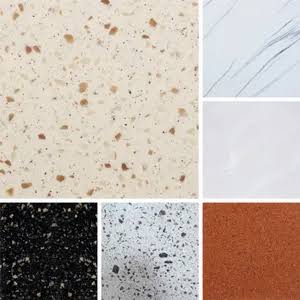
One of the main requirements of architects and interior designers is access to materials that support different visual concepts. Solid surface products are available in various colors, patterns, textures, and finishes, allowing designers to coordinate surfaces with different interior styles.
Manufacturers may offer collections that include:
- Plain white and neutral colors
- Natural stone-inspired patterns
- Speckled and terrazzo-style designs
- Dark and contemporary shades
- Custom color combinations
- Matte, satin, and polished finishes
These choices help designers maintain a consistent appearance across countertops, vanity tops, reception desks, wall panels, and decorative furniture.
A broad product selection also makes it easier to adapt material choices to residential, hospitality, retail, and corporate environments.
2. Supporting Customized Interior Designs
Architectural concepts do not always fit standard product dimensions or shapes. Designers may require curved counters, unusual edge profiles, integrated basins, or surfaces that follow specific architectural details.
Solid surface manufacturers can support these requirements through customized production and fabrication options.
Depending on their technical capabilities, they may provide:
- Non-standard sheet dimensions
- Customized thicknesses
- Special colors and patterns
- Curved surface components
- Integrated sink designs
- Custom countertop shapes
- Decorative wall elements
Customization usually involves reviewing design drawings, checking technical feasibility, preparing samples, and confirming production specifications.
Early communication allows manufacturers to identify possible limitations and recommend adjustments before the project reaches the manufacturing stage.
3. Providing Material Samples for Design Approval
Physical samples are valuable tools for architects and interior designers because digital images cannot always represent the exact appearance of a material.
Lighting conditions, surrounding colors, surface texture, and finish characteristics can influence how a product looks in an actual interior space.
Manufacturers can provide samples that allow design professionals to evaluate:
- Actual color and pattern
- Surface texture
- Finish characteristics
- Visual compatibility with other materials
- Differences between product options
Samples can be compared with flooring, cabinetry, wall finishes, metal fittings, and decorative elements.
For large projects, approving a physical reference sample before bulk production can also help maintain visual consistency across different areas.
4. Helping Designers Select Suitable Materials
Different interior applications have different performance requirements. A residential vanity top may have different usage conditions from a reception counter in a busy commercial building.
Manufacturers can help design professionals compare product specifications and select materials that suit the intended environment.
Important selection considerations include:
Application: Determine whether the material will be used for countertops, basins, wall panels, or furniture components.
Material composition: Review whether the product uses an acrylic-based, polyester-based, or blended formulation.
Thickness: Select suitable dimensions according to the product design and installation requirements.
Surface finish: Consider the appearance, cleaning requirements, and expected usage.
Performance: Review relevant technical information about chemical resistance, water absorption, and mechanical characteristics.
This guidance helps designers avoid choosing products based solely on appearance.
5. Supporting Residential Interior Projects
Residential projects often require materials that combine design flexibility with practical everyday use.
Solid surface manufacturers can supply products for several areas of a home, including kitchens, bathrooms, utility spaces, and decorative furniture.
Common residential applications include:
- Kitchen countertops and islands
- Bathroom vanity tops
- Integrated washbasins
- Decorative wall panels
- Laundry room surfaces
- Customized furniture components
For kitchen projects, designers may focus on countertop dimensions, edge details, sink integration, and coordination with cabinetry.
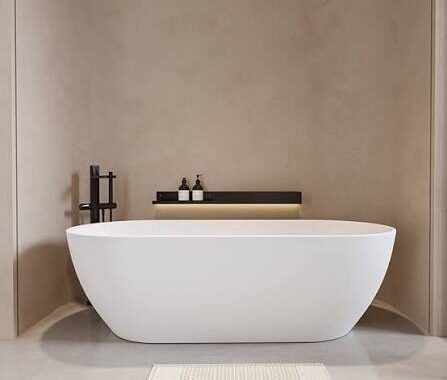
Bathroom designs may require molded basins, customized vanity shapes, and coordinated surface colors.
Manufacturers help translate these requirements into product specifications that can be reviewed by fabricators and installation contractors.
6. Meeting the Requirements of Hospitality Interiors
Hotels, restaurants, resorts, and other hospitality facilities often require distinctive interiors that maintain a consistent design throughout the property.
Architects and interior designers may specify solid surface materials for reception desks, guestroom vanities, restaurant counters, bar tops, and public washrooms.
Manufacturers can support these projects by providing coordinated product collections and customized components.
Important hospitality requirements may include:
- Consistent colors across multiple spaces
- Customized reception counters
- Practical cleaning and maintenance
- Suitable finishes for frequent use
- Coordinated bathroom components
- Reliable production and delivery schedules
For projects involving many rooms or locations, manufacturers should also explain how they manage repeat orders and color consistency between production batches.
7. Providing Solutions for Commercial and Office Interiors
Commercial environments frequently require surfaces that combine professional appearance with functional design.
Office reception areas, meeting rooms, collaborative workspaces, retail stores, and corporate facilities may use solid surface materials for counters, workstations, display units, and decorative elements.
Manufacturers can help designers coordinate materials with brand colors, architectural themes, and furniture specifications.
Customized components may include curved reception desks, integrated storage counters, display surfaces, and coordinated wall features.
For high-traffic spaces, designers should review relevant performance data and maintenance recommendations before specifying a particular product.
8. Offering Technical Drawings and Product Documentation
Architects and interior designers need accurate product information when preparing drawings, specifications, and construction documents.
Manufacturers can support this process by providing technical documentation that explains product dimensions, material characteristics, and installation requirements.
Useful documents include:
| Document | How it supports design professionals |
|---|---|
| Technical data sheets | Provide product specifications and characteristics |
| Color catalogues | Help select suitable colors and patterns |
| Physical samples | Support material and finish approval |
| Dimension specifications | Assist with design and fabrication planning |
| Installation guidelines | Explain fitting and handling requirements |
| Cleaning instructions | Help develop maintenance plans |
| Test reports | Provide evidence of selected performance properties |
Accurate documentation helps prevent misunderstandings between designers, manufacturers, fabricators, and contractors.
9. Supporting Seamless-Looking Design Concepts
Solid surface materials are often selected for projects that require visually continuous surfaces.
With appropriate fabrication techniques, individual components can be joined to create seams that are less visually prominent than those found in some other surface materials.
This characteristic can be useful for long countertops, reception desks, integrated basins, and customized furniture.
Manufacturers can help designers understand the possibilities and limitations of seam placement, edge design, and component fabrication.
However, achieving a high-quality finished appearance depends on suitable adhesives, skilled workmanship, correct surface preparation, and professional installation.
Designers should coordinate these details with fabricators during the planning stage.
10. Helping Realize Curved and Complex Architectural Forms
Architects sometimes incorporate rounded counters, curved wall features, sculptural furniture, and other non-standard shapes into their designs.
Certain solid surface formulations, particularly suitable acrylic-based products, can be thermoformed under controlled conditions to produce curved components.
Manufacturers may support these designs by evaluating:
- Suitable material formulations
- Required thicknesses
- Minimum bending radii
- Heating and forming conditions
- Mold requirements
- Structural support
- Finishing methods
Not every solid surface product is suitable for every forming process. Designers should confirm technical limitations before finalizing complex shapes.
Early consultation can help determine whether a design is practical to manufacture within the project’s budget and schedule.
11. Maintaining Product Quality and Design Consistency
Design professionals need materials that match approved specifications throughout a project.
Color differences, dimensional variations, and surface defects can affect the appearance of completed interiors, particularly when multiple components are installed together.
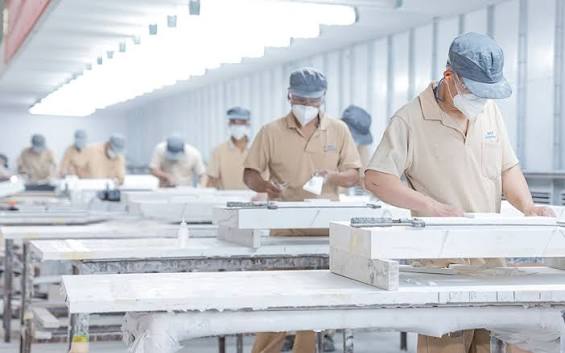
Manufacturers help maintain consistency through structured production and inspection procedures.
Quality management may include:
- Checking incoming raw materials.
- Controlling ingredient measurements.
- Monitoring mixing and curing conditions.
- Measuring sheet dimensions and thickness.
- Evaluating surface appearance.
- Comparing colors with approved references.
- Inspecting finished products before packaging.
For large developments, designers and project managers should confirm how manufacturers handle production batches, sample approvals, and future replacement orders.
12. Supporting Sustainable Material Selection
Sustainability has become an important consideration in many architectural and interior design projects.
Design professionals may need to evaluate material sourcing, production waste, maintenance requirements, and the expected service life of specified products.
Manufacturers can support this process by providing relevant information about their materials and production practices.
Areas worth examining include:
- Raw material sourcing
- Manufacturing waste management
- Energy efficiency initiatives
- Product maintenance requirements
- Recycled content, where applicable
- Environmental product documentation
- Packaging materials
Environmental claims should be supported by suitable evidence. Designers should request relevant declarations or certification documents instead of assuming that a product is sustainable simply because it is engineered or marketed as environmentally responsible.
13. Helping Control Design and Project Costs
Design professionals must often balance creative expectations with project budgets.
Solid surface manufacturers can assist by explaining the cost differences between standard products, customized designs, special finishes, and molded components.
Several factors influence material and production expenses:
- Resin and mineral filler composition
- Sheet thickness and dimensions
- Color and pattern complexity
- Customization requirements
- Mold and tooling expenses
- Production quantity
- Packaging and transportation
- Fabrication and installation work
Manufacturers may recommend alternative specifications that preserve the intended appearance while simplifying production.
For example, selecting a standard color or sheet dimension may reduce costs when a custom option is not essential.
Comparing complete project costs is more useful than considering material prices alone.
14. Coordinating with Fabricators and Contractors
A successful interior project depends on cooperation between the design team and the people responsible for manufacturing, fabrication, and installation.
Manufacturers can help coordinate technical requirements by sharing product specifications and recommended fabrication procedures.
This support may cover:
- Cutting and shaping methods
- Seam preparation
- Suitable adhesive systems
- Edge finishing
- Thermoforming guidance
- Handling precautions
- Installation support requirements
Architects and designers should ensure that these details are communicated to fabricators before work begins.
Clear coordination reduces the risk of incorrect material handling, design conflicts, and installation problems.
15. Supporting Project Scheduling and Material Availability
Construction and renovation projects usually follow detailed schedules. Material delays can affect several connected activities, including fabrication, installation, and final project completion.
Manufacturers can help design teams plan procurement by communicating production lead times, sample preparation periods, and expected delivery schedules.
For customized projects, the process may involve:
- Initial design consultation
- Technical review
- Material and color selection
- Sample approval
- Final quantity confirmation
- Production scheduling
- Quality inspection
- Packaging and delivery
Ordering materials early is especially important when projects require special colors, complex molded components, or large quantities.
16. Providing After-Sales and Maintenance Guidance
Architects and interior designers also need to consider how specified materials will be maintained after a project is completed.
Manufacturers can provide cleaning recommendations, maintenance instructions, repair guidance, and warranty information.
This information can be included in project handover documentation so that property owners and facility managers understand how to care for installed surfaces.
Support may include:
- Recommended cleaning products
- Instructions for removing common stains
- Guidance for addressing minor scratches
- Surface refinishing recommendations
- Warranty terms and conditions
- Replacement product information
Maintenance procedures should always follow the specific product manufacturer’s instructions because different formulations and finishes may have different requirements.
17. How Architects and Designers Can Choose the Right Manufacturing Partner
Selecting a manufacturing partner requires an assessment of both product capabilities and the level of support available throughout the project.
Architects and interior designers should consider the following factors:
Product variety: Does the manufacturer offer suitable colors, patterns, finishes, and product categories?
Customization capabilities: Can it produce the required dimensions, shapes, and integrated components?
Technical knowledge: Can its team explain material properties and fabrication limitations?
Quality management: Are production inspections and relevant test records available?
Sample support: Can the manufacturer provide physical samples for design approval?
Production capacity: Can it handle the required quantity within the project schedule?
Communication: Does it respond clearly to drawings, specifications, and technical questions?
After-sales support: Are maintenance guidance and warranty information provided?
A supplier that combines suitable production capabilities with effective technical communication can make the material selection and project coordination process more efficient.
Conclusion
Solid surface manufacturers support architects and interior designers by providing versatile material options, customized products, technical documentation, samples, and production guidance. Their involvement can help transform design concepts into practical components for residential kitchens, bathrooms, hotels, offices, retail environments, and other commercial interiors.
Successful collaboration depends on understanding project requirements early and maintaining communication throughout material selection, customization, manufacturing, and installation. By evaluating a manufacturer’s design flexibility, technical expertise, quality procedures, and project support services, architects and designers can make more informed material decisions and achieve interior solutions that balance appearance, functionality, and practical performance.