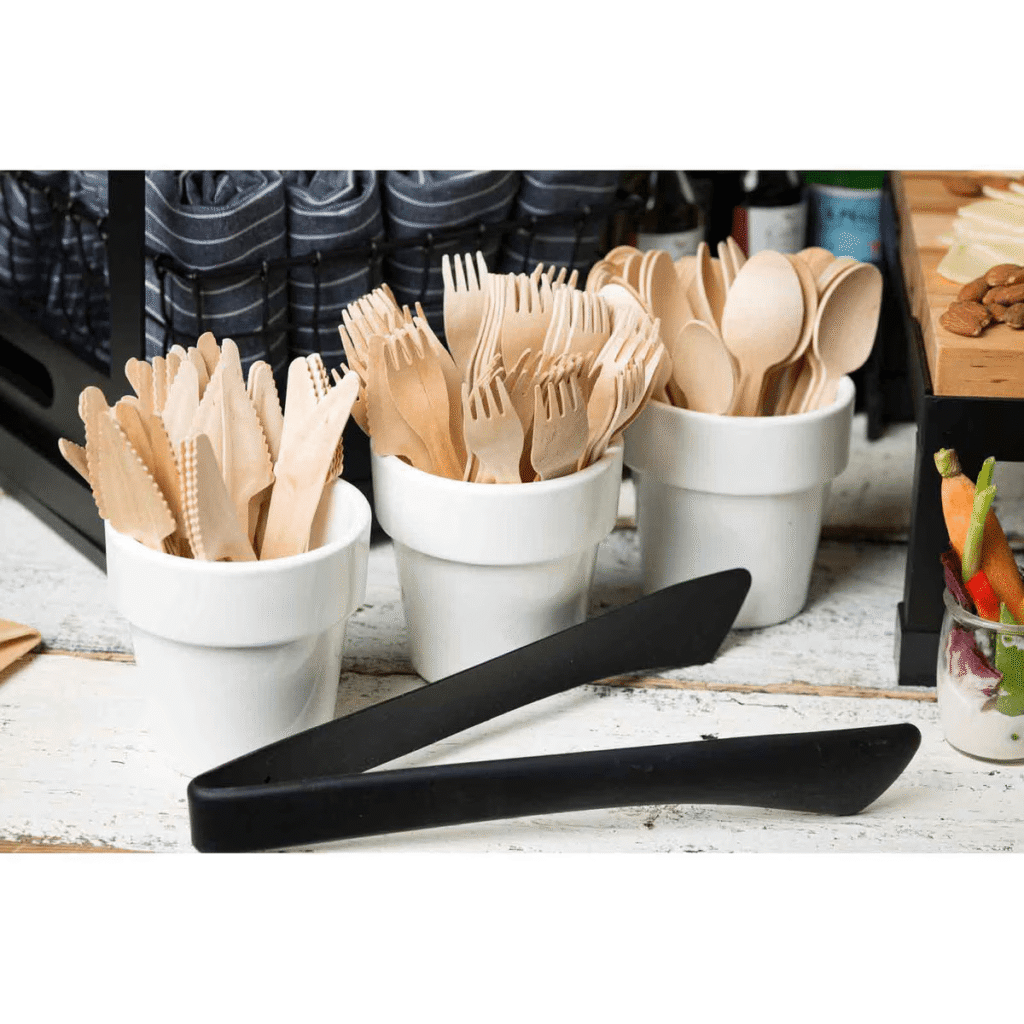
Restaurants and catering businesses depend on efficient service, reliable supplies, and products that meet customer expectations. From everyday dining to large events, disposable cutlery plays an important role in making food service convenient and organized. Forks, spoons, knives, and complete cutlery sets help businesses serve meals without the additional handling and cleaning associated with reusable utensils.
To meet these operational needs, Disposable Cutlery Manufacturers provide a range of products designed for different food service environments. Through consistent production, bulk order support, material options, and customized packaging, manufacturers help restaurants and catering companies manage their daily requirements. Their role extends beyond producing utensils to supporting purchasing efficiency and dependable supply.
Meeting the Daily Needs of Restaurants
Restaurants require disposable cutlery for various service situations, including takeaway orders, outdoor dining, food delivery, and casual dining arrangements. Having suitable utensils readily available helps staff prepare orders efficiently and provide customers with a convenient dining experience.
Manufacturers support these requirements by producing different types of disposable forks, spoons, and knives. Restaurants can select products based on their menus, portion sizes, and service styles.
For example, a restaurant serving full meals may need stronger utensils, while a café offering desserts and snacks may require smaller spoons and lightweight cutlery. Access to different product options helps businesses choose practical solutions for their customers.
Supporting Large-Scale Catering Operations
Catering companies often serve large groups at weddings, corporate functions, conferences, private parties, and outdoor events. These operations require substantial quantities of disposable cutlery within specific timeframes.
Manufacturers help catering businesses meet these requirements through bulk production and order planning. They can supply large quantities of utensils and, depending on their capabilities, offer coordinated cutlery sets for different event requirements.
Reliable bulk supply reduces the need for frequent purchasing and helps catering teams prepare their inventory before scheduled events. This is particularly useful when demand changes according to guest numbers or seasonal activity.
Providing Different Material and Product Options
Restaurants and catering companies have different preferences regarding disposable cutlery materials. Some prioritize affordability, while others focus on appearance, durability, or environmental considerations.
Manufacturers may offer products made from materials such as:
- Plastic: Lightweight and versatile, with different designs and performance characteristics.
- Wood: Provides a natural appearance and is often considered by businesses exploring alternatives to conventional plastic.
- Paper-based materials: Used in selected disposable food service applications, depending on product design.
- Other alternative materials: May include plant-based options developed for particular performance and sustainability requirements.
Each material has its own advantages and limitations. Businesses should evaluate product strength, food-contact safety, cost, and disposal conditions before making a selection.
Helping Businesses Maintain Consistent Product Quality
Product quality has a direct influence on customer satisfaction. Disposable cutlery should be comfortable to handle and sufficiently durable for its intended use. Utensils that bend, break, or have rough edges can create an unpleasant dining experience.
Professional manufacturers use material inspections, production controls, and product testing to maintain consistent standards. Quality checks may include evaluating dimensions, surface finishing, strength, and visible defects.
For restaurants and catering companies, consistent quality is especially important when purchasing large quantities. Receiving products with similar specifications across multiple orders makes inventory management easier and supports a reliable customer experience.
Offering Cost-Effective Bulk Purchasing Solutions
Disposable cutlery is a recurring expense for food service businesses. Restaurants may use large quantities every day, while catering companies often need substantial orders for individual events.
Manufacturers can support cost management by offering bulk purchasing arrangements and different product specifications. Buying larger quantities may provide access to volume-based pricing, depending on order size and commercial terms.
However, businesses should consider more than the unit price when comparing products. Durability, packaging, shipping expenses, minimum order quantities, and overall product quality all affect purchasing value.
Selecting suitable products at competitive prices helps businesses manage operating expenses without compromising service standards.
Supporting Customized Packaging and Branding
Presentation is important in the restaurant and catering industries. Packaging can influence how customers perceive a food business, particularly when meals are delivered or served at special events.
Depending on their production capabilities, manufacturers may offer individual wrapping, coordinated cutlery sets, different package sizes, or customized packaging options.
Restaurants can use suitable packaging to organize takeaway orders and maintain a consistent presentation. Catering businesses may prefer complete cutlery sets that simplify distribution and preparation at large events.
Customization requirements should be discussed in advance, including design specifications, minimum order quantities, production timelines, and additional costs.
Improving Hygiene and Service Convenience
Disposable cutlery can support convenient food service by providing individually prepared utensils for takeaway orders, outdoor events, and other settings where reusable tableware may be difficult to manage.
Appropriate packaging and hygienic handling help protect products during storage and distribution. Manufacturers contribute by maintaining suitable production conditions and using packaging formats designed to protect finished utensils.
Businesses must also follow proper storage and handling procedures after receiving their orders. Keeping cutlery in clean, dry conditions and protecting it from contamination helps maintain product quality until use.
Helping Businesses Manage Inventory and Supply
A reliable supply of disposable cutlery is essential for uninterrupted food service. Running out of forks, spoons, or knives can create difficulties for restaurant staff and catering teams, particularly during busy periods.
Manufacturers support inventory planning by handling repeat orders and providing information about production capacity and delivery schedules. Businesses can use this information to estimate purchasing requirements and arrange replenishment before existing stock runs low.
Clear communication about lead times, minimum quantities, and order status also helps reduce uncertainty. Establishing regular purchasing arrangements can make supply management more predictable.
Responding to Sustainability Requirements
Environmental awareness is influencing purchasing decisions across the food service industry. Many restaurants and catering companies are exploring alternative disposable products that better align with their sustainability goals.
Manufacturers may respond by offering wooden, paper-based, or other alternative-material cutlery. They may also review production processes to reduce material waste and improve resource efficiency.
However, businesses should evaluate environmental claims carefully. Products described as biodegradable or compostable may require specific conditions and suitable waste-processing facilities. Relevant certifications and local regulations should be considered before selecting these products.
Choosing materials based on actual performance and disposal options helps businesses make more responsible purchasing decisions.
Providing Flexibility for Changing Business Demands
Restaurant and catering requirements can change over time. A restaurant may expand its takeaway service, introduce new menu items, or open additional locations. A catering company may begin handling larger events or serving different types of customers.
Manufacturers that offer a broad product range and flexible order arrangements can help businesses respond to these changes.
Regular communication about future demand, product specifications, and purchasing schedules allows both parties to plan more effectively. A dependable manufacturing relationship can therefore support business growth and reduce procurement challenges.
Choosing the Right Manufacturing Partner
The benefits of working with a manufacturer depend on its ability to meet specific business requirements. Restaurants and catering companies should evaluate potential partners carefully before placing large orders.
Important factors include:
- Product quality: Check durability, finishing, and consistency through samples.
- Product variety: Confirm that suitable cutlery types, materials, and sizes are available.
- Production capacity: Ensure the manufacturer can handle current and expected order volumes.
- Pricing: Compare complete purchasing costs rather than unit prices alone.
- Delivery reliability: Review production lead times and order fulfillment arrangements.
- Customer support: Assess communication and the ability to address product or delivery concerns.
- Compliance: Request relevant information about food-contact safety and applicable standards.
Evaluating these factors helps businesses identify a manufacturer that can provide dependable products and support their ongoing operations.
Conclusion
Disposable cutlery manufacturers play an important role in supporting restaurants and catering businesses through reliable products, bulk order capabilities, material variety, customized packaging, and consistent quality. Their manufacturing and supply services help food service operators manage daily requirements, prepare for large events, and maintain convenient customer service.
By choosing a manufacturing partner that understands their operational needs, businesses can improve purchasing efficiency and maintain a dependable supply of essential utensils. Careful attention to product performance, pricing, delivery, and sustainability also helps create a stronger foundation for long-term food service success.