The global oil painting industry continues to evolve as customer preferences, manufacturing methods, and international art markets change. Traditional oil painting remains valued for its rich colors, distinctive textures, and handcrafted character. However, manufacturers are increasingly exploring new technologies, materials, production strategies, and business models to meet modern market demands.
A professional oil painting factory must balance artistic craftsmanship with efficient production and changing customer expectations. From digital design tools to sustainable materials and customized artwork, several developments are influencing how manufacturers create and distribute oil paintings. Understanding these trends can help businesses prepare for new opportunities in the global decorative art market.
1. Growing Demand for Customized Oil Paintings
Personalization is becoming an important factor in the decorative art market. Customers increasingly look for artwork that reflects their individual tastes, interior design preferences, and personal experiences.
Instead of choosing only standard designs, buyers may request specific subjects, dimensions, colors, and artistic styles.
Popular customization options include:
- Family and individual portraits.
- Personalized landscape paintings.
- Abstract artwork with selected color palettes.
- Floral and botanical compositions.
- Cityscape and architectural paintings.
- Large-format paintings for commercial interiors.
This trend encourages manufacturers to develop flexible production systems that can accommodate different designs and customer requirements.
2. Integration of Artificial Intelligence in Artwork Development
Artificial intelligence is creating new possibilities for visual research and preliminary design development.
AI-powered tools can help designers explore different compositions, generate visual references, and experiment with artistic concepts. These tools may also help customers communicate ideas when they do not have professional design experience.
For example, a customer requesting a customized landscape painting may use an AI-generated reference to explain the preferred scenery, lighting, and color arrangement.
However, generated concepts are not substitutes for traditional artistic skill. Artists still need to interpret references, understand painting techniques, and make decisions about composition, texture, and paint application.
The future is likely to involve greater cooperation between digital design tools and human creativity.
3. Expansion of Digital Design and Visualization Tools
Digital visualization is becoming increasingly useful during the planning and approval stages of custom painting production.
Designers can create preliminary layouts that show how an artwork might look with different dimensions, colors, and compositions.
These previews help customers evaluate their choices before physical production begins.
Digital visualization can also support interior designers who need to coordinate paintings with furniture, wall colors, lighting, and overall room layouts.
As visualization software improves, customers may gain more opportunities to review artwork concepts remotely and request adjustments before approving an order.
4. Greater Focus on Sustainable Materials
Environmental considerations are becoming more relevant across manufacturing industries, including decorative art production.
Oil painting manufacturers may explore ways to reduce waste, improve resource efficiency, and select materials with more responsible sourcing practices.
Potential areas of development include:
- More efficient canvas cutting methods.
- Responsible sourcing of canvas materials.
- Reduced packaging waste.
- Better management of unused paints and solvents.
- Energy-efficient production facilities.
- Recyclable or reusable packaging options.
The suitability of alternative materials depends on their performance, compatibility, and long-term stability. Manufacturers must evaluate these factors carefully before changing established production methods.
5. Improvements in Oil Paint Formulations
Material innovation continues to influence the quality and handling characteristics of oil paints.
Artists and manufacturers have access to different pigment formulations, drying oils, mediums, and finishing products. These materials can offer different levels of transparency, consistency, drying behavior, and color performance.
Future material development may focus on improving handling properties, expanding color options, and supporting more consistent results.
However, material selection should always consider the intended painting technique and compatibility between different layers.
The long-term appearance of an oil painting depends on more than the paint alone. Canvas preparation, application methods, drying conditions, and finishing procedures also play important roles.
6. Automation in Supporting Production Processes
Traditional oil painting depends on human skill, but certain supporting manufacturing tasks can benefit from automation.
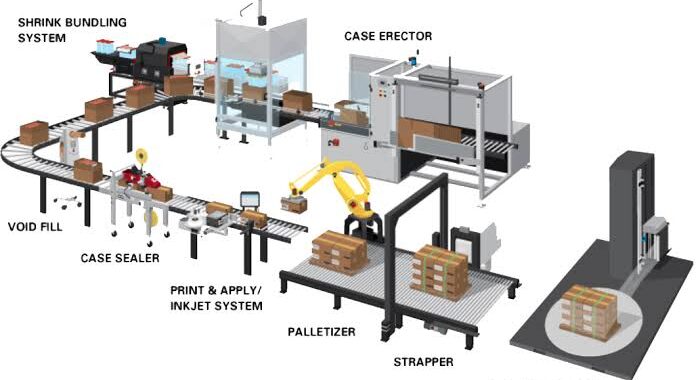
Equipment can assist with repetitive activities such as canvas cutting, frame preparation, material handling, labeling, and packaging.
Automating these tasks may help manufacturers:
- Improve measurement accuracy.
- Reduce repetitive manual work.
- Organize material preparation.
- Manage larger order volumes.
- Improve production scheduling.
- Allocate more time to artistic activities.
The use of automation will likely continue to grow in areas where it improves efficiency without compromising the handmade character of the artwork.
7. More Advanced Quality Control Systems
Quality management is essential for manufacturers producing artwork for international customers, retailers, and commercial projects.
Modern inspection methods can combine direct visual assessment with digital photography, measurement tools, and electronic production records.
These systems help manufacturers document product specifications and identify visible inconsistencies.
Future quality control may involve more detailed digital records for each order, including canvas dimensions, approved design references, inspection results, and finishing requirements.
Although technology can improve documentation, experienced inspectors and artists will remain important for evaluating texture, brushwork, color balance, and other artistic qualities.
8. Increasing Demand for Large-Scale Decorative Artwork
Large paintings are becoming an important option for decorating spacious residential and commercial environments.
Hotels, restaurants, offices, galleries, and property developers often require artwork that complements their interior design concepts.
Large-format oil paintings can create visual focal points and help establish a particular atmosphere within a space.
This demand may encourage manufacturers to improve their ability to produce oversized canvases, manage complex compositions, and package large artwork safely.
Large projects also require careful planning because dimensions, frame construction, transportation, and installation can influence the final result.
9. Expansion of Online Sales and Global Distribution
Digital commerce has changed how customers discover and purchase decorative artwork.
Manufacturers can use websites, online catalogs, and digital communication platforms to present collections to international buyers.
Online platforms allow customers to explore different painting categories, compare styles, request customized designs, and communicate with suppliers without visiting physical production facilities.
For manufacturers, digital channels can create opportunities to reach retailers, wholesalers, interior designers, and individual customers in different markets.
Clear product descriptions, accurate photographs, customization information, and responsive communication will remain important for building trust in online transactions.
10. Growth of Wholesale and Private Label Opportunities
Wholesale purchasing continues to provide opportunities for businesses that distribute decorative artwork through retail stores, online marketplaces, and commercial projects.
Some buyers also seek private label or customized collections that reflect their own product identity.
Manufacturers may respond by offering services such as:
- Custom artwork collections.
- Coordinated painting sets.
- Different canvas dimensions.
- Selected frame styles.
- Customized packaging.
- Product labeling and documentation.
Private label arrangements require clear agreements about design ownership, product specifications, packaging, and order quantities.
Manufacturers with flexible production capabilities may be better positioned to serve businesses with varied wholesale requirements.
11. Improved Inventory and Production Management
As manufacturers handle more customized and wholesale orders, efficient production planning becomes increasingly important.
Digital management systems can help coordinate materials, artwork assignments, production deadlines, inspection stages, and shipping arrangements.
Inventory software may also provide updated information about canvas supplies, paints, frames, and packaging materials.
These systems can help reduce material shortages and improve the planning of repeat orders.
In the future, more manufacturers may adopt integrated platforms that connect customer orders with purchasing, production, quality management, and logistics.
12. Greater Attention to Artist Skills and Training
Despite technological progress, skilled artists remain central to the oil painting industry.
A painting’s visual character depends on artistic decisions involving composition, color relationships, perspective, texture, and brushwork.
Manufacturers may increasingly invest in artist development to maintain craftsmanship while adapting to new design requirements.
Training may cover:
- Traditional oil painting techniques.
- Color theory and composition.
- Contemporary artistic styles.
- Material handling and canvas preparation.
- Digital reference interpretation.
- Quality standards for commercial artwork.
Combining traditional artistic education with modern production knowledge can help manufacturers maintain quality and develop new creative capabilities.
13. Demand for Diverse Artistic Styles
Global customers have different cultural backgrounds, interior design preferences, and decorative expectations.
This diversity creates demand for a wider range of oil painting styles.
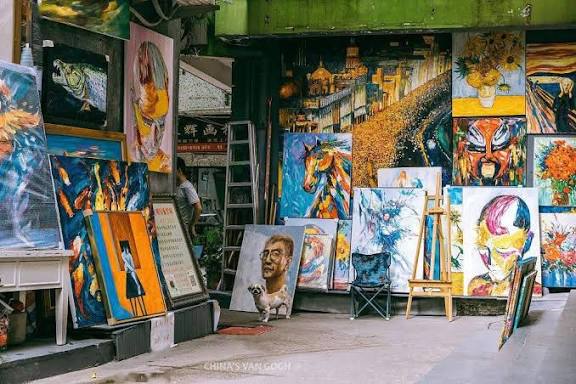
Popular categories include realistic portraits, traditional landscapes, impressionistic scenes, abstract compositions, floral artwork, and contemporary decorative paintings.
Manufacturers may respond by developing broader collections and working with artists who specialize in different techniques.
Offering diverse styles can also help retailers serve customers with different budgets, tastes, and interior requirements.
14. More Efficient Packaging and International Logistics
International distribution presents challenges because oil paintings may be sensitive to pressure, scratches, moisture, and rough handling.
Manufacturers shipping artwork overseas need suitable packaging systems and reliable transportation arrangements.
Future developments may include improved protective materials, better shipment tracking, and more standardized packaging procedures.
Manufacturers may also use digital logistics systems to coordinate dispatch schedules and provide customers with more accurate delivery updates.
Packaging innovation will be particularly important for large framed paintings and bulk orders.
15. Increased Importance of Product Information and Transparency
Customers and commercial buyers increasingly expect clear information about the products they purchase.
Oil painting manufacturers can strengthen communication by providing details about materials, dimensions, painting techniques, framing, and finishing methods.
For customized orders, documented specifications help ensure that both parties understand the expected result.
Transparent communication is particularly important for international wholesale transactions, where customers may not be able to inspect production facilities or artwork in person.
Providing accurate product information can support better purchasing decisions and long-term business relationships.
16. Challenges Facing the Future Oil Painting Industry
Although innovation creates new opportunities, manufacturers must also manage several challenges.
Balancing Technology and Traditional Craftsmanship
Digital tools and automation can improve efficiency, but excessive dependence on standardized processes may reduce the individual character of handmade artwork.
Manufacturers need to identify where technology adds value while preserving artistic quality.
Managing Production Costs
New equipment, software, and material improvements can require substantial investment.
Businesses must evaluate the long-term benefits before adopting expensive systems.
Meeting Changing Customer Expectations
Customer preferences can vary across regions and market segments. Manufacturers need to monitor design trends while maintaining reliable production standards.
Protecting Original Designs
Digital design tools make sharing artwork easier, but they also create concerns about unauthorized copying and intellectual property.
Manufacturers and customers should establish clear agreements regarding the use and ownership of commissioned designs.
17. The Future Outlook for the Global Oil Painting Factory Industry
The future of oil painting manufacturing will likely involve a closer relationship between traditional artistic techniques and modern business technology.
Digital design tools may simplify customization, while improved production systems can support more organized manufacturing. Sustainable material choices, better inventory management, and advanced quality documentation may also become increasingly important.
At the same time, customers will continue to value the texture, individuality, and visual depth associated with handmade oil paintings.
Manufacturers that combine skilled artists, reliable materials, flexible production, and effective customer communication will be better prepared to respond to changing market conditions.
Conclusion
The global oil painting industry is entering a period of continued development shaped by customization, digital technology, material innovation, sustainability, and international e-commerce. These trends are creating new opportunities for manufacturers while also increasing the importance of quality management and artistic expertise.
For businesses such as ARTLAND, understanding these developments can help support better production planning, product development, and customer relationships. The manufacturers most likely to succeed will be those that adopt useful innovations without losing the traditional craftsmanship that makes oil paintings distinctive.
As global demand for personalized and decorative artwork continues to evolve, the combination of artistic skill and modern manufacturing practices will remain an important foundation for the industry’s future.