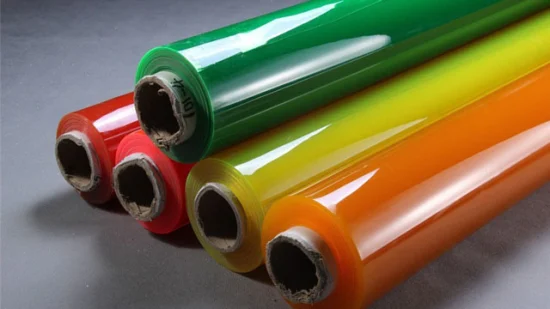
Proper storage and maintenance are essential for preserving the quality and performance of plastic materials. Even when a product is manufactured to meet specific technical standards, unsuitable storage conditions can affect its appearance, flexibility, and usability over time. For businesses that purchase plastic film in large quantities, careful handling helps reduce material waste and maintain consistent production quality.
Whether used in packaging, protective covers, stationery, or industrial applications, Transparent PVC Film requires appropriate storage and handling practices to maintain its intended characteristics. Factors such as temperature, humidity, sunlight exposure, dust, and physical pressure can influence its condition. Following a suitable maintenance routine helps businesses protect their inventory and get reliable results from the material.
1. Store the Film in a Clean and Dry Environment
The storage environment has a direct influence on the condition of PVC film. Excessive moisture, dust, and airborne contaminants can affect the material’s surface and create difficulties during processing.
Choose a clean, dry storage area with adequate ventilation. Keep film rolls and sheets away from areas where water leaks, condensation, or excessive humidity may occur.
A suitable storage environment should include:
- Clean floors and storage surfaces.
- Protection from water and moisture.
- Adequate ventilation.
- Minimal exposure to dust and dirt.
- Sufficient space for safe handling and movement.
Keeping the storage area organized also makes it easier to inspect inventory and identify materials that need attention.
2. Avoid Direct Sunlight and Excessive Heat
Prolonged exposure to direct sunlight and high temperatures may affect the appearance and physical properties of PVC film. Depending on the formulation, excessive heat and ultraviolet exposure can contribute to discoloration, changes in flexibility, or other forms of material deterioration.
Store the film away from windows, outdoor areas, heaters, boilers, and other heat sources.
If the material is supplied in rolls, keep it in its original packaging until it is ready for use. Packaging can provide an additional layer of protection against light, dust, and accidental surface damage.
Always follow the manufacturer’s recommended storage temperature and handling instructions, as different formulations may have different requirements.
3. Keep PVC Film Away from Sharp Objects
Transparent film can develop scratches, cuts, and punctures if it comes into contact with sharp tools or rough surfaces.
These defects may reduce the visual quality of the material and make it unsuitable for applications that require a smooth, clear finish.
To prevent accidental damage:
- Keep cutting tools away from stored rolls.
- Avoid placing sharp-edged materials on top of film.
- Use clean surfaces when unrolling or inspecting sheets.
- Handle roll edges carefully.
- Keep storage areas free from loose metal pieces and debris.
Even minor scratches can become noticeable in transparent packaging and display applications, making careful handling particularly important.
4. Maintain Proper Roll Positioning
How PVC film is positioned during storage can affect its condition. Incorrect stacking or excessive pressure may cause deformation, uneven winding, or damage to the roll edges.
Whenever possible, follow the supplier’s recommended storage orientation. Use suitable racks or supports designed for the roll dimensions and weight.
For rolls stored horizontally, ensure they are properly supported and cannot roll or shift unexpectedly. Avoid placing heavy materials on top of them.
If the supplier recommends vertical storage for a particular product, use an appropriate support system to prevent the rolls from falling or becoming distorted.
5. Protect the Film from Dust and Contamination
Transparent materials are often selected because their appearance matters. Dust, oil, fingerprints, and other contaminants can reduce clarity and create visible imperfections.
Keep the film covered when it is not being used. Original protective packaging is generally a good option if it remains clean and undamaged.
During handling, workers should use clean gloves when necessary, especially when dealing with film intended for display or high-visibility packaging.
It is also helpful to separate PVC film from chemicals, oils, adhesives, and other substances that could transfer onto its surface.
6. Avoid Excessive Stretching and Folding
PVC film is available in different formulations, thicknesses, and flexibility levels. Although some grades are designed to bend or stretch, excessive force can still cause permanent deformation or damage.
When unrolling the material, avoid pulling it too aggressively. Use controlled movements and ensure the film is supported evenly.
For sheet materials, avoid creating sharp folds unless the intended application requires them. Repeated bending in the same area may create creases or affect the surface appearance.
If the film is used in automated production, check the tension settings to ensure the material is not being pulled beyond its suitable operating range.
7. Follow Appropriate Cleaning Procedures
Dust and light surface contamination can sometimes be removed with gentle cleaning. However, the cleaning method should be compatible with the specific PVC formulation.
Before cleaning a large quantity, test the proposed method on a small sample.
General precautions include:
- Use a clean, soft cloth.
- Avoid abrasive pads and rough brushes.
- Do not apply excessive pressure.
- Avoid unapproved solvents and strong chemicals.
- Follow the manufacturer’s cleaning recommendations.
Some cleaning agents may affect the surface finish, transparency, or additives in the film. When the material is intended for a sensitive application, obtain cleaning guidance from the supplier.
8. Monitor Storage Temperature and Humidity
Temperature changes can influence the behavior of flexible PVC film. Excessive heat may soften certain grades, while unsuitable cold conditions may make some formulations less flexible.
Sudden changes in temperature can also contribute to condensation when materials are moved between different environments.
Businesses should aim to maintain stable storage conditions within the supplier’s recommended range.
For large inventories, it may be useful to monitor temperature and humidity regularly. Recording these conditions can help identify environmental problems before they affect substantial quantities of stock.
9. Use a First-In, First-Out Inventory System
Long-term storage does not mean materials should remain unused indefinitely. Businesses need a clear inventory system to ensure older stock is used appropriately.
A first-in, first-out (FIFO) system helps prevent newly delivered material from being used before earlier inventory.
Practical steps include:
- Record the delivery date of each batch.
- Label rolls or packages with batch information.
- Arrange stock so older materials are accessible first.
- Inspect stored film before production use.
- Follow any shelf-life or recommended storage period provided by the manufacturer.
This approach supports better inventory control and reduces the possibility of material being stored longer than recommended.
10. Inspect the Film Before Production
Regular inspection helps identify potential problems before the material enters the manufacturing process.
Before use, check whether the film has developed any noticeable changes during storage.
Important inspection points include:
- Discoloration or yellowing.
- Scratches, cuts, and punctures.
- Unusual odors or surface contamination.
- Creases or deformation.
- Changes in flexibility.
- Uneven winding or damaged roll edges.
If a batch shows unexpected changes, separate it from approved stock and consult the supplier or quality-control team before using it.
For critical applications, inspection may also include checking thickness, transparency, and other technical properties against the original specifications.
11. Handle and Transport Rolls Carefully
Storage practices are only part of material maintenance. PVC film can also be damaged during internal movement and transportation.
Use suitable handling equipment for heavy rolls and avoid dragging them across floors or rough surfaces. Workers should be trained to lift, move, and position materials safely.
During transportation, make sure rolls are secured to prevent movement. Protective packaging should remain intact whenever possible.
Avoid exposing transported material to rain, direct sunlight, excessive heat, or other unsuitable conditions.
Careful handling from delivery to production helps preserve the material’s condition and reduces avoidable damage.
12. Understand the Importance of Formulation and Product Grade
Not all transparent PVC films have identical storage requirements. Their performance depends on factors such as thickness, plasticizer content, stabilizers, additives, and manufacturing methods.
For example, different grades may respond differently to temperature changes, sunlight exposure, and cleaning products.
This is why businesses should not rely entirely on general storage advice. Always review the technical data sheet and manufacturer’s recommendations for the specific product being purchased.
When ordering a new grade, ask the supplier about recommended storage conditions, handling precautions, and any stated shelf-life limitations.
Common Storage Mistakes to Avoid
Some simple mistakes can reduce the quality of stored PVC film and increase production costs.
Avoid the following practices:
Leaving rolls uncovered: This exposes the surface to dust, moisture, and accidental contamination.
Storing materials near heat sources: Excessive temperatures may affect flexibility and appearance.
Stacking rolls incorrectly: Uneven pressure can damage edges or deform the material.
Using unsuitable cleaning chemicals: Certain substances may affect the film’s surface or formulation.
Ignoring inventory dates: Older stock may remain unused for longer than recommended.
Skipping inspections: Damaged or contaminated material may enter production without being noticed.
Conclusion
Maintaining transparent PVC film over the long term requires consistent attention to storage conditions, handling procedures, cleanliness, and inventory management. Protecting the material from excessive heat, sunlight, moisture, dust, and physical damage helps preserve its intended appearance and usability.
Businesses should also inspect stored stock regularly, follow supplier recommendations, and use an organized inventory system. Since different PVC formulations may have different requirements, product-specific technical guidance should always take priority over general storage practices.
With proper care, manufacturers and distributors can reduce material waste, maintain more consistent production quality, and make better use of their PVC film inventory.