Printing technology continues to evolve as businesses adopt smarter systems to improve transaction processing, operational efficiency, and customer service. Retail stores, restaurants, supermarkets, transportation services, and financial institutions increasingly depend on reliable receipt printing solutions. As digital payment methods and automated business processes become more common, manufacturers are developing advanced printing technologies to meet changing commercial requirements.
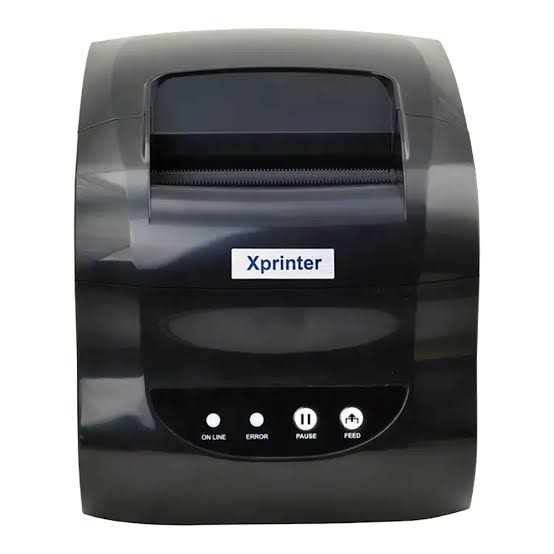
A modern Thermal Receipt Printer uses heat-sensitive printing technology to produce transaction records without traditional ink or toner. Recent developments are improving connectivity, printing performance, energy efficiency, and integration with digital business systems. These innovations are changing how businesses manage receipts while creating opportunities for more flexible and intelligent printing solutions.
1. Improved Printing Speed and Performance
Printing speed remains an important development area in thermal printing technology. Businesses with high transaction volumes need equipment that can generate receipts quickly without compromising readability.
Newer printer designs focus on improved printhead performance, optimized paper-feeding mechanisms, and more efficient internal processing. These improvements help reduce delays during checkout operations.
Faster printing is particularly valuable in supermarkets, restaurants, and retail environments where employees handle numerous transactions throughout the day.
2. Wireless Connectivity and Mobile Printing
Wireless technology is becoming increasingly important in modern business environments. Traditional receipt printers often rely on direct cable connections, while newer models may support Bluetooth and Wi-Fi connectivity.
These features allow compatible printers to communicate with tablets, smartphones, and wireless POS terminals. Businesses can establish more flexible checkout arrangements without depending entirely on fixed computer stations.
Mobile printing is particularly useful for:
- Restaurants offering tableside payment services.
- Retail businesses using mobile checkout counters.
- Delivery services generating transaction records.
- Temporary sales locations and outdoor events.
As wireless communication improves, businesses can expect more flexible printing setups and easier integration with mobile business applications.
3. Cloud-Based POS System Integration
Cloud computing is transforming how businesses manage sales information and transaction records. Modern POS platforms increasingly use cloud-based systems to synchronize business information across multiple locations.
Thermal printers can support these environments through compatible network connections and printing software. This allows businesses to send receipt information from centralized POS applications to connected printing devices.
Cloud-based integration can also simplify software management, transaction reporting, and coordination between different checkout locations. However, successful implementation depends on network reliability, compatible hardware, and appropriate software configuration.
4. Eco-Friendly Thermal Paper and Sustainable Printing
Environmental sustainability is becoming an important consideration in receipt printing. Manufacturers are exploring alternatives to conventional thermal paper to reduce the environmental impact of business operations.
One notable development is the introduction of phenol-free thermal paper. These paper products are designed without certain chemical compounds, including BPA and BPS, while maintaining the printing quality required for commercial applications.
In August 2026, Domtar and Toshiba announced the qualification of phenol-free thermal paper for a Toshiba receipt printer, demonstrating progress toward more sustainable receipt printing solutions. Toshiba+1
Other developments include recyclable thermal paper and linerless printing materials that can help reduce consumable waste.
5. Smart Printers With Remote Management Capabilities
Modern businesses increasingly operate multiple checkout counters and locations. Managing individual printers manually can become time-consuming, particularly for large retail chains.
Smart printer technology is helping simplify equipment management through network connectivity and remote monitoring capabilities.
Depending on the model and software platform, these features may allow businesses to:
- Monitor printer status across multiple locations.
- Identify paper shortages and device errors.
- Manage firmware updates remotely.
- Configure printing settings centrally.
- Identify maintenance requirements more efficiently.
These capabilities can reduce unnecessary service interruptions and make printer management easier for businesses with multiple locations.
6. Integration With QR Codes and Digital Receipts
Digital payment systems are changing how businesses communicate transaction information to customers. QR codes have become increasingly common on printed receipts because they can connect customers to online services.
Modern thermal printers can produce QR codes containing information such as:
- Digital payment confirmations.
- Electronic receipt links.
- Customer feedback forms.
- Loyalty program information.
- Promotional offers and product details.
This combination of printed and digital information gives businesses additional ways to improve customer communication without completely replacing physical receipts.
7. Energy-Efficient Printing Mechanisms
Energy efficiency is another important area of development. Manufacturers are working on printer designs that reduce unnecessary power consumption while maintaining consistent printing performance.
Features such as automatic sleep modes, optimized heating elements, and improved power management can help reduce energy usage during periods of inactivity.
Some advanced receipt printing systems also include paper-saving functions that shorten unnecessary receipt content. For example, Epson has documented receipt printer features designed to reduce paper consumption through optimized printing modes. corporate.epson+1
These improvements can help businesses manage operating expenses while supporting sustainability objectives.
8. Artificial Intelligence and Predictive Maintenance
Artificial intelligence has the potential to improve how businesses monitor and maintain printing equipment.
Future printer management systems may use operational data to identify unusual performance patterns and detect potential problems before they cause equipment failure.
Possible applications include:
- Monitoring printing frequency and workload.
- Identifying repeated paper-feed problems.
- Detecting unusual operating temperatures.
- Predicting maintenance requirements.
- Supporting automated troubleshooting.
Although these capabilities depend on the hardware and software platform, intelligent monitoring could make commercial printing systems more reliable and easier to maintain.
9. Compact and Portable Printing Solutions
The growing use of mobile POS systems is creating demand for smaller and more flexible printing equipment.
Portable thermal printers allow employees to generate receipts without returning to a fixed checkout counter. These devices are useful for delivery services, outdoor events, restaurants, mobile retail operations, and temporary sales locations.
Improvements in battery technology, wireless communication, and compact printhead designs are helping manufacturers develop more convenient portable printing solutions.
10. Greater Integration With Automated Retail Systems
Self-checkout counters, vending machines, automated kiosks, and smart retail environments are becoming more common.
Thermal receipt printers are an important component of these systems because they provide physical transaction records without requiring employees to manage every printing operation manually.
Future developments are likely to focus on improved compatibility with automated payment terminals, inventory systems, cloud-based POS software, and self-service platforms.
This integration can help businesses create more connected retail environments and manage transactions across different service channels.
Challenges Facing the Future of Thermal Receipt Printing
Despite continuous improvements, thermal receipt printing technology still faces several challenges.
Environmental concerns: Traditional thermal paper can create waste, making recyclable and alternative paper materials increasingly important.
Print durability: Direct thermal receipts may fade when exposed to excessive heat, sunlight, or unsuitable storage conditions.
Technology compatibility: Businesses need printers that work with different operating systems, POS applications, and communication interfaces.
Data security: Network-connected printers require appropriate security measures to protect business systems and transaction information.
Maintenance requirements: Even advanced printing equipment needs regular cleaning, inspections, and replacement of worn components.
Addressing these challenges will be important for manufacturers developing future printing solutions.
What Businesses Should Consider When Adopting New Printing Technology
Businesses planning to upgrade their receipt printing equipment should evaluate both current operational requirements and future technology needs.
Important considerations include:
- Compatibility with existing POS systems and payment terminals.
- Support for USB, Ethernet, Bluetooth, and Wi-Fi connections.
- Printing speed and resolution.
- Availability of sustainable thermal paper.
- Remote monitoring and management capabilities.
- Energy consumption and maintenance requirements.
- Manufacturer support and product reliability.
Choosing equipment with suitable connectivity and upgrade options can help businesses adapt to changing operational requirements without replacing their entire printing infrastructure.
Conclusion
Thermal receipt printing technology continues to develop through improvements in wireless connectivity, cloud integration, sustainable materials, energy efficiency, and intelligent printer management. These innovations are making printing equipment more flexible and better suited to the requirements of modern businesses.
As retail automation and digital payment systems expand, thermal printers will continue to support transaction processing across different industries. Businesses that understand these developments can make more informed equipment decisions and prepare for future changes in commercial printing technology.