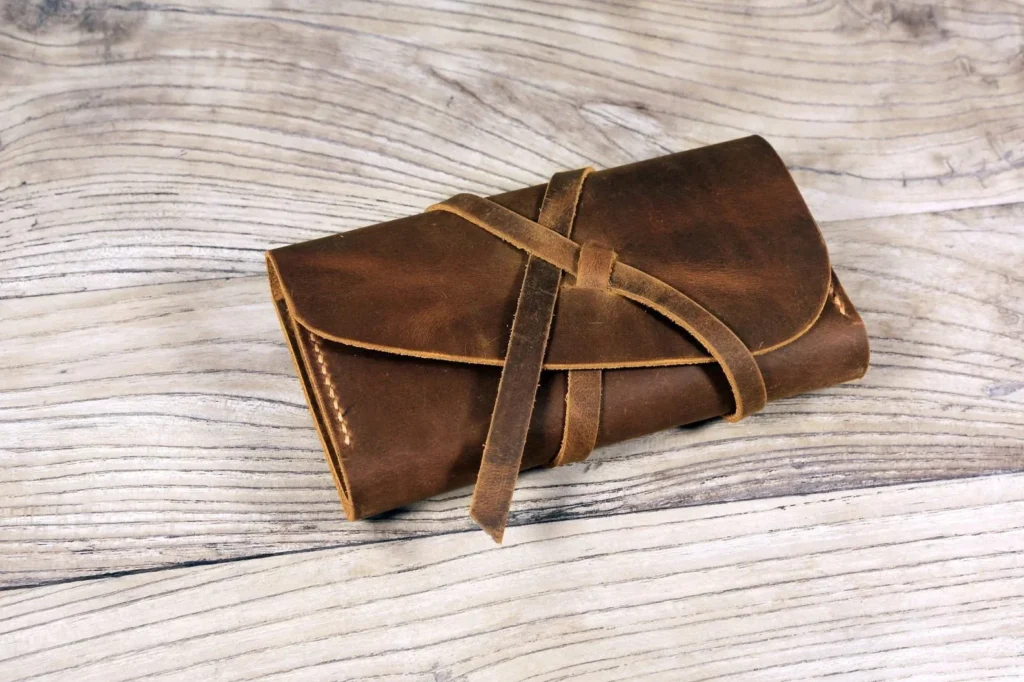
Choosing tobacco in a pouch involves more than selecting a package based on size or price. Tobacco products can differ in type, cut, aroma, moisture, and packaging design, so understanding these characteristics can help adult consumers make more informed purchasing decisions.
For adults researching tutun la punga, the most useful starting point is to consider how the product fits their preferences and storage conditions. Quantity, packaging quality, expected usage, and product information can all influence which option is most practical.
Consider the Tobacco Type
Different tobacco varieties can have noticeably different characteristics. They may vary in aroma, texture, cut, and processing method, making the choice largely dependent on individual preferences.
Product descriptions and labeling can provide useful information about the type of tobacco contained in the pouch. Comparing these details can help narrow down suitable options.
Choose a Practical Quantity
Pouches are available in different quantities, allowing adult consumers to select a package that matches their expected usage. Smaller quantities may be easier to manage, particularly when tobacco is used less frequently.
Larger pouches can be convenient for regular users, but they may require more attention to storage because the contents can remain open for a longer period.
Match Package Size to Usage
Before choosing a pouch, consider:
- How frequently you expect to use the tobacco.
- How quickly the package is likely to be used after opening.
- How much storage space is available.
- Whether portability is important.
- Whether the package can be resealed securely.
Selecting a realistic quantity can make both storage and handling easier.
Examine the Packaging
The condition and design of the pouch are important. Flexible packaging should be intact, without visible tears, punctures, or other damage that could expose the contents.
A reliable resealable closure is particularly useful after opening. It can help reduce unnecessary contact with outside air between uses.
Pay Attention to Product Information
Before purchasing, read the available labeling carefully. Relevant information may include the tobacco type, quantity, product specifications, and storage recommendations.
Clear product information allows consumers to compare different options based on more than appearance or package size.
Consider Freshness and Moisture
Moisture can influence the texture and handling characteristics of tobacco. Excessive dryness may make it brittle, while excessive moisture can produce an unusually damp texture.
There is no universal moisture condition that applies to every tobacco product. Adult consumers should follow any product-specific storage instructions rather than relying on generalized recommendations.
Think About Storage Before Buying
A pouch should be stored in a suitable environment after opening. A cool, stable indoor location away from direct sunlight and excessive heat is generally more practical.
Avoid keeping tobacco near radiators, ovens, or other heat sources. Strongly scented products should also be kept at a distance because tobacco can absorb surrounding odors.
Portability and Everyday Convenience
One of the main advantages of pouch packaging is its lightweight and flexible design. It generally requires less space than rigid containers and can be convenient for transport.
For adults who prioritize portability, a pouch may be more practical than a bucket or glass jar. Those who prioritize bulk capacity or long-term stationary storage may prefer a different format.
Pouch vs. Other Packaging Formats
Pouches are flexible and lightweight, while tins offer greater rigidity and physical protection. Buckets are generally intended for larger quantities, and suitable airtight jars can be useful for controlled storage.
Each format has different advantages. The appropriate choice depends on quantity, usage frequency, storage space, and personal preferences.
Check the Closure After Opening
The pouch’s closure becomes especially important once it has been opened. Close it securely after removing the desired amount and avoid leaving the package open unnecessarily.
If the original closure becomes damaged or ineffective, an appropriate airtight secondary container may provide additional protection for the remaining tobacco.
Recognize Changes During Storage
Regular inspection can help identify changes in the product. Pay attention to texture, appearance, and aroma, particularly when a pouch has been open for an extended period.
Excessive dryness, unexpected dampness, unusual odors, discoloration, or visible mold may indicate a storage problem or contamination. Tobacco showing visible mold or contamination should not be used.
Common Selection Mistakes
Choosing a pouch solely because it contains more tobacco can lead to unnecessary storage challenges. A quantity that is too large for an individual’s usage habits may remain open longer than practical.
Another common mistake is overlooking packaging condition. A secure, intact pouch is important for limiting environmental exposure after purchase.
A Practical Buying Checklist
Before choosing a pouch, adult consumers can consider the following:
- Does the tobacco type match my preferences?
- Is the quantity appropriate for my expected usage?
- Is the pouch intact and securely sealed?
- Can I store it in a stable environment?
- Have I checked the available product information?
- Does the packaging suit my portability and storage needs?
Taking a few moments to consider these points can make product comparisons more straightforward.
Conclusion
Choosing tobacco in a pouch is primarily a matter of matching product characteristics and packaging with individual needs. Tobacco type, quantity, packaging condition, storage requirements, and portability can all influence the decision.
For adult consumers, a well-chosen pouch can provide a practical combination of convenience and manageable storage. Paying attention to product information, resealing the package properly, and maintaining suitable storage conditions can also help preserve its intended characteristics over time.