Businesses participating in trade shows, public events, and outdoor advertising campaigns need displays that communicate their message clearly and attract attention in busy surroundings. Traditional signs can provide useful information, but distinctive promotional displays may help brands become easier to recognize. Choosing a portable and visually appealing advertising format can make event preparation more convenient while supporting consistent brand presentation.
Among the available promotional options, Bow Flags offer a distinctive curved shape that helps businesses display logos, product information, and advertising messages. Their tall profiles and customizable graphics make them suitable for a range of marketing environments, while portable support systems can simplify transportation and installation.
What Are Bow Flags?
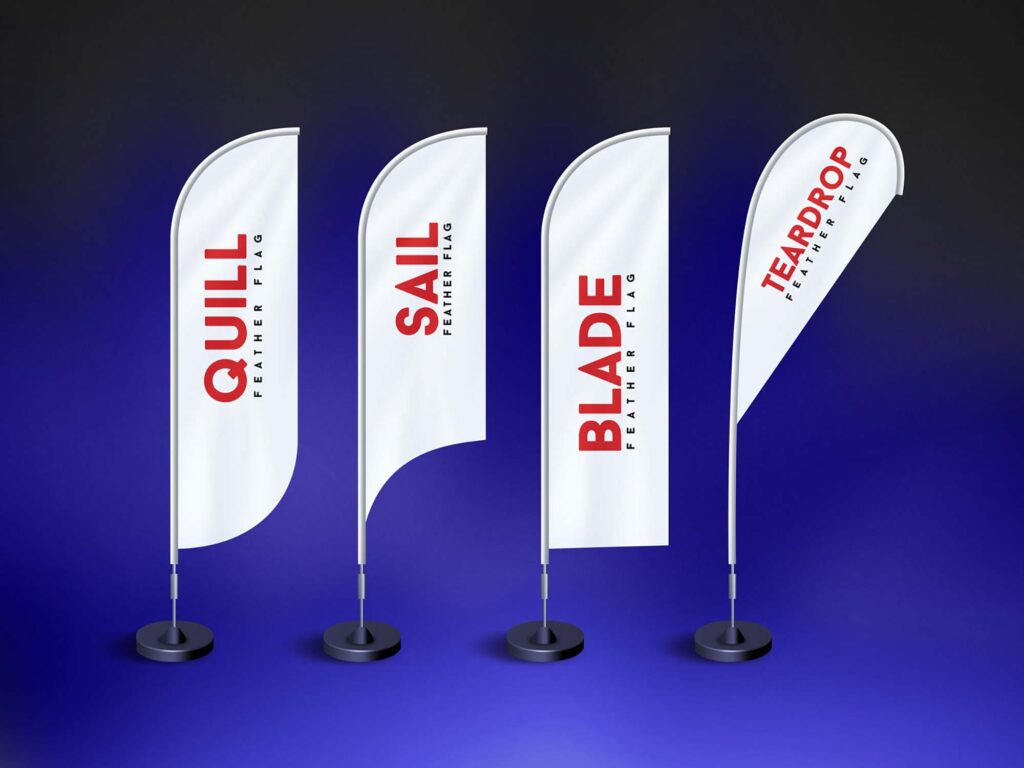
Bow flags are vertical promotional displays featuring a curved or arched outline. They generally consist of printed fabric attached to a flexible pole or supporting frame, with a base selected according to the installation surface.
Their curved profile distinguishes them from conventional rectangular banners. Depending on the design, the fabric may move with the breeze, adding visual interest to outdoor promotional areas.
Bow flags are available in different sizes and graphic styles. Businesses can customize them with brand names, logos, campaign messages, and product imagery to match their marketing objectives.
Why Bow Flags Work Well for Trade Shows
Trade shows bring together many businesses competing for the attention of visitors. A recognizable display can help an exhibitor identify its booth and communicate important information without requiring a complicated setup.
Help Exhibitors Stand Out
The curved shape creates a different visual profile from standard promotional banners. When positioned appropriately near a booth, a bow flag can make the business easier to identify among neighboring exhibitors.
Using consistent colors and logos across multiple flags can also create a coordinated appearance throughout an exhibition space.
Communicate Brand Information Quickly
Visitors often move between booths and have limited time to examine every display. A bow flag provides space for a business name, logo, or short promotional headline that can be understood quickly.
The most important information should be positioned prominently, with additional details kept to a minimum.
Complement Other Exhibition Displays
Bow flags can work alongside backdrops, product stands, counters, and printed brochures. They add vertical visibility without necessarily taking up the same amount of floor space as larger display structures.
Before installation, exhibitors should check venue height restrictions and ensure that the display does not obstruct neighboring booths or visitor routes.
How Bow Flags Support Outdoor Promotions
Outdoor advertising presents different challenges from indoor exhibitions. Displays must be visible in open spaces while using materials and support systems appropriate for changing environmental conditions.
Movement Adds Visual Interest
When a bow flag is designed for outdoor use, its fabric may respond to air movement. This can make the display more noticeable than a completely stationary sign.
The amount of movement depends on the flag’s construction and weather conditions. Businesses should always follow manufacturer guidance regarding safe wind limits.
Height Helps Improve Visibility
The vertical format can help promotional messages appear above smaller signs and nearby display materials. This can be useful around storefronts, event entrances, markets, and temporary promotional areas.
The selected height should suit the surrounding environment and remain within any applicable venue restrictions.
Custom Graphics Support Different Campaigns
Businesses can use bow flags to advertise seasonal products, announce special offers, introduce new services, or identify event locations.
A replaceable printed graphic, where supported by the product design, may also allow businesses to update campaign messages without replacing the entire display system.
Suitable Uses for Bow Flags at Events
Their distinctive appearance and adaptable presentation make bow flags useful across several types of public gatherings.
Sporting Competitions
Sports organizers and sponsors can use bow flags to identify registration areas, spectator entrances, merchandise stalls, and sponsor locations. Consistent graphics can help create a recognizable visual identity across the venue.
Festivals and Community Gatherings
Outdoor festivals often include food vendors, entertainment areas, information points, and retail stalls. A bow flag can help individual businesses distinguish their spaces and communicate what they offer.
For these settings, the base and support system should be suitable for the ground surface and expected weather.
Product Launches
Companies introducing new products can use bow flags to highlight a campaign message or direct visitors toward a demonstration area. Matching the flag design with other promotional materials can make the launch presentation more consistent.
Retail Promotions
Retailers may place suitable bow flags near approved storefront display areas to announce discounts, seasonal collections, and new arrivals. The message should be concise and visible without blocking entrances or pedestrian access.
Choosing the Right Bow Flag
Selecting an appropriate display involves considering the intended location, dimensions, materials, and frequency of use.
Select an Appropriate Size
The flag should be large enough to remain visible from the expected viewing distance. A larger event venue may require a taller display, while a smaller retail space may be better suited to a compact option.
Measure the installation area and check the assembled dimensions before purchasing.
Consider Fabric Quality
The fabric affects how the printed graphic looks and how well the display handles regular use. Review the material specifications, printing quality, and care requirements.
For outdoor applications, select fabric intended for the expected exposure and follow recommendations for cleaning and storage.
Review the Pole Structure
The pole must support the chosen flag size and shape. Flexible pole sections can help create the curved outline, while reliable connectors keep the assembly properly arranged.
Check the quality of joints and components, particularly if the display will be transported and assembled frequently.
Choose a Compatible Base
The base should match the installation surface and the manufacturer’s recommendations. Common options may include:
- Cross bases: Often used on suitable flat surfaces.
- Ground spikes: Designed for compatible grass or soil installations.
- Water-fill bases: Add weight when filled and are suitable for compatible surfaces.
- Weighted bases: Provide additional support where a heavier foundation is appropriate.
No base guarantees stability in every weather condition. Consider wind exposure and remove the display when conditions exceed the product’s recommended limits.
Prioritize Portability
Businesses that attend several events may benefit from lightweight components, detachable sections, and protective carrying cases. These features can make transportation and storage easier.
Also consider how much time is available for installation and whether the display can be assembled without specialized equipment.
Designing Bow Flags for Better Brand Recognition
The physical display helps attract attention, but the graphic determines what the audience sees. A clear design can make promotional information easier to understand.
Keep Text Concise
Use a short headline, business name, or primary campaign message. Too much text can make the flag difficult to read, particularly when people are viewing it from a distance.
Use Strong Color Contrast
Choose background and text colors that remain distinguishable in outdoor lighting and busy exhibition environments. Consistent brand colors can also improve recognition across different promotional materials.
Include a Recognizable Logo
Place the logo where it can be seen clearly within the printable area. Avoid positioning essential details too close to seams or edges where the shape of the flag may affect their appearance.
Use High-Resolution Graphics
Prepare artwork according to the printer’s specifications. High-resolution images help maintain a clear, professional appearance when the design is enlarged for printing.
Common Mistakes to Avoid
Even a well-designed bow flag may be less effective if important planning details are overlooked. Businesses should avoid:
- Choosing a display that is too small for the intended venue.
- Using lengthy messages and crowded graphics.
- Ignoring the flag’s curved printing area.
- Selecting a base that is unsuitable for the installation surface.
- Placing displays where they obstruct walkways or entrances.
- Using outdoor equipment beyond its recommended weather limits.
- Failing to inspect poles and connectors before installation.
- Leaving outdated promotional messages on display.
Reviewing these details before an event can help prevent avoidable problems.
Maintaining Bow Flags for Long-Term Use
Regular maintenance helps preserve the appearance and functionality of promotional equipment. Inspect the fabric, pole sections, connectors, and base before each use. Look for tears, fraying, loose joints, or other visible signs of wear.
Clean the fabric according to the manufacturer’s instructions and allow it to dry completely before storage. Disassemble the pole carefully and keep the components together in a protective case or clean, dry location.
After outdoor use, remove dirt and moisture as recommended. If any component becomes damaged, replace it before using the display again.
Conclusion
Bow flags are a practical promotional option for businesses attending trade shows, sporting competitions, festivals, and outdoor marketing events. Their distinctive curved profile, customizable graphics, and portable support systems can help brands present their messages in a recognizable format.
Choosing the right size, fabric, pole, and base is essential for a suitable display. With clear artwork, thoughtful placement, and regular maintenance, bow flags can support consistent brand visibility across different promotional environments.