Industrial and commercial drainage systems handle large volumes of wastewater, grease, sediment, and other materials every day. Over time, these substances can accumulate inside pipelines, restricting water flow and increasing the risk of blockages. Regular maintenance is essential to keep drainage networks operating efficiently and prevent costly disruptions. High-pressure water jetting is a widely used cleaning method because it can remove stubborn deposits and flush debris from pipe interiors without relying solely on mechanical tools.
Successful jetting operations depend on selecting the right equipment for the pipeline, blockage type, and working environment. Understanding the essential components helps maintenance professionals build an effective and reliable drain cleaning setup.
What Is Pipe Jetting Equipment?
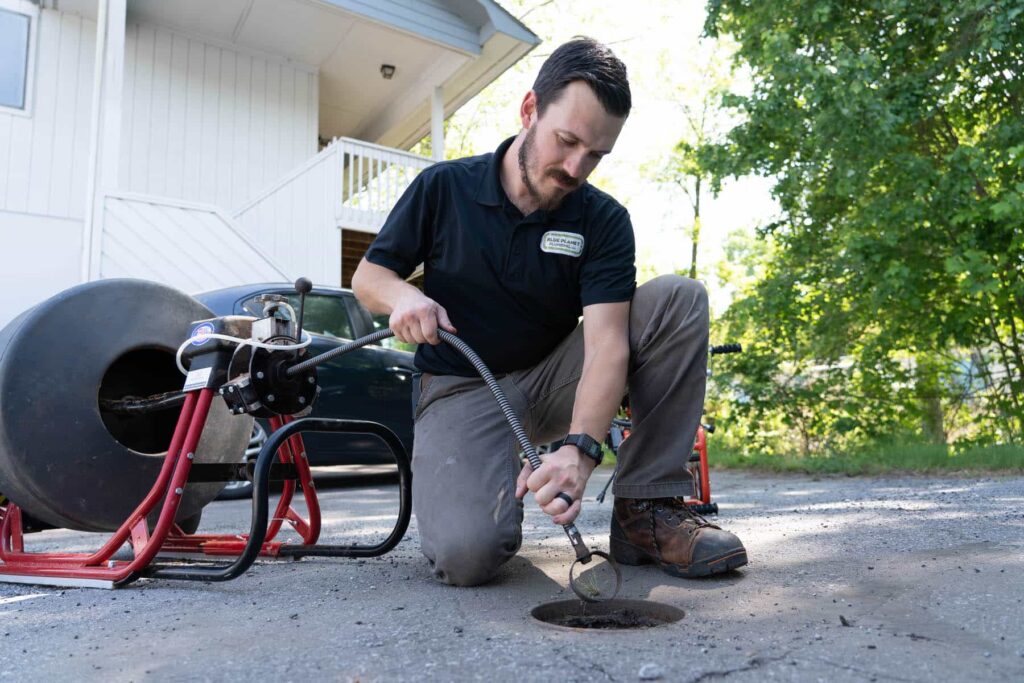
Pipe jetting equipment refers to the machines, hoses, nozzles, and accessories used to clean pipelines with pressurized water. A typical system pumps water through a specialized hose and directs it into the pipe through a jetting nozzle. The water streams help loosen accumulated material, break down deposits, and move debris through the drainage network.
Industrial and commercial applications require equipment that can handle regular operation, varying pipe dimensions, and demanding cleaning conditions. When selecting suitable Pipe Jetting Equipment for professional use, operators should consider working pressure, water flow rate, hose specifications, nozzle compatibility, and the size of the pipelines being maintained. Matching these components helps achieve effective cleaning while supporting safe operation.
1. High-Pressure Water Jetting Machines
The jetting machine is the central component of a pipe cleaning system. It supplies pressurized water to the hose and nozzle, allowing operators to remove deposits from the pipeline.
Commercial and industrial machines are available in different configurations, depending on the cleaning requirements and operating environment.
Important features to evaluate include:
- Operating pressure: Determines the pressure available for removing different types of deposits.
- Water flow rate: Influences how much water passes through the system and helps flush loosened debris.
- Pump capacity: Must support the required pressure and flow during operation.
- Power source: Options may include electric, petrol, or diesel-powered systems.
- Portability: Equipment should be suitable for the site, access conditions, and frequency of use.
- Control features: Pressure regulation and accessible controls support more consistent operation.
The machine should be selected according to the pipe material, blockage type, and manufacturer’s operating recommendations. Higher pressure is not automatically better, as excessive pressure can damage weakened or unsuitable pipelines.
2. High-Pressure Drain Cleaning Hoses
The hose transports pressurized water from the jetting machine to the nozzle. It must withstand the system’s operating pressure while remaining flexible enough to travel through compatible pipe layouts.
For commercial and industrial cleaning, hose selection should account for:
- Maximum working-pressure rating.
- Internal diameter and required water flow.
- Suitable hose length for the pipeline.
- Abrasion-resistant outer construction.
- Flexibility and resistance to kinking.
- Compatibility with machine and nozzle connections.
A hose that is too narrow may restrict water delivery, while excessive length can increase friction losses and make handling more difficult. Operators should follow the machine manufacturer’s specifications and inspect hoses regularly for cuts, bulges, leaks, and exposed reinforcement.
3. Specialized Jetting Nozzles
The nozzle determines how water is distributed inside the pipeline. Different nozzle designs produce different spray patterns, making nozzle selection important for effective cleaning.
Common types include:
Forward-Jetting Nozzles
These nozzles direct water toward the front of the pipe. They can help penetrate certain obstructions and loosen material directly ahead of the nozzle.
Rear-Jetting Nozzles
Rear-facing jets help propel the hose through the pipeline while flushing loosened debris toward the access point. They are commonly used for general drain cleaning.
Rotating Nozzles
Rotating designs distribute water around the internal pipe surface. They can help remove deposits that are attached to pipe walls, depending on the nozzle design and operating conditions.
Specialized Cutting Nozzles
Some nozzles are designed for challenging obstructions, such as certain root intrusions or hardened deposits. These applications require appropriate equipment, trained operators, and careful assessment of pipe condition to avoid damage.
The nozzle orifice size, jetting angle, and flow requirements must be compatible with the pump and hose system.
4. Water Supply and Filtration Systems
A reliable water supply is essential for consistent jetting performance. If the supply cannot provide the volume required by the machine, cleaning efficiency may decrease and equipment operation may be affected.
Industrial and commercial systems may use tanks, direct water connections, or dedicated supply arrangements. A suitable setup should provide enough water for the intended cleaning duration.
Water filtration can also help protect pumps, valves, and nozzles from particles that may cause wear or blockage. Operators should follow the manufacturer’s requirements for water quality and supply conditions.
5. Hose Reels and Storage Systems
Hose reels help organize high-pressure hoses during transport, setup, and cleaning operations. They reduce tangling and make it easier to deploy and retrieve hoses between jobs.
A suitable reel should:
- Support the hose’s length and weight.
- Be compatible with the hose diameter.
- Allow controlled winding and unwinding.
- Provide secure storage during transport.
- Be designed for the intended working environment.
Proper storage helps prevent unnecessary bending, abrasion, and damage. However, operators should ensure the reel and its connections are suitable for the system’s pressure requirements.
6. Pressure Control and Safety Components
High-pressure jetting equipment must be operated with appropriate safety controls. Excessive pressure, damaged connections, or incorrect operating procedures can cause equipment failure and serious injury.
Important components and safeguards may include:
- Pressure gauges for monitoring system operation.
- Pressure regulation devices.
- Suitable relief and bypass arrangements.
- Emergency stop controls where provided.
- Correctly rated fittings and connectors.
- Protective equipment for operators.
Every component exposed to pressurized water must be rated for the intended operating conditions. Operators should never exceed manufacturer limits or attempt to disconnect a pressurized hose.
7. Inspection and Diagnostic Tools
Cleaning does not always reveal the underlying condition of a pipeline. A drain may become blocked repeatedly because of cracks, displaced joints, root intrusion, corrosion, or structural deformation.
Pipe inspection cameras allow technicians to examine the inside of a pipeline before or after cleaning. Recorded footage can help identify visible problems, locate affected sections, and assess whether additional maintenance is required.
Inspection equipment is particularly useful when:
- Blockages occur repeatedly.
- The cause of restricted flow is uncertain.
- Structural damage is suspected.
- Cleaning results need to be verified.
- Maintenance work must be documented.
A camera inspection provides visual evidence, but some structural concerns may require additional assessment to determine their severity.
8. Applications in Industrial and Commercial Facilities
Pipe jetting systems are used in many environments where drainage networks experience frequent or heavy use.
Restaurants and Food Processing Facilities
Grease, food particles, and wastewater residue can accumulate in drainage lines. Regular cleaning helps maintain flow and reduce the likelihood of disruptive blockages.
Hotels and Commercial Buildings
Large buildings often have extensive drainage networks serving kitchens, bathrooms, laundry areas, and other facilities. Jetting equipment supports routine maintenance and targeted cleaning.
Manufacturing Plants
Industrial facilities may produce wastewater containing sediment, residue, and process-related deposits. Cleaning methods should be selected according to the pipe material and the substances present.
Municipal and Sewer Networks
Municipal maintenance teams use suitable jetting systems to remove sediment, accumulated debris, and other obstructions from sewer and stormwater pipelines.
The equipment requirements vary across these applications, so operators should assess each job before selecting pressure, flow, hose, and nozzle configurations.
9. Choosing Equipment Based on Pipeline Requirements
A complete jetting setup should be selected as a compatible system rather than as a collection of unrelated components. The following factors can help guide purchasing decisions:
- Pipe diameter: Equipment must suit the internal dimensions of the pipelines being cleaned.
- Pipe material and condition: Older, damaged, or weakened pipes may require lower-pressure methods or inspection before jetting.
- Type of blockage: Grease, sediment, roots, and hardened deposits may require different nozzle designs and cleaning approaches.
- Required water flow: The pump, hose, and nozzle must work together to deliver suitable flow.
- Operating pressure: Pressure must remain within the limits of the equipment and the pipeline.
- Job frequency: Regular commercial use may justify more durable equipment and convenient storage systems.
- Site access: Consider whether the equipment can be transported and positioned safely.
- Maintenance support: Replacement parts, servicing, and manufacturer guidance can influence long-term reliability.
A properly matched system can improve cleaning consistency and reduce unnecessary wear on equipment.
10. Maintenance Practices for Long-Term Performance
Routine equipment maintenance helps prevent breakdowns and supports safer jetting operations. Before and after each job, operators should inspect the machine, hoses, fittings, and accessories.
Recommended practices include:
- Check hoses for abrasion, cuts, bulges, and leaks.
- Inspect nozzles for wear, blockage, and damaged openings.
- Verify that fittings and connectors are secure and compatible.
- Follow the manufacturer’s pump maintenance schedule.
- Clean filters and water supply components as recommended.
- Store hoses and accessories in suitable conditions.
- Record maintenance activities and replace damaged components promptly.
Regular servicing is especially important for equipment used frequently in demanding industrial environments.
Conclusion
Efficient industrial and commercial drain cleaning requires more than a high-pressure machine. Hoses, specialized nozzles, water supply systems, hose reels, safety controls, and inspection tools all contribute to effective pipeline maintenance.
By choosing compatible equipment based on pipe dimensions, blockage type, operating pressure, and working conditions, professionals can improve cleaning efficiency and reduce unnecessary equipment wear. Proper training, regular inspections, and adherence to manufacturer guidelines are equally important for maintaining safe and reliable jetting operations.