Sealing components play an essential role in maintaining the performance and reliability of industrial machinery. They prevent fluid leakage, maintain pressure, block contaminants, and protect moving parts from unnecessary damage. However, continuous operation, pressure changes, temperature fluctuations, and exposure to chemicals can gradually affect their condition.
Recognizing early signs of deterioration can help prevent unexpected equipment failures and expensive repairs. Regular inspection of DMS Seals and other industrial sealing components allows maintenance teams to identify problems before they affect the entire system. Understanding common wear patterns, leakage symptoms, and material changes makes it easier to determine when a seal requires attention or replacement.
Why Seal Inspection Is Important
Industrial seals operate under different mechanical and environmental conditions. Some remain stationary for long periods, while others experience continuous rotation or repeated movement. Over time, these operating conditions can cause gradual material deterioration.
Ignoring damaged seals can result in several problems, including:
- Hydraulic or pneumatic fluid leakage.
- Loss of system pressure.
- Contamination entering machinery.
- Increased friction between moving components.
- Reduced equipment efficiency.
- Damage to shafts, cylinders, and other mechanical parts.
- Unexpected production interruptions.
Routine inspection helps identify these issues early and supports better maintenance planning.
Common Signs of Damage and Wear in Industrial Seals
Different types of seal damage produce different visual and operational symptoms. The following signs can help technicians assess sealing components during routine maintenance.
1. Visible Cracks and Surface Splitting
Cracks are among the most noticeable indicators of seal deterioration. They may develop because of aging, excessive heat, chemical exposure, or repeated mechanical stress.
Small cracks can gradually expand and weaken the sealing surface. Once the material loses its ability to maintain consistent contact, leakage may occur.
During inspection, technicians should look for:
- Fine cracks along the sealing edges.
- Splits across the material surface.
- Brittle or hardened areas.
- Small pieces breaking away from the seal.
Cracked seals should be evaluated carefully because continued operation may lead to complete sealing failure.
2. Deformation and Loss of Original Shape
A seal must maintain its designed shape to create an effective sealing barrier. Excessive pressure, incorrect installation, or prolonged exposure to high temperatures can cause deformation.
Common forms of deformation include flattening, twisting, stretching, and permanent compression.
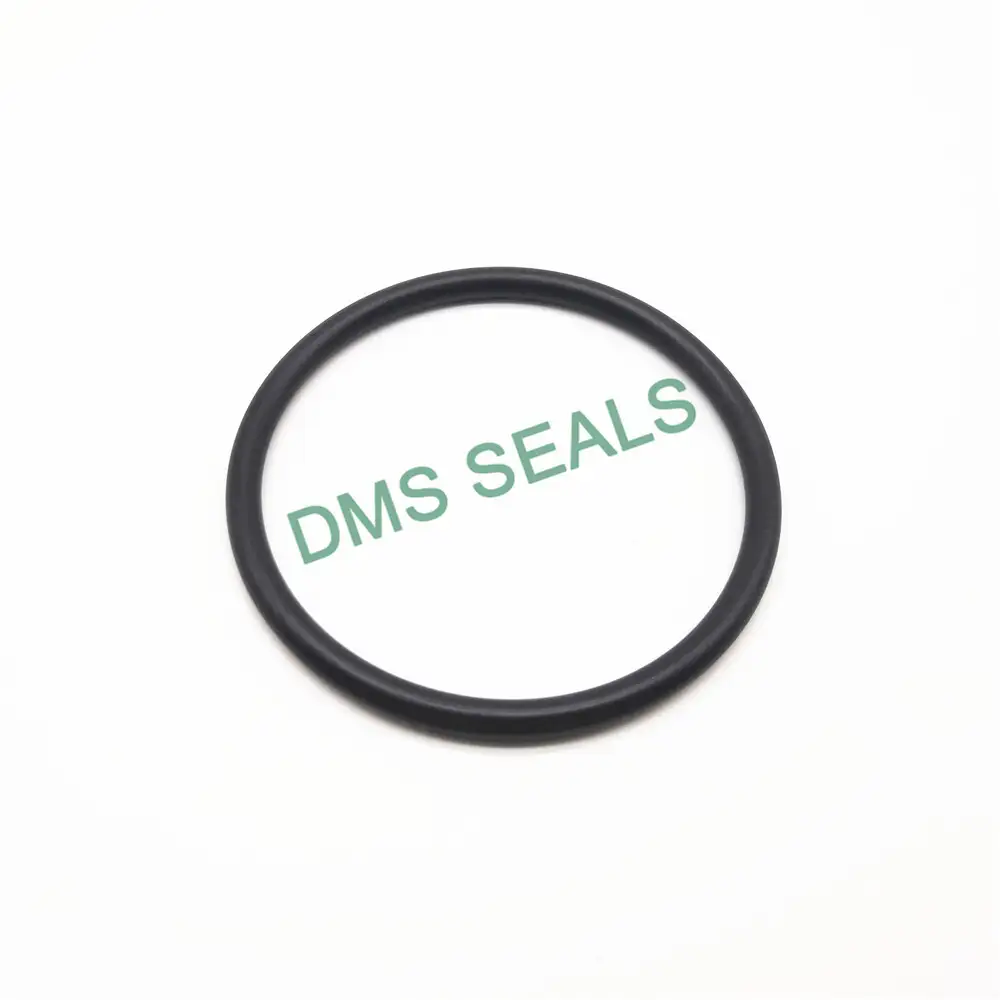
For example, an O-ring that has lost its original round cross-section may no longer provide sufficient contact pressure. Similarly, a distorted hydraulic seal may allow fluid to pass through the sealing area.
3. Cuts, Scratches, and Abrasion
Mechanical damage can occur during installation or normal equipment operation. Sharp edges, rough surfaces, foreign particles, and misaligned components may create cuts or scratches.
Abrasion is particularly common in dynamic seals that operate against moving shafts, rods, or cylinder walls.
Technicians should examine the sealing surface for:
- Deep scratches.
- Worn sealing lips.
- Missing material.
- Uneven contact marks.
- Rough or polished areas caused by repeated friction.
These signs may indicate problems with the seal itself or with the surrounding equipment surfaces.
4. Hardening and Loss of Flexibility
Elastomeric sealing materials are designed to maintain flexibility under specific operating conditions. Over time, exposure to heat, oxygen, ultraviolet light, or incompatible chemicals may cause them to harden.
A hardened seal may become less capable of adapting to small surface irregularities. This can reduce sealing effectiveness and increase the likelihood of cracking.
During maintenance, technicians should compare the material’s condition with the expected properties of a new or serviceable component. Excessive stiffness, brittleness, or reduced elasticity may indicate deterioration.
5. Swelling and Softening
Some sealing materials absorb fluids or react with chemicals that are incompatible with their composition. This can cause swelling, softening, or changes in dimensions.
A swollen seal may become difficult to fit correctly or create excessive friction against moving components. Softened material may lose mechanical strength and become more vulnerable to tearing.
Checking fluid compatibility is important when identifying the cause of this type of damage.
6. Leakage Around Sealing Areas
Fluid leakage is one of the most common operational indicators of sealing problems.
In hydraulic equipment, oil may appear around piston rods, cylinder connections, or shaft housings. In pneumatic systems, leakage may cause pressure loss and reduced actuator performance.
However, leakage does not always mean the seal itself is damaged. Other possible causes include:
- Incorrect seal installation.
- Scratched or worn contact surfaces.
- Excessive operating pressure.
- Loose connections.
- Misaligned mechanical components.
- Damaged sealing grooves.
A complete inspection helps identify the actual source rather than replacing components unnecessarily.
Operational Symptoms That May Indicate Seal Failure
Not all sealing problems are immediately visible. Changes in equipment performance can also indicate that a seal is deteriorating.
Reduced Hydraulic Pressure
Damaged piston seals may allow hydraulic fluid to bypass the piston. This can reduce pressure efficiency and affect the force generated by a hydraulic cylinder.
Operators may notice slower movement, reduced lifting capacity, or difficulty maintaining a load.
Irregular Equipment Movement
Worn or deformed seals can increase friction or interfere with smooth component movement.
Hydraulic cylinders may move unevenly, while pneumatic actuators may respond slowly or inconsistently. These symptoms should be investigated before they cause additional mechanical problems.
Increased Operating Temperature
Excessive friction, poor lubrication, or internal fluid leakage may contribute to abnormal heat generation.
If equipment temperatures rise beyond normal operating conditions, maintenance teams should inspect the sealing system along with lubrication, alignment, and other mechanical factors.
Unusual Noise or Vibration
Damaged sealing components may contribute to irregular movement and mechanical vibration. Although noise can have several causes, unexpected changes in equipment sound should prompt further inspection.
Common Causes of Seal Damage
Identifying visible damage is only part of the maintenance process. Understanding why it occurred helps prevent the same problem from happening again.
Incorrect Material Selection
Different sealing materials have different resistance levels to heat, pressure, chemicals, oils, and abrasion.
Using an unsuitable material can lead to premature swelling, cracking, hardening, or softening. The selected material should match the operating environment and fluid requirements.
Excessive Pressure
Operating beyond the seal’s rated pressure can cause extrusion, deformation, and accelerated wear.
Pressure spikes may also damage sealing components even when normal operating pressure remains within the recommended range.
High or Low Temperatures
Extreme temperatures can affect material flexibility and dimensional stability.
High temperatures may accelerate aging and hardening, while very low temperatures can make certain materials less flexible and more susceptible to cracking.
Contamination
Dust, dirt, metal particles, and other contaminants can damage sealing surfaces. These particles may become trapped between moving components and create abrasive wear.
Proper filtration and effective contamination-control measures help reduce this risk.
Improper Installation
Incorrect installation can damage a seal before the equipment begins operating.
Common mistakes include twisting the seal, stretching it excessively, using unsuitable tools, and installing it in a contaminated groove.
Following the manufacturer’s installation instructions helps prevent avoidable damage.
Poor Equipment Alignment
Misaligned shafts, rods, or other moving components can create uneven contact pressure.
This may cause seals to wear more quickly on one side, resulting in leakage and reduced service life.
How to Inspect DMS Seals Effectively
A systematic inspection process makes it easier to identify early signs of deterioration and determine whether replacement is necessary.
Step 1: Follow Equipment Safety Procedures
Before inspecting any sealing component, shut down the equipment and follow the required isolation procedures. Hydraulic and pneumatic systems should be depressurized according to manufacturer instructions.
Technicians should never remove pressurized components or attempt repairs while machinery is operating unless a specific approved procedure allows it.
Step 2: Perform a Visual Examination
Look for cracks, cuts, swelling, deformation, discoloration, and worn sealing edges.
Use suitable lighting to examine areas that are difficult to access. A magnifying tool may help identify small surface defects.
Step 3: Check the Surrounding Components
Inspect shafts, rods, cylinder walls, grooves, and other contact surfaces.
Scratches, corrosion, roughness, and misalignment may damage a replacement seal if the underlying issue remains unresolved.
Step 4: Examine Leakage and Performance
Check whether fluid is escaping from the sealing area and whether the equipment maintains its normal pressure and movement.
Compare operating conditions with the equipment’s specifications to identify unusual changes.
Step 5: Review Operating History
Maintenance records can provide useful information about repeated failures, replacement intervals, temperature changes, and pressure-related problems.
If seals repeatedly fail in the same location, the cause may involve equipment design, installation, or operating conditions rather than normal material aging.
When Should Industrial Seals Be Replaced?
Not every surface mark requires immediate replacement, but certain conditions indicate that a seal should no longer remain in service.
Replacement is generally necessary when:
- Cracks or splits affect the sealing surface.
- The material has become brittle or excessively hardened.
- The seal is permanently deformed.
- Significant cuts or missing material are present.
- Swelling prevents correct installation or operation.
- Leakage continues after other possible causes are checked.
- The component cannot maintain the required pressure.
- The seal has reached its specified service-life limit.
Always follow equipment and seal manufacturer recommendations when determining replacement requirements. Reusing a visibly damaged seal can increase the risk of system failure.
Practical Tips for Extending Seal Service Life
Preventive maintenance can reduce unnecessary wear and help sealing components operate reliably.
Consider these practices:
- Choose compatible materials: Match the seal material to the operating fluid, temperature, and pressure.
- Maintain clean systems: Use suitable filtration and prevent contaminants from entering equipment.
- Follow installation instructions: Use correct tools and avoid twisting or stretching seals during fitting.
- Inspect contact surfaces: Check rods, shafts, and cylinder walls for scratches or corrosion.
- Monitor operating conditions: Keep pressure and temperature within specified limits.
- Maintain lubrication: Follow the recommended lubrication procedures for the equipment.
- Keep maintenance records: Document inspections, failures, and replacement dates.
- Replace damaged components promptly: Avoid operating machinery with seals that can no longer perform their intended function.
These measures help maintenance teams identify recurring problems and improve the reliability of industrial equipment.
Conclusion
Identifying signs of damage and wear in DMS seals is an important part of maintaining industrial machinery. Cracks, deformation, abrasion, hardening, swelling, and fluid leakage can all indicate that a sealing component is losing its effectiveness. Changes in pressure, movement, temperature, and equipment performance may provide additional warning signs.
Regular inspections, correct material selection, proper installation, and preventive maintenance help reduce premature seal failure. By addressing both visible damage and its underlying causes, industrial operators can protect mechanical components, minimize downtime, and maintain reliable equipment performance.