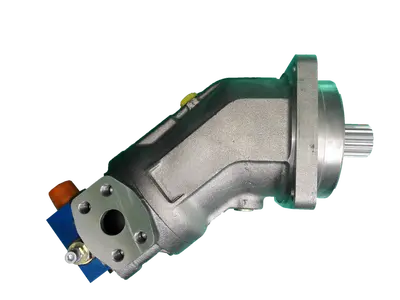
Reliable pump performance is essential in industrial systems where unexpected downtime can interrupt production, increase maintenance costs, and affect overall efficiency. Piston pumps are often used in demanding applications, making consistent manufacturing quality especially important.
A piston pump manufacturer can influence reliability through careful design, material selection, precision manufacturing, testing, and quality control. These processes help ensure that pumps perform according to their intended specifications throughout normal operating conditions.
Starting With Sound Pump Design
Reliable performance begins during the design stage. Engineers must consider the pressure, flow rate, fluid characteristics, temperature, operating speed, and duty cycle for which a pump is intended.
A well-designed pump balances these factors rather than optimizing for a single specification. Proper design can help reduce excessive mechanical stress, fluid leakage, vibration, and premature component wear.
Selecting Suitable Materials
Material selection has a direct effect on pump durability. Components exposed to the pumped fluid must be compatible with its chemical and physical properties.
For example, corrosive fluids may require corrosion-resistant materials, while abrasive fluids can place greater demands on wear-resistant components. Seals, valves, pistons, cylinders, and other wetted parts should be selected according to the application.
Maintaining Manufacturing Precision
Piston pumps contain moving components that must work together accurately. Dimensional inconsistencies in critical parts can affect sealing, efficiency, vibration, and service life.
Manufacturers use controlled machining and assembly processes to maintain the required tolerances. Precision is particularly important for components such as pistons, cylinders, valves, shafts, and bearings.
Applying Quality-Control Procedures
Quality control helps manufacturers identify potential problems at different stages of production. Inspections may begin with incoming materials and continue through machining, assembly, and final testing.
A structured quality system can help ensure that components and finished pumps remain within specified requirements. This consistency is important when equipment is produced repeatedly for industrial applications.
Testing Pump Performance
Finished pumps may undergo testing to verify that they operate as intended. The specific tests depend on the pump design and its intended application.
Performance checks can include:
- Pressure testing
- Flow verification
- Leakage inspection
- Dimensional checks
- Mechanical operation testing
- Component and assembly inspections
Testing can help identify issues before the pump reaches the customer’s facility.
Controlling Sealing and Leakage
Effective sealing is critical to piston pump operation. Worn, incompatible, or incorrectly installed seals can result in leakage, reduced performance, and increased maintenance requirements.
Manufacturers consider seal materials, operating pressure, temperature, fluid compatibility, and piston movement when developing sealing systems. Proper selection and assembly can help maintain reliable fluid containment.
Designing for Wear Resistance
Piston pumps include components that experience repeated mechanical movement. Over time, this can lead to wear, especially when equipment operates continuously or handles abrasive fluids.
Manufacturers can address wear through suitable materials, component geometry, surface treatments, lubrication arrangements, and replaceable wear components. These design choices can help extend maintenance intervals when matched correctly to the application.
Managing Operating Conditions
Even a well-manufactured pump can experience problems if it is operated outside its intended range. Excessive pressure, unsuitable fluid properties, inadequate lubrication, or improper installation can accelerate component wear.
For this reason, manufacturers typically provide operating specifications and maintenance recommendations. Following these guidelines helps keep the pump within its designed performance range.
Providing Technical Documentation
Clear documentation supports reliable operation after installation. Product specifications, operating instructions, maintenance schedules, technical drawings, and replacement-part information can help users manage the equipment correctly.
Accurate documentation also makes it easier for maintenance teams to identify components and follow recommended servicing procedures.
Supporting Preventive Maintenance
Regular maintenance can help identify potential problems before they cause unexpected failures. Depending on the application, maintenance may involve inspecting seals, valves, pistons, bearings, lubrication systems, and connections.
Manufacturers can support preventive maintenance by providing recommended inspection intervals and information about wear components. Timely replacement of service parts can help preserve pump performance.
Improving Reliability Through Application Knowledge
Pump reliability depends partly on selecting equipment that actually matches the application. A pump designed for one set of conditions may not perform effectively under significantly different requirements.
Manufacturers with strong application knowledge can help users consider factors such as pressure, flow, fluid compatibility, temperature, duty cycle, and installation conditions before choosing a configuration.
Conclusion
Reliable piston pump performance is the result of several interconnected factors. Careful design, appropriate material selection, precision manufacturing, quality control, performance testing, effective sealing, and proper maintenance all contribute to dependable operation.
Manufacturers can also improve long-term reliability by providing accurate documentation and application guidance. For industrial users, selecting equipment that matches the actual operating conditions and following recommended maintenance practices are equally important for achieving consistent pump performance.