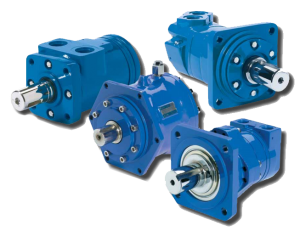
Hydraulic motors are used in a wide range of equipment where controlled rotary power, torque, and reliable operation are required. While standard motors can meet many common requirements, original equipment manufacturers and specialized machinery builders may need products configured for specific systems.
An experienced hydraulic motor manufacturer can offer both OEM and custom manufacturing options. These approaches allow businesses to source motors according to their technical specifications, equipment designs, production volumes, and application requirements.
What Is OEM Hydraulic Motor Manufacturing?
OEM manufacturing involves producing hydraulic motors according to specifications provided by an original equipment manufacturer. The product is generally designed to integrate with a particular machine or hydraulic system.
OEM projects may involve established drawings, technical specifications, performance requirements, or approved component standards. The manufacturer then produces the motor according to the agreed requirements and quality criteria.
This approach can be useful for equipment companies that need consistent components across a production line or product family.
How Custom Manufacturing Differs
Custom manufacturing generally involves greater flexibility in product design. Instead of selecting an existing standard configuration, the customer and manufacturer work together to develop a motor that addresses specific application requirements.
Customization may involve changes to:
- Motor displacement
- Shaft dimensions or configuration
- Mounting arrangement
- Hydraulic ports
- Housing dimensions
- Pressure or speed requirements
- Materials or sealing components
The exact scope of customization depends on the manufacturer’s engineering and production capabilities.
Benefits of OEM Manufacturing
OEM production can provide consistency for companies that manufacture equipment in larger quantities. Once the technical requirements are established, the manufacturer can produce motors according to the approved configuration.
Potential advantages include:
- Consistent product specifications
- Repeatable production
- Easier integration into equipment
- Simplified procurement
- Predictable replacement requirements
OEM manufacturing is particularly useful when the same motor specification is required across multiple units or production cycles.
When Custom Manufacturing Makes Sense
Custom manufacturing may be appropriate when standard products cannot meet the machine’s requirements. Space limitations, unusual mounting arrangements, specialized shafts, or specific performance demands can all create a need for customization.
It may also be considered when an equipment manufacturer wants to optimize the motor for a particular machine rather than adapting the machine around a standard component.
Starting the OEM or Customization Process
A successful project starts with accurate technical information. The customer should provide as much relevant data as possible so the manufacturer can evaluate the requirements.
Important information may include:
- Required torque and speed
- Continuous and peak pressure
- Hydraulic flow rate
- Operating cycle
- Installation dimensions
- Shaft and mounting specifications
- Operating temperature
- Environmental conditions
- Expected production volume
Clear requirements help reduce design changes and potential compatibility issues later in the project.
Engineering and Design Support
Custom hydraulic motor projects often require communication between the equipment designer and manufacturer. Engineers may review drawings, hydraulic circuit information, load conditions, and installation constraints.
The manufacturer may then recommend an appropriate motor design or identify areas where specifications need to be adjusted. This collaborative process can help ensure that the final product performs as intended.
Prototype Development and Testing
Before large-scale production, prototypes or samples can be useful for validating a custom design. Testing the motor in conditions similar to the final application can reveal potential problems that may not be obvious from drawings alone.
Testing can evaluate factors such as pressure resistance, torque, speed, leakage, temperature, vibration, and overall compatibility with the hydraulic system.
Manufacturing Quality for OEM Products
OEM and custom products require consistent manufacturing because even small deviations can affect equipment assembly and performance.
Quality control may include material inspection, dimensional checks, machining verification, assembly inspection, and finished-product testing. Maintaining consistent tolerances is particularly important when motors are installed into standardized equipment.
Production Capacity and Repeat Orders
OEM customers often need motors on a recurring basis. Therefore, production capacity and supply consistency should be evaluated before selecting a manufacturer.
Ask about expected lead times, minimum order quantities, production scalability, quality consistency, and the manufacturer’s ability to maintain the same specifications for future orders.
Documentation and Traceability
Technical documentation is important for both OEM and custom projects. Drawings, specifications, inspection records, and product identification can simplify manufacturing, maintenance, and future replacement.
For long-term projects, clear documentation also helps ensure that replacement motors continue to match the original equipment requirements.
Balancing Customization and Cost
Custom engineering can increase development and manufacturing costs. Additional tooling, testing, specialized components, or lower production volumes may affect the final price.
For this reason, customization should focus on requirements that provide a practical benefit. If a standard motor can meet the application without significant compromise, it may be more economical than developing a completely customized design.
Choosing Between OEM and Custom Manufacturing
The best option depends on the project’s objectives. OEM manufacturing is generally well suited to repeatable specifications and established equipment designs, while custom manufacturing offers greater flexibility when standard products are not sufficient.
Before making a decision, compare technical requirements, production volume, development time, cost, testing needs, and future replacement requirements.
Conclusion
OEM and custom hydraulic motor manufacturing provide different ways for equipment manufacturers to obtain motors that fit their production and application needs. OEM manufacturing emphasizes consistency and repeatability, while custom manufacturing offers greater flexibility for specialized equipment.
Regardless of the approach, the manufacturer should be evaluated based on engineering capability, manufacturing quality, testing procedures, production capacity, documentation, and long-term support. A well-defined technical specification and effective communication can help ensure that the final hydraulic motor integrates reliably with the intended machine.