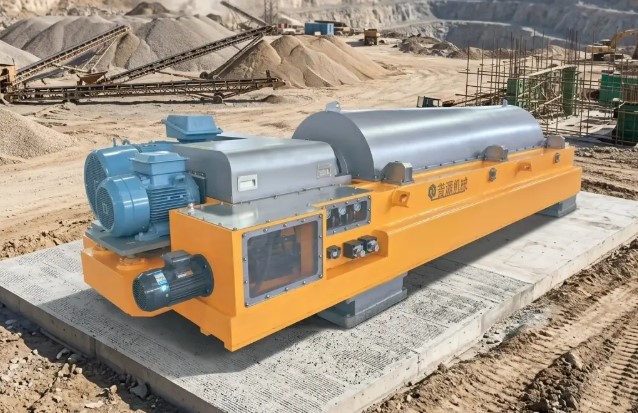
Continuous industrial separation places demanding requirements on rotating equipment. A centrifuge needs regular inspections, proper lubrication, timely component replacement, and careful monitoring to maintain reliable performance over long production cycles.
A centrifuge separator operates at high rotational speeds, so small mechanical issues can develop into larger performance problems when operators overlook routine care. A structured maintenance program helps protect critical components, maintain separation efficiency, and reduce unexpected production interruptions.
Why Regular Maintenance Matters
Continuous operation exposes centrifugal equipment to repeated mechanical loads. Bearings, seals, drive components, and other parts experience wear as the machine runs for extended periods.
Regular maintenance allows operators to identify developing problems before they affect production. It also helps maintain stable operating conditions and supports the equipment’s expected service life.
Inspect the Rotating Components
The rotating assembly deserves particular attention because it operates at high speed. Operators should inspect accessible components according to the manufacturer’s maintenance schedule.
Look for unusual wear, damage, looseness, or other signs that could indicate a developing mechanical problem.
Any abnormal condition should receive prompt attention before returning the machine to demanding continuous service.
Monitor Bearings Carefully
Bearings support rotating components and experience significant mechanical loads during operation. Their condition can directly influence machine stability.
Operators should monitor bearing temperature, vibration, noise, and lubrication condition. A sudden change in any of these indicators may signal developing wear.
Following the manufacturer’s lubrication and replacement intervals helps reduce unnecessary bearing failures.
Maintain Proper Lubrication
Correct lubrication reduces friction and helps control heat in components that experience continuous movement.
Using the appropriate lubricant matters just as much as applying it at the correct interval. Operators should follow equipment-specific recommendations rather than selecting lubricants based only on general industrial practice.
Over-lubrication can also create problems, so maintenance teams should follow the specified quantity and procedure.
Check for Excessive Vibration
Vibration monitoring provides an effective way to identify mechanical changes. An increase in vibration may point to imbalance, bearing wear, misalignment, loose components, or other issues.
Establishing normal vibration levels gives operators a baseline for comparison.
Unexpected changes should prompt inspection before the equipment continues operating under full production loads.
Inspect the Drive System
The drive system transfers power from the motor to the rotating assembly. Continuous operation places consistent demands on the motor, coupling, belts, gears, or other drive components depending on the equipment design.
Maintenance teams should inspect these components for wear, alignment issues, unusual noise, and signs of overheating.
Keeping the drive system properly adjusted supports stable rotational performance.
Check Seals and Connections
Seals help prevent unwanted leakage around critical equipment areas. Damaged or worn seals may allow process material to escape or create contamination concerns.
Inspect seals, gaskets, fittings, and relevant connections during scheduled maintenance.
Replacing worn sealing components promptly can prevent minor leaks from developing into larger operational problems.
Clean the Separation Area
Material buildup inside the separation system can affect processing performance. Deposits may change flow conditions, reduce effective separation space, or increase mechanical imbalance.
Cleaning requirements depend on the processed material and equipment design. Operators should follow established cleaning procedures and avoid methods that could damage sensitive components.
Regular cleaning also makes it easier to identify cracks, wear, deposits, or other abnormalities during inspections.
Monitor Feed Conditions
Maintenance does not only involve mechanical components. Changes in feed conditions can also influence machine performance.
Operators should monitor variables such as:
- Feed flow rate
- Solids concentration
- Particle size
- Temperature
- Liquid viscosity
- Material composition
A sudden change in these conditions may increase the equipment’s operating load or alter separation behavior.
Pay Attention to Solids Discharge
Continuous solids discharge systems require regular inspection to maintain reliable operation. Accumulated material, wear, or mechanical problems can interfere with proper discharge.
Operators should check discharge components according to the equipment manufacturer’s recommended schedule.
Stable solids removal helps prevent excessive buildup inside the separation chamber.
Inspect Electrical and Control Systems
Modern centrifugal equipment often includes sensors, control panels, monitoring systems, and protective devices.
Maintenance teams should check electrical connections, sensors, alarms, and control functions as part of the planned maintenance program.
Faulty monitoring equipment can prevent operators from receiving important warnings about temperature, vibration, speed, or other operating conditions.
Follow a Preventive Maintenance Schedule
A preventive maintenance plan should organize inspections according to operating hours, equipment condition, and manufacturer recommendations.
A practical schedule may include:
Daily Checks
Operators can monitor unusual noise, vibration, temperature changes, leakage, and visible abnormalities during routine operation.
Periodic Checks
Maintenance teams can inspect bearings, seals, drive components, lubrication points, electrical connections, and other wear-prone parts at scheduled intervals.
Major Service
More extensive inspections can involve disassembly, detailed component evaluation, replacement of worn parts, and verification of machine alignment.
The exact intervals should follow the equipment manufacturer’s instructions and actual operating conditions.
Keep Maintenance Records
Accurate maintenance records help teams identify recurring issues and track component performance over time.
Records should include inspection dates, replaced parts, lubrication activities, abnormal observations, repairs, and relevant operating data.
A maintenance history can help engineers recognize patterns and improve future service planning.
Train Operators and Maintenance Staff
Equipment reliability depends partly on the people operating and maintaining the machine. Staff should understand normal operating conditions and recognize warning signs.
Training should cover startup and shutdown procedures, routine inspections, alarm responses, cleaning practices, and basic safety requirements.
Clear procedures reduce the risk of operational mistakes that could place unnecessary stress on the equipment.
How Shenzhou Machinery Supports Equipment Reliability
Shenzhou Machinery provides separation equipment for industrial processing applications. Proper maintenance starts with understanding the specific equipment configuration and following the manufacturer’s recommended service procedures.
Maintenance teams should also use compatible replacement components and follow appropriate inspection intervals. These practices help maintain equipment performance during demanding production schedules.
Signs That Require Immediate Attention
Some symptoms deserve prompt investigation rather than waiting for the next scheduled service.
Watch for:
- Sudden vibration increases
- Unusual mechanical noise
- Abnormal bearing temperature
- Process leakage
- Reduced separation performance
- Irregular solids discharge
- Unexpected motor behavior
- Repeated control alarms
Continuing operation despite significant warning signs may increase the severity of mechanical damage.
How to Reduce Unplanned Downtime
Preventive maintenance works best when combined with condition monitoring and good operating practices.
Keep critical spare parts available, maintain accurate service records, and investigate unusual changes early. Operators should also avoid pushing equipment beyond its specified operating range.
These steps can help maintenance teams plan interventions instead of reacting to unexpected equipment failures.
Conclusion
A centrifuge requires consistent maintenance to support continuous industrial operation. Regular inspections of bearings, rotating components, seals, drive systems, lubrication points, discharge mechanisms, and control systems help identify problems before they disrupt production.
Feed conditions and cleaning practices also deserve attention because they can influence both separation performance and equipment condition. A preventive maintenance schedule, accurate service records, and trained operators provide a strong foundation for reliable operation.
Shenzhou Machinery supports industrial separation applications with equipment designed for demanding processing environments. Following the manufacturer’s maintenance recommendations and responding quickly to abnormal operating conditions can help manufacturers maintain dependable performance over extended production cycles.