Starting an eyewear brand involves more than creating attractive frame designs. Small businesses also need to manage product development, sourcing, manufacturing, quality control, packaging, and inventory while building recognition in a competitive market.
A custom sunglasses factory can give emerging brands access to manufacturing resources without requiring them to manage every production stage themselves. The right factory can support product development, customization, sampling, and larger production runs as the business gains traction.
Turn Ideas Into Real Products
Small brands often begin with a concept, sketch, mood board, or collection idea. Turning that concept into a manufacturable sunglasses design requires technical knowledge and production experience.
A manufacturing partner can review the proposed design and identify practical considerations involving frame dimensions, materials, lenses, hinges, and other components.
This collaboration helps brands understand what works during production while preserving the creative direction of the collection.
Develop a Distinctive Product Line
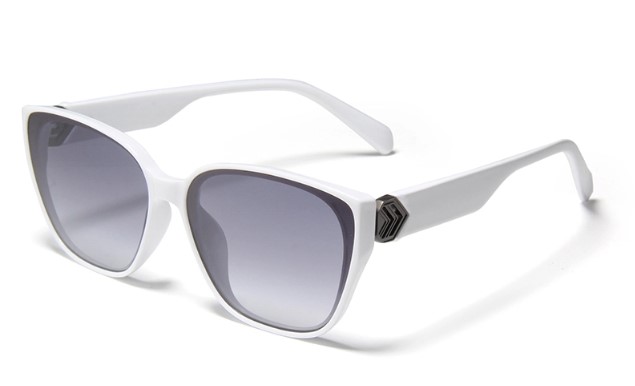
Growing brands need products that give customers a reason to remember them. Custom manufacturing allows businesses to create sunglasses around their own design concepts rather than relying entirely on generic wholesale styles.
Brands may customize details such as:
- Frame shapes
- Colors and finishes
- Lens tints
- Branding elements
- Hardware
- Temple designs
- Packaging
These details can help create a recognizable visual identity across an eyewear collection.
Start With Product Samples
Sampling offers small brands a practical way to evaluate an idea before committing to a larger production run.
A prototype allows the brand to inspect the frame shape, dimensions, materials, colors, lenses, logo placement, and overall comfort. Designers can then request adjustments before approving mass production.
This step can reduce the risk of discovering major design problems after manufacturing begins.
Manage Production More Efficiently
Small businesses may not have the equipment, workforce, or technical infrastructure required for in-house sunglasses manufacturing. A specialized factory provides access to established production processes.
The manufacturer handles stages such as frame preparation, component assembly, lens installation, finishing, and quality checks according to the agreed specifications.
This allows the brand to focus more attention on areas such as marketing, sales, customer service, and collection planning.
Support Different Order Sizes
Growing brands often experience changing demand. A business may start with a modest order and increase its quantities after customers respond positively to a collection.
Manufacturers can discuss minimum order quantities, production capacity, and repeat-order requirements with brands during the planning stage.
Understanding these terms helps a business choose quantities that match its current budget and expected sales.
Offer Material and Design Flexibility
Material selection can have a major impact on how sunglasses look and feel. Depending on the factory’s capabilities, brands may explore options such as acetate, TR90, metal, stainless steel, and other suitable materials.
Different materials can support different product positions. A fashion label may prefer distinctive finishes and bold frame designs, while an active collection may prioritize lightweight construction.
A knowledgeable manufacturing partner can help brands compare available options before finalizing a product specification.
Maintain Consistent Quality
Consistency becomes increasingly important as a brand grows. Customers expect sunglasses from the same collection to maintain similar dimensions, finishes, colors, and overall construction.
A defined production specification gives the factory a reference for manufacturing each batch. Quality checks can then compare finished products against the agreed requirements.
Consistent quality helps a growing brand build customer confidence and reduce avoidable product issues.
Make Branding Part of the Product
For a small eyewear business, branding should extend beyond a website or social media account. The sunglasses themselves can carry visual elements that reinforce the brand identity.
Manufacturers may support customization through logo placement, temple markings, lens details, packaging, cases, labels, and other components.
These elements give customers a more cohesive experience when they receive and use the finished product.
Help With Custom Packaging
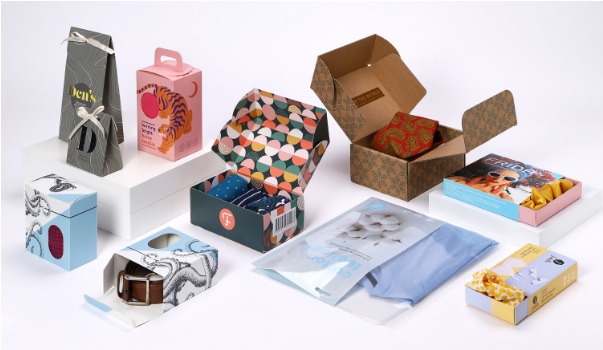
Packaging can play an important role for emerging brands that want their products to feel distinctive. Custom cases, boxes, cleaning cloths, labels, and inserts can complement the sunglasses themselves.
Discuss packaging early in the development process. Packaging requirements may involve separate materials, quantities, printing specifications, and production schedules.
Planning everything together helps prevent packaging from becoming an afterthought.
Provide a Path for Business Growth
A manufacturing relationship can evolve as an eyewear brand expands. Early projects may focus on testing a small collection, while later orders may involve more designs, larger quantities, or additional customization.
The manufacturer should understand the brand’s long-term direction and communicate clearly about production capabilities.
Eugenia Eyewear provides brands with an avenue to explore custom eyewear manufacturing as they develop and expand their product collections.
Reduce the Need for Multiple Suppliers
Managing several suppliers can create additional communication and coordination work. One manufacturer that handles multiple parts of the development process may simplify the workflow.
Depending on the factory’s capabilities, a brand may coordinate frame production, lenses, branding components, assembly, and packaging through one production partner.
Fewer supplier relationships can make project management easier, although brands should still evaluate each service and specification carefully.
Help Brands Plan Around Their Budget
Budget control matters when a business has limited resources. A factory can help brands understand how design choices, materials, quantities, customization, and packaging influence production costs.
Brands should compare different options rather than choosing specifications without considering their financial impact.
A practical approach involves balancing product quality, design goals, expected demand, and available investment.
What Should Small Brands Ask a Factory?
Before starting a manufacturing relationship, businesses should gather clear information about the production process.
Important questions include:
- What customization options do you offer?
- What minimum order quantities apply?
- How does the sampling process work?
- Which frame and lens materials are available?
- How do you handle quality control?
- What customization options exist for packaging?
- How long do sampling and production usually take?
- What information do you need before preparing a quotation?
Clear answers make it easier to compare manufacturers and select a suitable production partner.
Why Communication Matters
Small brands often need more guidance because they may have limited manufacturing experience. Clear communication helps both sides understand design expectations, production limitations, quantities, and deadlines.
Brands should provide accurate specifications and respond promptly during sample development. Manufacturers should explain technical concerns and production requirements clearly.
A collaborative relationship can make product development more efficient as the business grows.
Why Eugenia Eyewear Can Be Worth Exploring
Eugenia Eyewear gives growing brands an option to explore customized sunglasses production while developing products around their own specifications.
For businesses entering the eyewear market, having access to manufacturing support can make the transition from an initial product concept to a finished collection more manageable.
Final Thoughts
A custom sunglasses factory can support small and growing eyewear brands at several stages, from initial design development to sampling, production, branding, quality control, and packaging.
The biggest benefit comes from choosing a manufacturing partner that matches the brand’s current needs while offering enough flexibility for future growth. With clear specifications, realistic order planning, and consistent communication, emerging brands can build collections that reflect their identity and meet customer expectations.