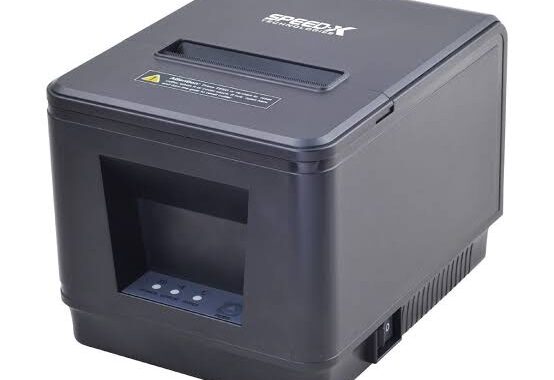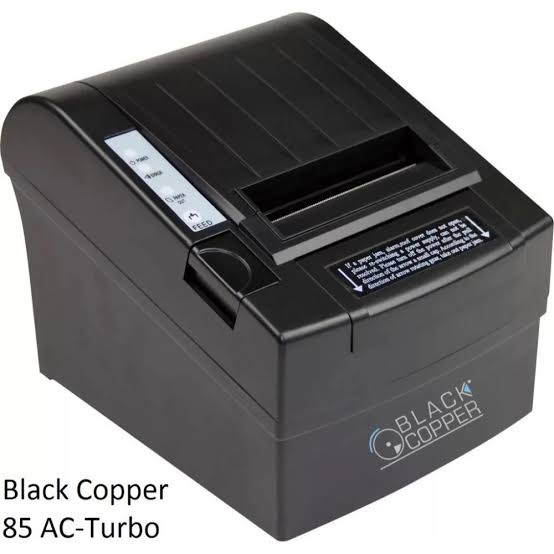
Thermal printers are essential tools for businesses that need reliable receipt, barcode, and label printing. They are widely used in retail stores, restaurants, warehouses, logistics operations, healthcare facilities, and manufacturing environments. When purchasing this equipment, businesses can choose between buying through distributors, resellers, or working directly with the company that produces the printers.
Partnering directly with a Thermal Printer Manufacturer can offer several advantages, particularly for businesses that purchase equipment in bulk, require customized products, or need long-term technical support. Direct communication with the production source can make it easier to discuss specifications, understand manufacturing capabilities, and coordinate orders. However, buyers should evaluate the manufacturer’s reliability and service capabilities before establishing a business relationship.
1. More Direct Communication
One of the main benefits of working directly with a manufacturer is having a clearer communication channel.
When businesses purchase through multiple intermediaries, technical questions and order-related information may need to pass through several parties. This can sometimes create delays or misunderstandings.
Direct communication allows buyers to discuss requirements with the company responsible for product development and production.
Topics can include:
- Product specifications and available models
- Printing speed and resolution
- Connectivity and software compatibility
- Customization requirements
- Production schedules
- Quality standards
- Technical documentation
This direct exchange can help both parties understand expectations before an order is confirmed.
2. Better Understanding of Product Specifications
Manufacturers generally have detailed knowledge of the products they design and produce. This can help buyers obtain more accurate information about technical capabilities and product limitations.
For example, businesses may need to understand whether a printer supports specific paper widths, label materials, barcode formats, or communication interfaces.
Direct discussions can clarify details such as:
- Printing method and resolution
- Maximum printing speed
- Supported media dimensions
- Paper-feeding mechanisms
- Cutter availability
- USB, Ethernet, Bluetooth, or Wi-Fi options
- Supported operating systems and printer commands
Having access to detailed specifications helps businesses select equipment that matches their actual operating requirements.
3. Potential Cost Advantages
Purchasing directly from a manufacturer may reduce the number of commercial intermediaries involved in a transaction.
Depending on the supplier’s pricing structure, order volume, and delivery arrangements, this can create opportunities for more competitive purchasing terms.
Businesses may also have greater flexibility when discussing bulk pricing, customized configurations, and recurring orders.
However, direct purchasing does not automatically guarantee the lowest total cost. Buyers should compare the complete quotation, including shipping, customs duties, packaging, taxes, warranty coverage, and after-sales services.
A fair comparison should consider the total cost of acquiring and operating the equipment rather than focusing only on the unit price.
4. Greater Flexibility for Customization
Standard thermal printers may not meet every business requirement. Some companies need customized branding, packaging, firmware, hardware configurations, or specific connectivity options.
Working directly with a manufacturer can make these discussions more straightforward because buyers can communicate their needs to the team responsible for production.
Possible customization options include:
- Company logos and product branding
- Customized packaging
- Housing colors and design elements
- Interface configurations
- Firmware adjustments
- Printing specifications
- Accessories and mounting arrangements
The manufacturer can assess whether the requested modifications are technically practical and explain any additional costs or production requirements.
5. Easier Access to OEM and ODM Services
Businesses developing their own printing product lines may need OEM or ODM manufacturing arrangements.
OEM services generally involve producing equipment according to a customer’s specifications, while ODM services may involve adapting an existing product design.
Working directly with the production company can help buyers coordinate important project stages, including:
- Defining product requirements.
- Reviewing available designs and configurations.
- Discussing engineering modifications.
- Preparing prototypes or samples.
- Testing and approving the product.
- Confirming production specifications.
- Arranging bulk manufacturing and delivery.
This can be useful for distributors, retailers, and businesses planning to sell thermal printers under their own brands.
6. Better Coordination of Bulk Orders
Large purchasing projects require careful coordination of production capacity, materials, quality inspections, packaging, and delivery schedules.
Direct cooperation gives buyers an opportunity to discuss these requirements with the company managing the manufacturing process.
Important topics may include minimum order quantities, production capacity, order specifications, batch consistency, and expected completion dates.
For businesses operating several branches or distribution centers, consistent equipment configurations can make installation, training, and maintenance easier.
Before placing a large order, buyers should request realistic production commitments and clarify how changes in order quantity or specifications may affect delivery.
7. More Visibility into Manufacturing and Quality Control
When purchasing directly, businesses may have more opportunities to learn about the production and inspection processes behind their equipment.
They can ask how the manufacturer selects components, manages assembly, tests finished printers, and handles defective products.
Relevant quality control procedures may include:
- Incoming component inspections
- Printhead performance evaluations
- Paper-feeding tests
- Cutter operation checks
- Connectivity testing
- Electrical safety assessments
- Final product inspections
Some manufacturers may also provide factory visits, production documentation, or pre-shipment inspection arrangements.
Greater visibility can help buyers make more informed decisions, although actual quality should still be verified through product samples and relevant inspection records.
8. Faster Technical Clarification
Thermal printer selection often involves technical questions that are not fully answered by product descriptions.
A business may need to confirm whether a particular model works with its POS software, supports a specific barcode format, or connects to existing network equipment.
Direct access to the manufacturer can make it easier to clarify these requirements.
For example, a logistics company may need information about label positioning and barcode readability, while a restaurant may want to confirm compatibility with its ordering system.
Manufacturers can explain supported functions and identify technical limitations before the buyer commits to a purchase.
9. More Efficient Problem Resolution
Problems can occur during installation, operation, or maintenance, even when products have undergone appropriate testing.
Working directly with a manufacturer may provide a more direct route for reporting product-related issues and obtaining technical explanations.
Support teams may help investigate:
- Paper jams
- Faded or uneven printing
- Connectivity failures
- Driver installation problems
- Cutter malfunctions
- Sensor errors
- Firmware issues
The manufacturer may also be able to identify whether a problem relates to the printer, consumables, configuration, or connected software.
The quality of this support depends on the supplier’s service arrangements, so buyers should confirm response times and available assistance before purchasing.
10. Improved Access to Spare Parts
Thermal printers contain components that may require replacement during their operating life.
Common examples include printheads, rollers, cutters, sensors, power adapters, and other mechanical or electronic parts.
Direct communication with the manufacturer can help businesses confirm which replacement components are available and whether they are compatible with specific printer models.
This is particularly useful for companies managing large fleets of printers.
Before entering a long-term agreement, buyers should ask about spare-part availability, ordering procedures, product support periods, and maintenance documentation.
11. More Predictable Long-Term Purchasing
Businesses that depend on thermal printing often need recurring supplies of equipment as they expand or replace older devices.
Direct relationships can help establish a more organized purchasing process.
Once product specifications and commercial terms are agreed upon, future orders may require less repeated discussion.
Long-term cooperation may also help manufacturers understand a customer’s expected demand and production preferences.
However, recurring orders should still be supported by written specifications, purchase agreements, and clear quality requirements to prevent changes between production batches.
12. Greater Opportunities for Product Development
Some businesses have printing requirements that change as their operations develop.
For example, a retailer may expand from basic receipt printing to integrated label printing, while a warehouse may need additional barcode capabilities as its inventory system becomes more advanced.
Direct communication with manufacturers can create opportunities to discuss new product configurations and technical improvements.
Manufacturers may provide information about updated models, available features, and possible engineering modifications.
Businesses should evaluate these developments according to practical needs rather than adopting new features simply because they are available.
13. Clearer Production and Delivery Coordination
A product order involves several stages beyond manufacturing, including component sourcing, assembly, inspection, packaging, and shipping.
When buyers work directly with the company responsible for production, they may be able to obtain more detailed information about these stages.
Useful questions include:
- When will production begin?
- How long will assembly take?
- When will quality inspections be completed?
- What packaging options are available?
- When will the order be ready for shipment?
- Which shipping methods can be arranged?
Clear coordination helps businesses plan inventory and communicate more accurately with their own customers.
Delivery estimates should always account for the destination, shipping method, customs procedures, and other possible delays.
14. Better Support for International Buyers
Businesses sourcing thermal printers from overseas manufacturers may need assistance with export documentation, product specifications, packaging, and shipping arrangements.
Direct communication can make it easier to discuss these requirements before an order is dispatched.
International buyers should clarify:
- Export documentation availability
- Applicable product certifications
- Shipping terms and responsibilities
- Packaging standards
- Warranty arrangements
- Import requirements in the destination country
It is important to verify that product certifications and documentation apply to the exact models being purchased and meet the requirements of the destination market.
15. Greater Control Over Product Requirements
Businesses sometimes need precise control over the technical and commercial details of their printing equipment.
Direct manufacturer discussions can help buyers define requirements before production begins.
These may include product model numbers, interface combinations, firmware versions, packaging specifications, accessories, and quality acceptance criteria.
Written approval of these details can reduce the risk of receiving products that differ from the original agreement.
For customized or large-volume projects, maintaining approved samples and detailed specifications is particularly important.
16. More Opportunities to Discuss Pricing and Payment Terms
A direct manufacturing relationship may create opportunities to discuss commercial arrangements according to order size, production complexity, and purchasing frequency.
Businesses may negotiate unit pricing, sample charges, tooling costs, payment schedules, and delivery arrangements.
However, buyers should avoid making decisions based solely on attractive quotations.
A complete commercial evaluation should also consider:
- Product quality
- Warranty coverage
- Customization charges
- Spare-part availability
- Technical support
- Shipping and insurance
- Payment security
- Delivery reliability
Clear written agreements help both parties understand their financial responsibilities.
17. Supporting Business Expansion
As companies grow, their printing requirements may increase or become more specialized.
A small retailer may initially need a few receipt printers but later require equipment for multiple locations. A logistics company may need additional label printers as shipment volumes rise.
Working directly with a manufacturer can make it easier to discuss future requirements, product availability, and larger production orders.
A suitable partner may also help businesses maintain consistent product specifications as they expand.
Buyers should evaluate whether the manufacturer’s production capacity and service infrastructure can support their expected growth.
18. How to Choose a Reliable Direct Manufacturing Partner
The benefits of direct purchasing depend on the quality and capabilities of the manufacturing company.
Before establishing a partnership, businesses should conduct a structured evaluation.
Review manufacturing experience: Examine the company’s background, product range, and experience with similar applications.
Request product samples: Test printing quality, media compatibility, connectivity, and overall construction.
Evaluate quality control: Ask about incoming inspections, assembly checks, and finished-product testing.
Check customization capabilities: Confirm whether the manufacturer can support required branding, firmware, and hardware changes.
Verify production capacity: Discuss minimum order quantities, manufacturing schedules, and bulk order arrangements.
Examine after-sales services: Review warranty terms, technical support, and spare-part availability.
Confirm commercial conditions: Obtain clear information about pricing, payment terms, shipping, and delivery responsibilities.
Taking these steps helps businesses distinguish between manufacturers that can provide genuine production support and suppliers whose capabilities may be more limited.
19. Potential Challenges of Direct Manufacturer Partnerships
Although direct purchasing offers several advantages, it may also involve challenges that buyers should consider.
Some manufacturers have minimum order quantities that are unsuitable for small businesses. International buyers may also need to manage shipping arrangements, customs clearance, communication across time zones, and payment risks.
Other potential challenges include:
- Longer lead times for customized products
- Limited local repair services
- Language or communication difficulties
- Requirements for larger inventory commitments
- Additional responsibility for import procedures
- Differences in warranty and return arrangements
These issues can often be managed through careful supplier evaluation, clear contracts, sample testing, and realistic purchasing plans.
In some situations, a local distributor may provide more convenient inventory access or faster on-site support. The best purchasing channel depends on the buyer’s order volume, location, and service requirements.
Conclusion
Working directly with a thermal printer manufacturer can provide businesses with clearer communication, detailed product information, customization opportunities, bulk order coordination, and more direct technical assistance. It can also create a foundation for long-term cooperation as printing requirements change and business operations expand.
However, direct purchasing is most beneficial when the manufacturer has suitable production capabilities, consistent quality control, reliable delivery arrangements, and effective after-sales support. By reviewing product samples, verifying specifications, discussing commercial terms, and documenting expectations, businesses can establish manufacturing partnerships that support their operational needs and long-term purchasing goals.