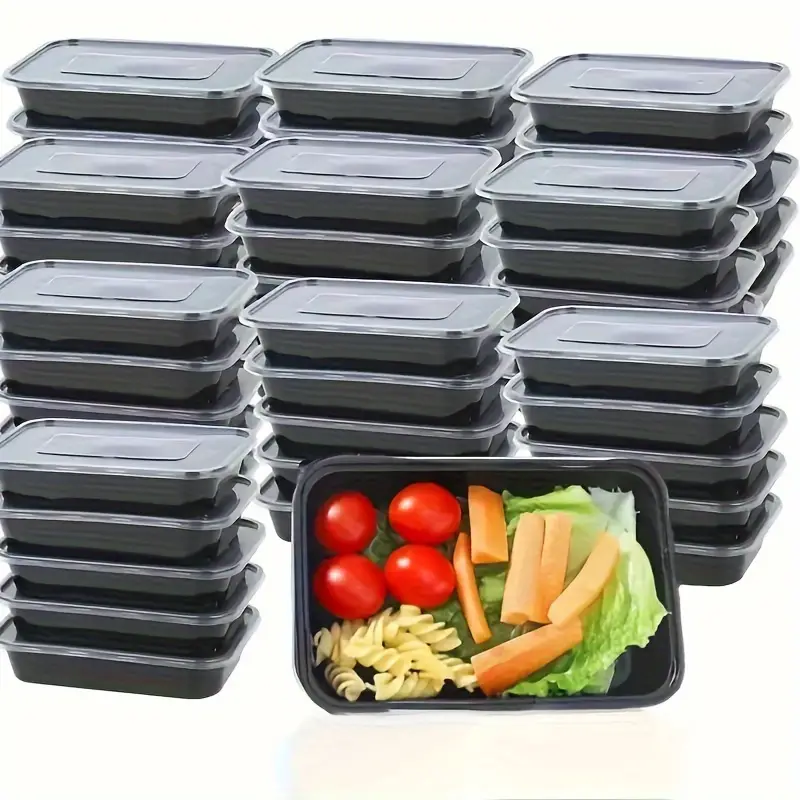
Proper storage and handling of food packaging are essential for maintaining product quality and ensuring food safety. Even high-quality containers can lose their effectiveness if they are stored incorrectly or handled without care. Businesses that purchase packaging in bulk should follow best practices to protect their investment and keep containers in excellent condition until they are ready for use.
When purchasing wholesale disposable food containers, it is important to choose products from reliable suppliers that maintain consistent quality standards. Companies such as LRpacking provide durable packaging solutions, but proper storage and handling remain essential for preserving product performance throughout their lifecycle.
Store Containers in a Clean Environment
Disposable food containers should always be stored in a clean, dry location that is protected from dust, moisture, and contaminants. Keeping the storage area organized helps maintain hygiene and ensures the containers remain suitable for food contact.
Avoid placing packaging directly on the floor by using shelves or pallets to reduce the risk of contamination.
Protect from Direct Sunlight
Extended exposure to direct sunlight and excessive heat can affect the quality of plastic food containers. High temperatures may weaken the material or cause slight deformation over time.
Store containers in a cool, shaded environment with stable temperatures to help preserve their durability and appearance.
Handle Packaging Carefully
Although disposable containers are designed to be durable, rough handling can damage their structure. Dropping heavy boxes or stacking excessive weight on top of stored containers may lead to cracks or misshapen products.
Proper handling helps maintain the integrity of both the containers and their matching lids.
Keep Products in Original Packaging
Leaving containers in their original packaging until they are needed helps protect them from dirt, moisture, and accidental damage during storage.
Original packaging also makes inventory management easier by keeping products organized and clearly labeled.
Rotate Inventory Regularly
Following a first-in, first-out (FIFO) inventory system helps ensure older stock is used before newly received products. This practice reduces long-term storage and helps maintain product quality.
Effective inventory rotation also minimizes waste and improves warehouse organization.
Maintain Hygienic Handling Practices
Employees should follow proper hygiene procedures whenever handling disposable food containers to reduce the risk of contamination.
Good handling practices include:
- Washing hands before handling packaging
- Keeping storage areas clean
- Protecting containers from moisture
- Avoiding unnecessary contact with food-contact surfaces
- Inspecting damaged packaging before use
These simple measures help maintain high food safety standards.
Inspect Containers Before Use
Before packaging food, containers should be checked for visible damage such as cracks, broken lids, or contamination. Inspecting products before use ensures only containers in good condition are used for food service.
Regular inspections can also identify storage issues before they affect larger quantities of packaging.
Train Staff on Proper Storage Procedures
Employees responsible for inventory should understand the correct storage and handling procedures for disposable food containers. Proper training helps prevent accidental damage and promotes consistent food safety practices throughout daily operations.
Well-trained staff also contribute to better inventory management and reduced product waste.
Conclusion
Proper storage and handling play a vital role in preserving the quality and safety of wholesale disposable food containers. By storing packaging in clean, dry conditions, protecting it from heat, rotating inventory, and following hygienic handling practices, businesses can maximize product performance and maintain high food safety standards. These simple yet effective practices help ensure reliable packaging solutions while supporting efficient day-to-day operations.