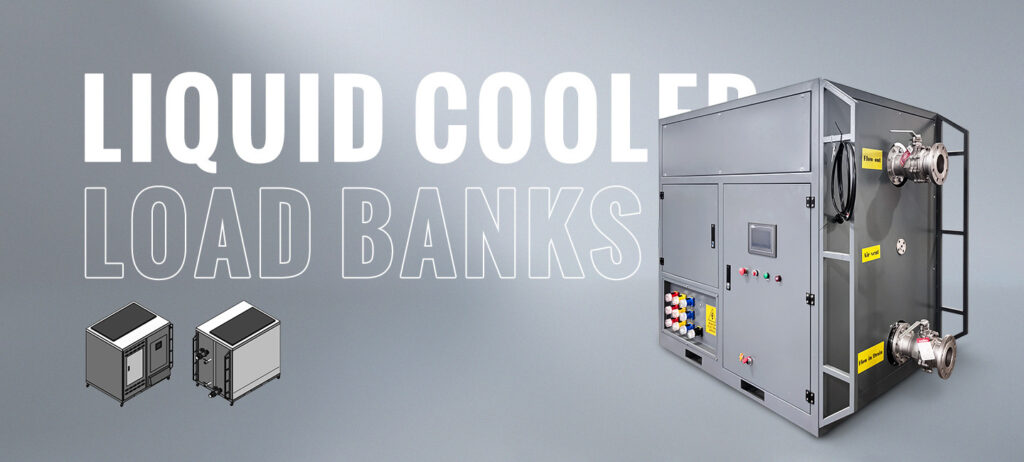
Choosing the right load bank equipment manufacturer is an important decision for businesses that rely on dependable power systems. Load banks are essential for testing generators, UPS systems, batteries, turbines, and other electrical equipment to ensure they perform reliably during actual operating conditions. One of the most common questions buyers face is whether to work with a local manufacturer or an international one.
Both options have their advantages, and the right choice depends on your project requirements, budget, technical expectations, and long-term support needs. Understanding the differences can help you make a more informed investment.
Understanding Local Manufacturers
Local manufacturers operate within your country or region, making communication, logistics, and service more accessible. They often have a better understanding of local regulations, environmental conditions, and customer expectations.
Many businesses choose local suppliers because they can provide faster support and shorter delivery times.
Advantages of Local Manufacturers
Faster Delivery
Since products are manufactured closer to your location, transportation takes less time. This is especially valuable for projects with tight schedules or urgent equipment requirements.
Easier Communication
Working within the same time zone often makes communication more efficient. Customers can quickly discuss specifications, production updates, technical questions, and service requirements.
Quick Technical Support
If installation assistance or maintenance is required, local manufacturers can usually respond more quickly than overseas suppliers.
Lower Shipping Costs
Domestic transportation generally costs less than international freight, reducing overall purchasing expenses.
Better Understanding of Local Standards
Local manufacturers are familiar with regional electrical regulations, safety requirements, and environmental conditions, allowing them to design products that comply with local expectations.
Limitations of Local Manufacturers
Although local suppliers offer several advantages, some may have:
- Smaller product portfolios
- Limited customization options
- Lower production capacity
- Fewer advanced technology features
- Less international project experience
These limitations vary depending on the manufacturer.
Understanding International Manufacturers
International manufacturers often serve customers worldwide and typically have extensive experience across multiple industries and markets.
A professional load bank equipment manufacturer operating globally usually invests heavily in engineering, research, manufacturing technology, and product development.
Advantages of International Manufacturers
Advanced Engineering Expertise
International manufacturers often employ experienced engineering teams capable of designing sophisticated load bank solutions for complex applications.
Wide Product Selection
Global manufacturers typically offer:
- AC load banks
- DC load banks
- Resistive load banks
- Reactive load banks
- Combined load banks
- Portable systems
- Stationary systems
- Containerized solutions
A larger product range makes it easier to find equipment that matches specific operational requirements.
Greater Customization
International suppliers often provide extensive customization options, including:
- Custom voltage ratings
- Higher power capacities
- Specialized control systems
- Remote monitoring
- Intelligent automation
- Industry-specific designs
This flexibility is especially beneficial for large industrial projects.
Advanced Technology
Leading international manufacturers continuously invest in research and development.
Modern equipment may include:
- Digital touchscreen controls
- PLC-based automation
- Real-time monitoring
- Remote operation
- Automated testing sequences
- Data logging and reporting
These features improve testing accuracy, efficiency, and ease of operation.
Large Manufacturing Capacity
International manufacturers often operate advanced production facilities capable of handling both standard and customized orders while maintaining consistent quality.
Challenges of International Manufacturers
Working with overseas suppliers may involve:
- Longer shipping times
- Higher transportation costs
- Import regulations and customs procedures
- Time zone differences
- More complex logistics
However, experienced international manufacturers often have established export processes that help minimize these challenges.
Key Factors to Consider
When comparing a local and international load bank equipment manufacturer, consider the following:
Product Quality
Choose a manufacturer known for high-quality materials, reliable engineering, and strict quality control processes.
Technical Expertise
Evaluate the manufacturer’s experience with projects similar to yours.
Customization
Ensure the manufacturer can meet your specific voltage, power capacity, installation, and control system requirements.
Customer Support
Reliable after-sales service is essential. Consider installation assistance, maintenance support, spare parts availability, and technical troubleshooting.
Delivery Timeline
If your project has strict deadlines, shipping and production schedules should be carefully evaluated.
Total Cost of Ownership
Do not focus only on the initial purchase price. Consider maintenance costs, equipment lifespan, reliability, and long-term operating expenses.
Which Option Is Better?
There is no single answer that fits every business.
A local load bank equipment manufacturer may be the better choice if you prioritize faster delivery, local support, and simplified communication.
An international manufacturer may be more suitable if you require advanced technology, extensive customization, larger production capacity, or specialized engineering expertise.
The best decision depends on your operational requirements, project complexity, and long-term business goals.
Conclusion
Both local and international load bank equipment manufacturer options offer valuable advantages. Local manufacturers excel in responsiveness, delivery speed, and regional support, while international manufacturers often provide broader product ranges, advanced technology, greater customization, and extensive engineering expertise. By carefully evaluating product quality, manufacturing capabilities, customer support, innovation, delivery timelines, and long-term value, businesses can confidently choose the manufacturer that best supports their power testing needs and ensures reliable performance for years to come.