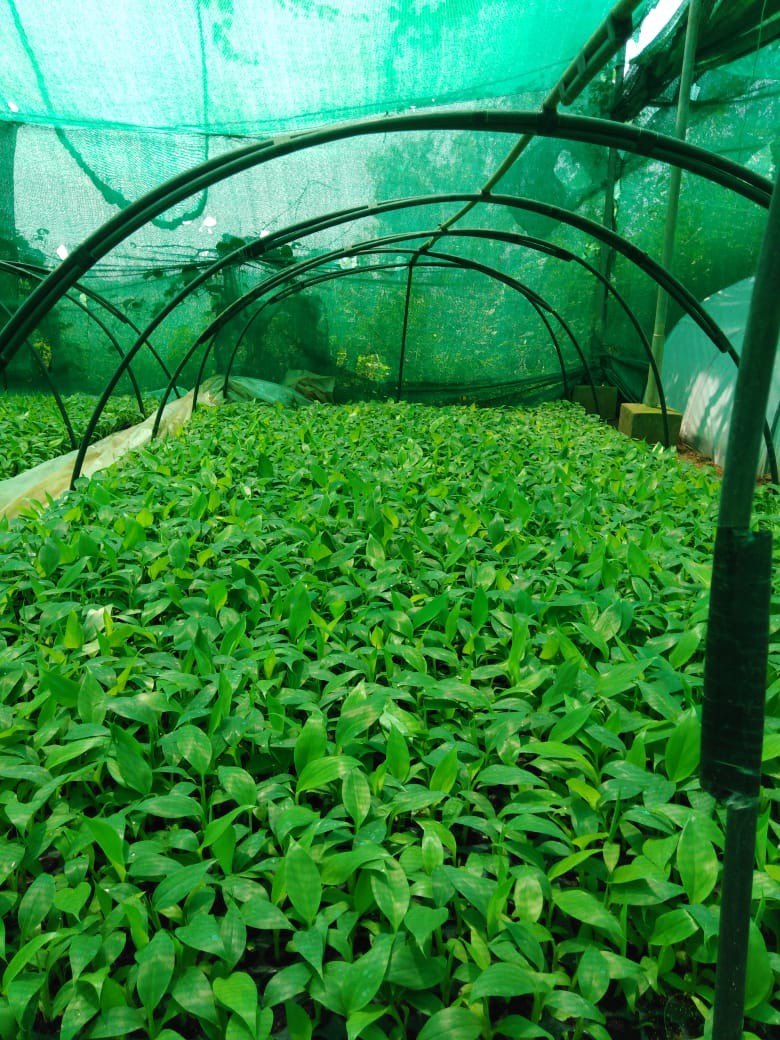
Effective inventory planning is essential when purchasing plants in bulk. Unlike many conventional nursery products, tissue culture plants may require specific handling, acclimatization, growing space, and carefully timed planting schedules after delivery.
When purchasing Wholesale Tissue Culture Plants, growers should estimate demand, production capacity, delivery times, and expected plant losses before confirming an order. A structured inventory plan can help prevent both shortages and unnecessary excess.
Estimate Your Planting Requirements
The first step is to determine how many plants are actually needed for the upcoming production cycle. Consider the available growing area, planting density, crop schedule, and expected sales volume.
It is useful to separate current requirements from future demand. Ordering based only on long-term projections can result in plants arriving before adequate growing space or resources are available.
Account for Acclimatization Losses
Tissue culture plants may need an acclimatization period after leaving controlled laboratory conditions. During this transition, some plants may experience stress or fail to establish.
When calculating inventory, growers can include a reasonable operational allowance based on their previous experience and growing conditions. The exact allowance will vary by crop, facility, handling practices, and environmental control.
Consider Lead Times
Inventory planning should account for the time between placing an order and receiving plants. Production schedules, plant development, order preparation, documentation, and transportation can all affect delivery timing.
A simple inventory timeline can include:
- Expected planting date
- Required plant quantity
- Preferred delivery date
- Supplier production lead time
- Acclimatization period
- Final transplanting date
Planning these stages together helps reduce scheduling conflicts.
Match Orders With Available Growing Space
Before placing a wholesale order, confirm that sufficient greenhouse, nursery, or acclimatization space will be available when the plants arrive.
Overcrowding can make it more difficult to provide appropriate light, ventilation, irrigation, and humidity management. Inventory should therefore be linked directly to the physical capacity of the growing facility.
Track Different Plant Stages Separately
Inventory records should distinguish between newly received plantlets, plants undergoing acclimatization, established plants, and material ready for final planting.
Separating these stages provides a clearer picture of usable inventory. It also prevents growers from treating recently received plants as immediately ready for production.
Maintain a Small Safety Stock
A safety stock can provide flexibility when demand changes or unexpected losses occur. However, the appropriate amount depends on the crop, replacement lead time, production schedule, and storage or growing capacity.
The goal is to maintain enough reserve material to manage normal uncertainty without creating unnecessary surplus.
Monitor Supplier Reliability
Inventory planning also depends on reliable information from the supplier. Buyers should consider production lead times, historical delivery consistency, batch sizes, plant specifications, and communication practices.
For example, Young Plants can be assessed alongside other suppliers by reviewing whether its production and delivery information aligns with the buyer’s inventory requirements.
Plan Around Seasonal Demand
Some crops experience predictable increases in demand during particular planting or sales periods. Inventory should be planned far enough ahead to account for these seasonal changes.
Reviewing previous sales records can help identify recurring demand patterns and determine when orders should be placed.
Use Inventory Records to Improve Future Orders
After each shipment, record the quantity received, plant condition, acclimatization results, establishment rate, and final usable quantity.
Comparing these figures with the original order can reveal patterns that improve future purchasing decisions. Over time, accurate records can help growers establish more realistic order quantities and safety-stock levels.
Final Thoughts
Planning inventory for wholesale tissue culture purchases requires coordination between demand, production space, delivery schedules, acclimatization, and expected plant losses. A clear inventory system helps growers know not only how many plants to order, but also when those plants will be needed and how they will be managed after arrival.
By reviewing historical data and adjusting orders according to actual production results, commercial growers can develop a more predictable and efficient approach to tissue culture plant inventory.