Sealing is one of the most important stages in water-soluble film packaging. A pouch may be correctly formed and accurately filled, but an inconsistent seal can affect its strength, appearance, storage stability, and ability to contain the product properly.
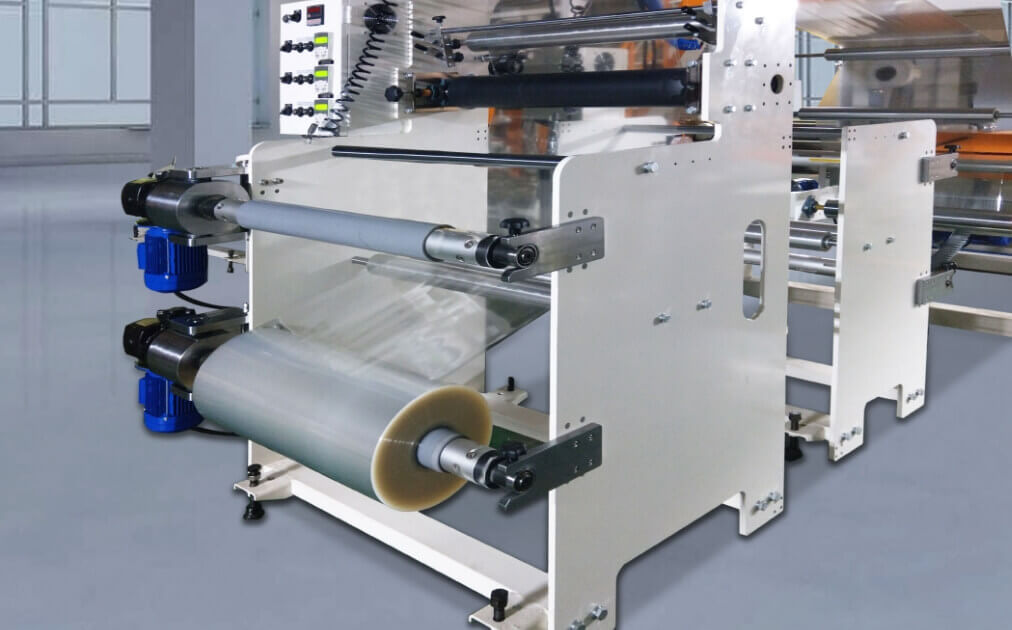
A properly configured Water Soluble Film Packaging Machine coordinates film positioning, filling, sealing, and cutting to produce consistent packages. POLYVA equipment can be configured around the characteristics of the selected film and product, helping manufacturers maintain controlled sealing conditions throughout production.
Why Sealing Quality Matters
The seal creates the boundary that keeps the packaged material inside the pouch. If the seal is too weak, incomplete, or inconsistent, the package may fail during handling or storage.
Reliable sealing also contributes to consistent pouch appearance. Uniform seams can make packages easier to inspect and help identify defects during quality-control checks.
How Sealing Works
The exact sealing process depends on the machine design and film specification. In general, the sealing system brings compatible film surfaces together under controlled conditions.
The machine must apply the appropriate combination of factors needed to create a stable seal. These may include:
- Sealing temperature
- Pressure
- Contact time
- Film alignment
- Sealing surface condition
- Machine speed
The correct combination varies according to the film and packaging application.
The Importance of Film Compatibility
Not all water-soluble films behave identically during sealing. Differences in thickness, composition, moisture content, and other material characteristics can affect how the film responds to the sealing process.
For this reason, sealing parameters should be established based on the actual film being used. A setting suitable for one material may not produce the same result with another specification.
Temperature and Seal Formation
Temperature can have a major influence on sealing performance. If the temperature is too low for the selected film, the seal may not form properly. Excessive heat may also negatively affect the film or surrounding package area.
Maintaining a stable sealing temperature helps reduce variation between pouches. Temperature monitoring is particularly important during long production runs.
Sealing Pressure
Pressure helps bring the film surfaces into the required contact during sealing. Insufficient pressure may result in incomplete bonding, while excessive pressure can potentially deform or damage the film.
The appropriate pressure depends on the machine design and material characteristics. Consistent pressure across the sealing area is important for repeatable results.
Contact Time and Machine Speed
The amount of time the film remains under sealing conditions can influence the final seal. Machine speed therefore needs to be considered together with sealing parameters.
When production speed changes, the sealing system may require adjustment. Increasing speed without verifying sealing performance can lead to inconsistent results.
Film Alignment
Correct alignment is essential for creating uniform seals. If film layers are shifted or positioned incorrectly, the sealing area may become uneven.
Controlled film feeding and accurate positioning help keep the sealing surfaces where they should be. Operators should also inspect guides and film-handling components for signs of misalignment.
Seal Contamination
Product particles or liquid can sometimes interfere with the sealing area. When material becomes trapped between film layers, it may prevent proper contact and create a weak point.
Accurate filling and appropriate pouch positioning can help reduce this risk. Keeping sealing surfaces and surrounding machine components clean is also important.
How Film Thickness Influences Sealing
Film thickness can affect heat transfer, mechanical strength, and sealing behavior. Thicker films may require different processing conditions from thinner films.
Manufacturers should therefore avoid assuming that the same machine parameters will work for every film thickness. Testing and adjustment can help establish suitable settings for the selected material.
Environmental Conditions
Water-soluble film can be sensitive to environmental moisture. Changes in humidity may influence film handling and, depending on the material, its sealing behavior.
Maintaining appropriate storage and production conditions helps keep film characteristics more stable. This can make the sealing process easier to control.
Detecting Seal Problems
Quality checks can help identify sealing problems early. Operators may examine pouches for visible defects and perform appropriate integrity or strength checks based on the product requirements.
Common signs of sealing problems include:
- Uneven seal lines
- Open or partially sealed areas
- Wrinkles across the sealing zone
- Product trapped in the seam
- Film damage near the seal
- Differences between individual pouch seals
Identifying these issues early can prevent large quantities of defective packages.
Maintaining Sealing Equipment
Sealing components should be inspected regularly because wear and contamination can affect performance. Damaged surfaces, buildup, or mechanical misalignment may result in inconsistent seals.
Routine cleaning, inspection, and replacement of worn components can help keep the sealing process stable and reduce unexpected production interruptions.
Balancing Speed and Quality
Higher production speed can increase output, but speed should not compromise seal reliability. A packaging line needs to operate within conditions where forming, filling, and sealing remain synchronized.
Finding an appropriate operating range can help manufacturers achieve efficient production while maintaining the required level of package integrity.
Improving Sealing Consistency
A systematic approach can help improve sealing performance:
- Use film that is compatible with the equipment.
- Establish parameters through controlled testing.
- Keep film properly stored and handled.
- Maintain accurate film alignment.
- Prevent product contamination in sealing areas.
- Monitor sealing conditions during production.
- Perform preventive maintenance.
These practices help create a more predictable packaging process.
Conclusion
Sealing technology has a direct influence on the quality and reliability of water-soluble film packaging. Temperature, pressure, contact time, film alignment, material properties, and environmental conditions all contribute to the final seal.
By matching sealing parameters to the selected film and maintaining the packaging equipment properly, manufacturers can produce more consistent pouches, reduce seal-related defects, and support reliable high-volume production.