Commercial spaces such as bars, restaurants, hotels, and cafés require furniture that delivers both visual appeal and practical performance. Unlike residential furniture, commercial pieces must handle frequent use, changing customer needs, and demanding environments while maintaining their appearance.
A skilled bar furniture manufacturer focuses on creating furniture that combines style, comfort, and durability. Through careful design planning, quality materials, and efficient production methods, manufacturers develop solutions that help businesses create attractive and functional hospitality spaces.
Understanding Commercial Furniture Requirements
Before production begins, manufacturers study the specific needs of commercial environments. Furniture must support daily operations while matching the overall design concept of the venue.
Important considerations include:
- Customer traffic levels
- Available floor space
- Seating capacity
- Interior design style
- Maintenance requirements
- Expected product lifespan
Understanding these factors allows manufacturers to create furniture that performs well in real-world conditions.
Designing Furniture for Functionality
Functionality is a key priority in commercial furniture design. A beautiful piece must also be practical, comfortable, and suitable for everyday use.
Manufacturers focus on elements such as:
- Proper seating height
- Stable construction
- Space efficiency
- Easy maintenance
- User comfort
Well-designed furniture improves customer experiences while helping businesses operate more efficiently.
Creating Stylish Designs for Different Concepts
Every hospitality business has its own personality. Furniture design helps communicate the identity of a venue and create a memorable atmosphere.
Manufacturers develop styles that suit different concepts, including:
- Modern minimalist bars
- Luxury lounges
- Industrial-style restaurants
- Traditional pubs
- Contemporary cafés
Through careful selection of shapes, colors, and materials, furniture can enhance the overall interior design.
Choosing Durable Materials
Material selection directly affects both the appearance and lifespan of commercial furniture. Manufacturers choose materials based on performance, aesthetics, and maintenance needs.
Common materials include:
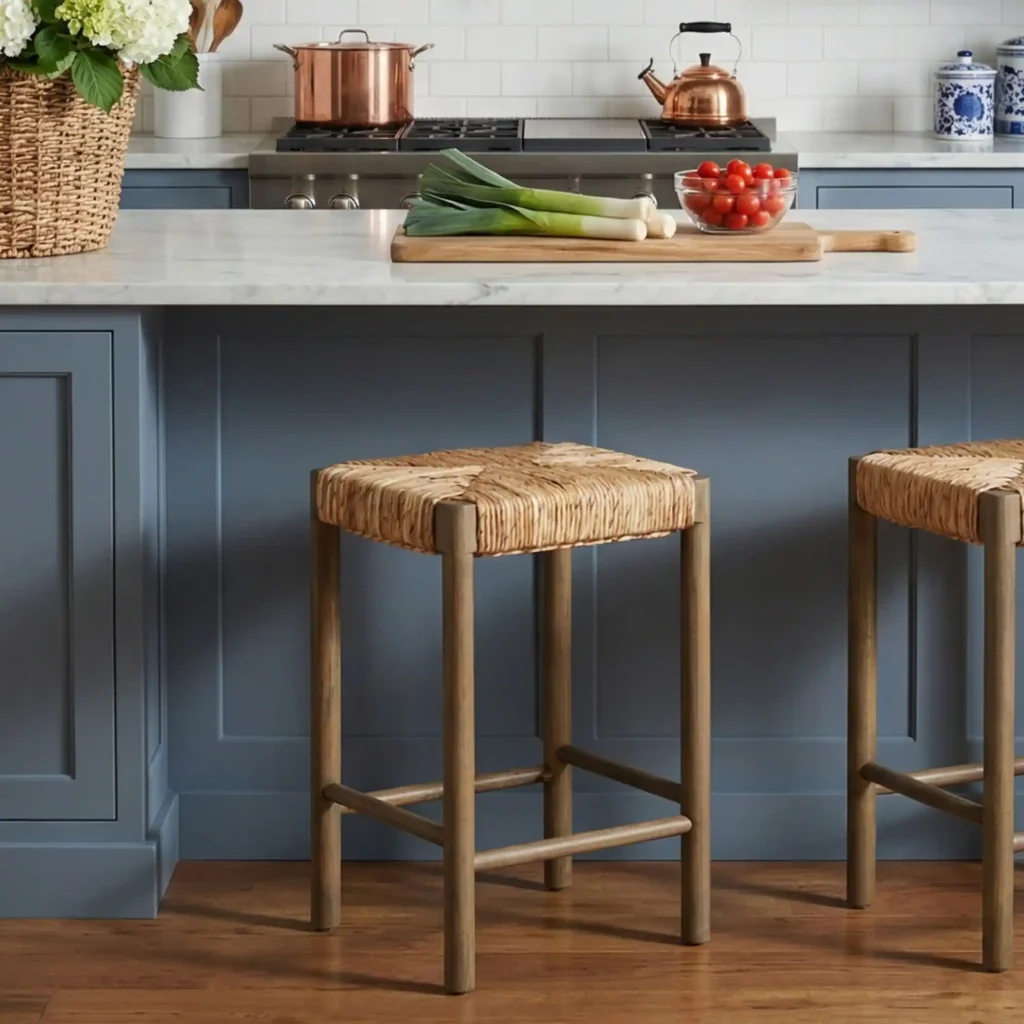
- Solid wood for warmth and elegance
- Metal for strength and modern appeal
- High-quality upholstery for comfort
- Glass for contemporary designs
- Weather-resistant materials for outdoor areas
The right combination of materials helps furniture remain attractive and functional for years.
Balancing Comfort and Visual Appeal
Customer comfort is essential in hospitality environments. Furniture that looks impressive but feels uncomfortable can negatively affect the customer experience.
Manufacturers improve comfort through:
- Ergonomic designs
- Supportive backrests
- Quality cushioning
- Proper seat proportions
- Comfortable finishes
Balancing comfort with appearance allows businesses to create spaces that customers enjoy spending time in.
Using Customization to Meet Business Needs
Commercial projects often require unique furniture solutions. Custom manufacturing allows businesses to create furniture that fits their specific space and branding requirements.
Customization options may include:
- Custom dimensions
- Special colors
- Unique materials
- Personalized finishes
- Customized seating arrangements
This flexibility helps businesses achieve a distinctive interior design.
Applying Advanced Manufacturing Techniques
Modern production methods allow manufacturers to create furniture with greater accuracy and consistency.
Advanced techniques may include:
- Computer-aided design
- Precision cutting
- Automated production equipment
- Detailed finishing processes
These technologies improve efficiency while maintaining high-quality standards.
Ensuring Quality Through Testing
Quality control ensures that commercial furniture meets performance expectations before delivery. Manufacturers inspect products throughout the production process.
Testing may include:
- Material inspection
- Structural testing
- Stability checks
- Surface evaluation
- Final quality review
These procedures help prevent defects and ensure reliable performance.
Supporting Large Commercial Projects
Hotels, restaurant groups, and large venues often require furniture in significant quantities. Manufacturers must be able to maintain consistency across large orders.
Important capabilities include:
- High production capacity
- Reliable timelines
- Consistent designs
- Efficient logistics
- Professional communication
Strong project management helps businesses complete their interiors successfully.
Final Thoughts
Creating functional and stylish commercial furniture requires a combination of creative design, technical expertise, and careful manufacturing. Professional manufacturers focus on understanding business needs, selecting suitable materials, and applying reliable production methods.
By choosing a manufacturer that prioritizes both style and functionality, hospitality businesses can invest in furniture that enhances their spaces, improves customer comfort, and provides long-term value.