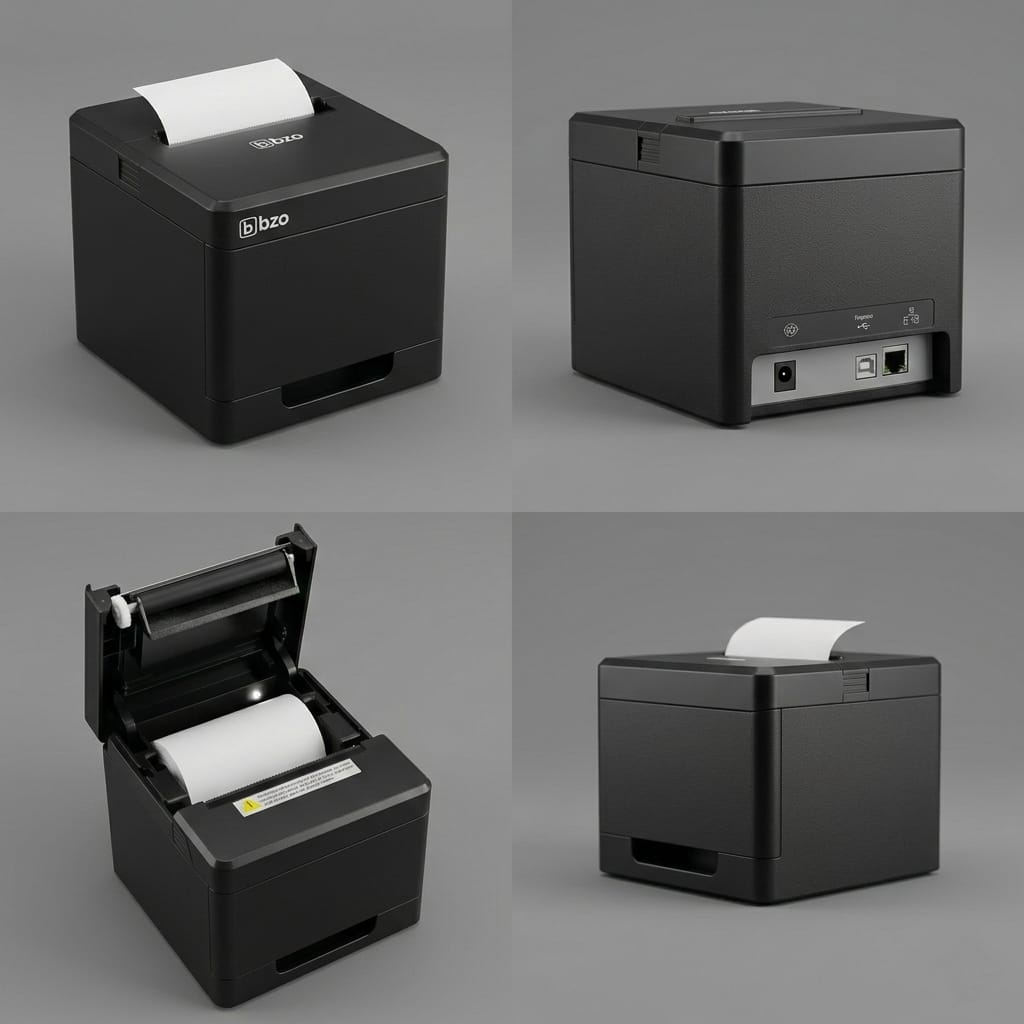
Choosing the right receipt printer supplier is a critical decision for businesses that depend on efficient and reliable point-of-sale operations. A dependable supplier can provide quality products, responsive technical support, and long-term value, while the wrong choice may result in compatibility issues, increased maintenance costs, and operational downtime. Understanding the common mistakes businesses make can help ensure a smarter purchasing decision.
Partnering with a trusted Receipt Printer Supplier involves more than finding the lowest price. Businesses should carefully evaluate product quality, industry experience, customer support, and long-term reliability to ensure they receive equipment that supports both current operations and future growth.
Choosing Based Only on Price
One of the most common mistakes is selecting a supplier solely because they offer the lowest price.
While staying within budget is important, lower-cost products may come with disadvantages such as:
- Reduced durability
- Limited technical support
- Lower-quality components
- Shorter product lifespan
Considering the total value of the purchase often leads to better long-term results.
Ignoring Product Quality
Not all receipt printers are manufactured to the same standards.
Businesses should evaluate whether the supplier offers products with:
- Fast printing performance
- Clear print quality
- Reliable paper feeding
- Durable print heads
- Strong overall construction
High-quality equipment helps reduce maintenance and improves daily productivity.
Overlooking POS System Compatibility
Receipt printers must integrate smoothly with existing hardware and software.
Before purchasing, confirm compatibility with:
- Windows
- Linux
- Android
- iOS
- POS software
- Payment terminals
Ignoring compatibility can lead to installation delays and additional expenses.
Not Checking Connectivity Options
Modern businesses often require flexible connectivity for different operating environments.
Look for suppliers offering printers with:
- USB
- Ethernet
- Bluetooth
- Wi-Fi
- Serial interfaces
Selecting suitable connectivity options ensures easier integration and future flexibility.
Failing to Evaluate Technical Support
Technical support becomes especially important if installation or operational issues arise.
Reliable suppliers should provide:
- Installation guidance
- Driver downloads
- Firmware updates
- Troubleshooting resources
- Responsive customer service
Strong after-sales support minimizes downtime and keeps business operations running efficiently.
Ignoring Warranty Coverage
Warranty terms can vary significantly between suppliers.
Before making a purchase, review:
- Warranty duration
- Covered components
- Repair procedures
- Replacement policies
- Service availability
Comprehensive warranty coverage provides added confidence and helps control repair costs.
Not Researching Supplier Experience
Industry experience often reflects a supplier’s ability to understand business needs and recommend appropriate products.
Experienced suppliers typically offer:
- Better product knowledge
- Practical purchasing advice
- Established industry relationships
- Proven customer support
Working with an experienced supplier can simplify the purchasing process.
Overlooking Delivery and Inventory
Businesses may occasionally need replacement printers or additional units on short notice.
Evaluate suppliers based on:
- Product availability
- Inventory management
- Delivery reliability
- Order processing efficiency
Reliable supply chains help prevent unnecessary operational interruptions.
Ignoring Future Business Growth
Many businesses purchase equipment based only on current needs.
Instead, consider whether the supplier can support future expansion through:
- Additional printer models
- Higher-capacity solutions
- Network-enabled devices
- Product upgrades
- Replacement accessories
Planning ahead helps avoid replacing suppliers as your business grows.
Not Comparing Multiple Suppliers
Selecting the first supplier without comparing alternatives can result in missed opportunities.
When comparing suppliers, evaluate:
- Product quality
- Technical support
- Warranty coverage
- Customer reviews
- Industry experience
- Long-term value
A structured comparison often leads to better purchasing decisions.
Overlooking Total Cost of Ownership
The purchase price is only one part of the overall investment.
Additional costs may include:
- Maintenance
- Repairs
- Replacement parts
- Downtime
- Energy consumption
Evaluating total ownership costs provides a more accurate understanding of long-term value.
Questions to Ask Before Choosing a Supplier
Before making your final decision, ask:
- Are the printers compatible with our POS system?
- What warranty coverage is included?
- What technical support services are available?
- How quickly can replacement units be supplied?
- Do you provide firmware updates and drivers?
- What industries do your products commonly serve?
- Can your product range support future business growth?
These questions help determine whether the supplier is equipped to meet your operational requirements.
Conclusion
Choosing a receipt printer supplier requires careful evaluation beyond pricing alone. Businesses should consider product quality, compatibility, technical support, warranty coverage, delivery capabilities, and long-term scalability before making a purchasing decision.
By avoiding these common mistakes and taking a comprehensive approach to supplier selection, businesses can establish a reliable partnership that delivers dependable printing solutions, supports efficient operations, and provides lasting value as business needs continue to evolve.