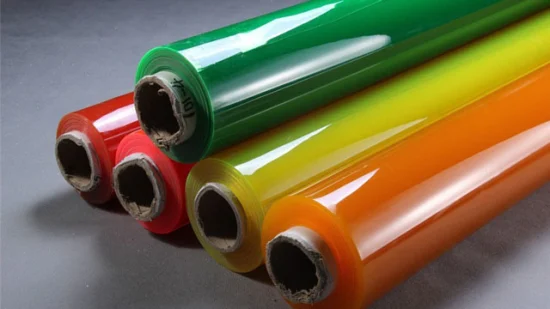
PVC film is an important material in many industries, including packaging, construction, printing, furniture, and manufacturing. Its flexibility, durability, and availability in different thicknesses and finishes make it suitable for a wide range of commercial applications. However, the performance of the final product often depends on the quality and consistency of the PVC film being used.
Choosing the right supplier is therefore an important part of an effective procurement strategy. When evaluating PVC Film Suppliers, businesses should consider more than product availability and quoted prices. Manufacturing capabilities, quality standards, customization options, delivery schedules, and customer support all influence whether a supplier can meet long-term business requirements.
Here are ten essential factors to evaluate before making your selection.
1. Product Quality and Material Consistency
Product quality should be the first consideration when comparing suppliers. PVC film with inconsistent thickness, uneven surfaces, poor flexibility, or color variations can create difficulties during processing and affect the appearance of finished products.
Ask suppliers how they maintain consistency between production batches. Their quality control procedures should cover raw materials, manufacturing conditions, and final inspection.
Requesting product samples is also a practical way to evaluate quality before committing to a large order. Test the samples using your actual production methods whenever possible.
2. Range of Available PVC Film Products
Different applications require different material characteristics. A supplier with a broad product range can make it easier to source suitable films as your business needs evolve.
Check whether the supplier offers:
- Rigid and flexible PVC films.
- Transparent, translucent, and opaque films.
- Different thicknesses and roll widths.
- Glossy, matte, embossed, and textured finishes.
- Various colors and surface treatments.
- Films designed for specific industrial or commercial uses.
A suitable product range allows buyers to compare material options without compromising important application requirements.
3. Manufacturing Experience and Technical Expertise
A supplier’s industry experience can indicate how familiar it is with material specifications, production challenges, and customer requirements.
Experienced manufacturers may have established processes for handling different PVC formulations and producing films with specific physical properties. They may also be better prepared to discuss technical questions and recommend appropriate materials.
Ask about the supplier’s manufacturing background, production equipment, and experience serving businesses in your industry. Focus on capabilities that directly relate to your intended application.
4. Quality Certifications and Compliance
Certifications and compliance documents can help businesses assess whether a supplier follows recognized quality management practices.
Depending on the application, buyers may need documentation related to quality management, material composition, product safety, or regulatory compliance. Requirements can differ significantly between industries and destination markets.
Request relevant certificates, test reports, and technical data sheets. Make sure the documentation applies to the specific PVC film being purchased rather than relying on general company claims.
5. Customization and Product Flexibility
Standard PVC film specifications may not always meet a business’s production requirements. Customization can be important when a product needs a particular thickness, width, color, texture, or surface finish.
Before selecting a supplier, confirm whether it can accommodate customized orders. Discuss available options, minimum quantities, sample approval procedures, and any additional production costs.
A supplier with flexible manufacturing capabilities can help businesses respond to changing product designs and specialized customer requirements.
6. Competitive and Transparent Pricing
Pricing is an important part of supplier selection, but the lowest quotation should not automatically determine the final decision.
Compare quotations based on equivalent specifications. A meaningful comparison should include material grade, thickness, roll dimensions, order quantity, packaging, and shipping costs.
It is also useful to understand whether prices may change with raw material costs or order volumes. Transparent quotations make budgeting easier and help prevent unexpected expenses.
Evaluate the total cost of ownership, including material waste, processing efficiency, product lifespan, and replacement frequency.
7. Production Capacity and Order Management
A supplier must have sufficient production capacity to handle your required order quantities within an acceptable timeframe.
This is particularly important for businesses with regular purchasing schedules or seasonal demand. Limited production capacity may result in delayed shipments, inventory shortages, and interruptions to manufacturing operations.
Ask about normal production lead times, monthly capacity, minimum order quantities, and the supplier’s ability to manage repeat or urgent orders.
A well-organized order management process can also improve communication and reduce the possibility of incorrect specifications or quantities.
8. Delivery Performance and Logistics Support
Even high-quality PVC film has limited value if it does not arrive when your business needs it. Delivery reliability should therefore be assessed alongside product quality and pricing.
Discuss shipping methods, estimated transit times, packaging arrangements, and responsibility for transportation costs. International buyers should also confirm export documentation and any relevant customs requirements.
Ask how the supplier handles shipping delays, damaged packaging, and discrepancies between ordered and delivered quantities.
A supplier that communicates clearly about delivery schedules can help businesses plan inventory more effectively.
9. Customer Service and Technical Assistance
Responsive customer service can make a significant difference during product selection, ordering, and after-sales support.
Suppliers should be able to explain technical specifications, clarify material limitations, and respond to questions about product handling. This is especially useful when buyers are testing a new film or adjusting an existing production process.
Evaluate response times, the clarity of technical information, and the availability of support after delivery.
Good communication helps prevent misunderstandings and makes it easier to resolve problems when they occur.
10. Reputation and Long-Term Reliability
A supplier’s reputation can provide additional insight into its business practices and service consistency. However, reputation should be assessed through relevant evidence rather than general marketing claims.
Look for customer feedback, industry experience, business references, and examples of similar orders. Where possible, speak with existing customers about product quality, delivery performance, and how the supplier handles complaints.
It is also important to consider whether the supplier can support your business as demand grows. A dependable long-term partner should be able to maintain consistent specifications and communicate effectively as requirements change.
How to Compare Potential Suppliers Effectively
After identifying several potential suppliers, use the same evaluation criteria for each one. This makes it easier to distinguish between attractive quotations and genuinely suitable business partners.
A simple comparison process can include:
- Collect technical specifications and product samples.
- Compare quality procedures and relevant certifications.
- Review customization capabilities and production capacity.
- Request detailed quotations with all associated costs.
- Confirm lead times, shipping arrangements, and payment terms.
- Evaluate communication and after-sales support.
- Place a manageable trial order before establishing a larger purchasing commitment.
Keeping supplier information organized can also help your procurement team make consistent decisions when reviewing future orders.
Conclusion
Selecting the right PVC film supplier involves evaluating several factors that influence product performance, purchasing costs, and supply chain reliability. Material consistency, product variety, manufacturing expertise, customization, transparent pricing, and dependable delivery should all be considered before making a commitment.
A careful evaluation process helps businesses identify suppliers that can meet both current specifications and future requirements. By focusing on long-term value rather than price alone, companies can build stronger supply relationships and maintain a more reliable source of PVC film for their operations.