The lab-grown diamond industry has become an important part of the global jewelry market. With growing consumer interest in affordable diamond jewelry and alternatives to mined stones, retailers, wholesalers, and jewelry brands are increasingly exploring laboratory-grown diamonds for their collections. This shift has also increased the importance of choosing manufacturers that can deliver consistent quality, transparent pricing, and dependable production.
For jewelry businesses, understanding how lab-grown diamonds are manufactured and priced is essential for making informed sourcing decisions. A reliable Lab Grown Diamond Manufacturer can help businesses access different diamond specifications, understand production capabilities, and maintain consistent product standards. However, selecting the right supplier requires looking beyond product availability and considering several technical and commercial factors.
What Is a Lab Grown Diamond Manufacturer?
A lab-grown diamond manufacturer is a company that produces diamonds in controlled laboratory environments using specialized technology. Instead of forming naturally beneath the Earth’s surface over geological periods, these diamonds are created through processes that replicate certain conditions required for diamond crystal growth.
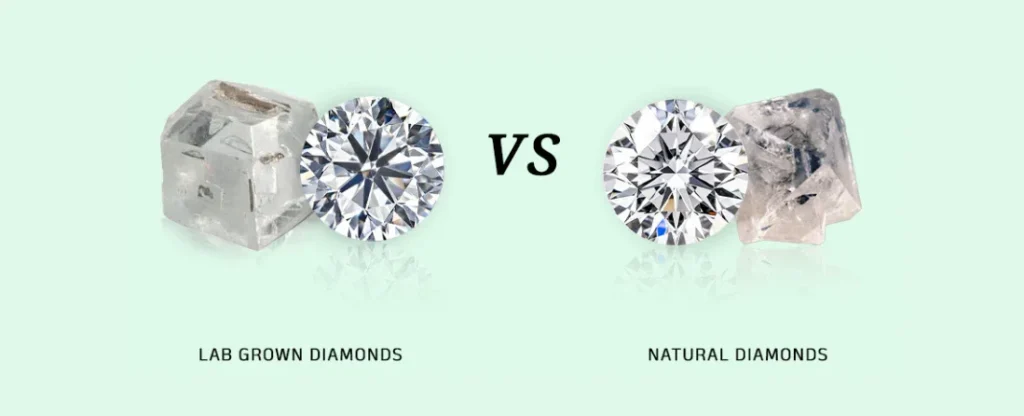
Laboratory-grown diamonds have the same fundamental chemical composition and crystal structure as natural diamonds. They also share similar hardness, brilliance, and optical properties.
Manufacturers generally use two primary production methods: Chemical Vapor Deposition (CVD) and High Pressure High Temperature (HPHT). Both methods produce genuine diamonds, although their growth conditions and technical requirements differ.
Understanding the Lab Grown Diamond Production Process
Producing a finished diamond involves several stages, beginning with crystal growth and ending with cutting, polishing, and quality inspection.
1. Diamond Seed Preparation
The manufacturing process starts with a small diamond seed that acts as the foundation for crystal growth. Manufacturers select suitable seeds and prepare their surfaces before placing them inside specialized production equipment.
The condition and suitability of the seed can influence the growth process and the characteristics of the resulting crystal.
2. Chemical Vapor Deposition (CVD)
CVD is a widely used technique for producing lab-grown diamonds. It involves introducing carbon-containing gases into a controlled chamber.
The gases are activated using energy, creating conditions in which carbon atoms can deposit onto the diamond seed. Over time, these deposits develop into a larger diamond crystal.
Manufacturers carefully monitor factors such as temperature, pressure, gas composition, and growth conditions to maintain production consistency.
3. High Pressure High Temperature (HPHT)
The HPHT method recreates the extreme pressure and temperature conditions associated with natural diamond formation.
A carbon source and diamond seed are placed inside specialized equipment. Under controlled conditions, carbon dissolves and crystallizes onto the seed, gradually forming a diamond.
The process requires sophisticated machinery and careful monitoring to achieve the desired crystal characteristics.
4. Cutting and Polishing
Once the rough diamond crystal is ready, it undergoes precision cutting and polishing.
Manufacturers use specialized tools and planning techniques to determine the most suitable shape while balancing weight retention, symmetry, and visual performance.
Common diamond shapes include round, oval, pear, emerald, princess, cushion, and marquise.
5. Final Inspection and Grading
The finished diamond is inspected to evaluate its measurements, clarity characteristics, color, polish, and proportions.
Manufacturers may also arrange independent grading reports from recognized gemological laboratories. These reports help verify diamond specifications and provide useful documentation for buyers.
Key Quality Factors to Consider
Diamond quality plays a major role in determining the appearance, value, and suitability of a stone for different jewelry applications.
The most widely recognized evaluation framework is the 4Cs: cut, color, clarity, and carat weight.
Cut Quality
Cut quality influences how a diamond interacts with light. Proper proportions, symmetry, and polishing help determine its brilliance and overall visual appeal.
A well-cut diamond can appear more visually impressive than a poorly proportioned stone with similar weight and color characteristics.
Color Grade
Color grading measures the degree of visible color in a diamond. Colorless grades are often preferred for certain jewelry designs, while slightly lower color grades may provide attractive options at different price points.
Clarity Grade
Clarity describes internal inclusions and external blemishes. These characteristics can develop during diamond growth and processing.
Understanding clarity grades helps jewelry businesses select suitable products for their target customers and budgets.
Carat Weight
Carat measures diamond weight rather than physical size. Two diamonds with the same carat weight can have different dimensions depending on their shape and cutting proportions.
Businesses should consider both weight and measurements when comparing stones.
Factors That Influence Lab Grown Diamond Pricing
Lab-grown diamond prices depend on several characteristics related to quality, production, and market conditions. Understanding these factors can help jewelry businesses evaluate supplier quotations more effectively.
1. Diamond Specifications
The 4Cs have a significant influence on pricing. Differences in cut, color, clarity, and carat weight can result in substantial price variations.
Larger diamonds with desirable color and clarity characteristics may command higher prices than stones with different specifications.
2. Manufacturing Technology
CVD and HPHT production involve different equipment, operating conditions, and production requirements.
The manufacturing method can influence production costs and the characteristics of the resulting diamond. However, neither method automatically guarantees superior quality.
3. Cutting and Polishing Requirements
Precision cutting requires specialized equipment, technical expertise, and careful planning.
Certain shapes and proportions may require additional processing, influencing the final cost of the finished stone.
4. Certification and Documentation
Independent grading reports provide additional information about diamond characteristics and may contribute to the overall purchasing cost.
Businesses should clarify whether certification is included in the quotation or charged separately.
5. Market Demand and Supply
Lab-grown diamond pricing is also influenced by industry competition, manufacturing capacity, technological developments, and changing consumer demand.
Prices can change over time, making it important to request updated quotations rather than relying on outdated market estimates.
How to Compare Manufacturers and Their Pricing
Comparing suppliers is an important part of developing an effective diamond sourcing strategy. A quotation should provide enough information to determine exactly what is being offered.
When reviewing different manufacturers, compare:
- Diamond shape and carat weight.
- Color and clarity grades.
- Cut quality and measurements.
- CVD or HPHT production method, where relevant.
- Certification and grading documentation.
- Minimum order quantities.
- Customization and processing charges.
- Shipping costs and delivery timelines.
- Payment and replacement policies.
Avoid comparing prices without checking whether the diamonds have matching specifications. A lower quotation may reflect differences in quality, documentation, or commercial terms.
The goal should be to identify a manufacturer that offers suitable overall value rather than simply the lowest initial price.
Production Capacity and Customization Options
Production capacity is another important consideration, particularly for jewelry businesses that purchase diamonds regularly or operate wholesale distribution channels.
A suitable manufacturer should be able to explain its production capabilities, available inventory, estimated lead times, and ability to fulfill repeat orders.
Customization is equally valuable for businesses developing distinctive jewelry collections.
Depending on the supplier, available options may include:
- Different diamond shapes and dimensions.
- Specific carat weight requirements.
- Matching diamond pairs.
- Calibrated stones for jewelry settings.
- Customized cutting and polishing specifications.
- Selection based on color and clarity requirements.
Before placing an order, confirm which customization services are available and whether they affect pricing or production schedules.
Quality Control and Certification Standards
Quality control helps manufacturers maintain consistent standards throughout the production process.
Inspection procedures may begin during crystal growth and continue through cutting, polishing, sorting, and final packaging.
A professional manufacturing operation should have clear procedures for identifying defects, checking product specifications, and handling stones that do not meet the required standards.
Independent grading can provide additional verification. Reports from recognized gemological laboratories help buyers understand a diamond’s characteristics and confirm its laboratory-grown origin.
Jewelry businesses should also verify that grading documentation matches the actual diamonds supplied. This is particularly important when purchasing multiple stones for a single collection or wholesale order.
Common Challenges in Sourcing Lab Grown Diamonds
Although laboratory-grown diamonds offer several sourcing opportunities, jewelry businesses may encounter challenges when selecting suppliers.
Some common issues include:
Inconsistent product quality: Diamonds supplied in different batches may vary in appearance or specifications if quality control procedures are inadequate.
Unclear pricing structures: Incomplete quotations can lead to unexpected costs related to certification, customization, packaging, or shipping.
Production delays: Manufacturers with limited capacity may struggle to meet delivery commitments during periods of increased demand.
Documentation problems: Missing or inaccurate grading information can create difficulties when describing products to customers.
Limited customization: Some suppliers may not offer the specific shapes, measurements, or matching stones required for particular jewelry designs.
Businesses can reduce these risks by requesting samples, verifying supplier credentials, and establishing clear purchasing agreements.
Tips for Building a Long-Term Manufacturing Relationship
A successful supplier relationship involves more than completing individual transactions. Consistent communication and clearly defined expectations can help create a dependable sourcing arrangement.
Consider these practices:
- Start with a sample order to evaluate product quality and service.
- Establish written specifications for every purchase.
- Discuss production schedules and expected delivery dates in advance.
- Confirm payment, shipping, and replacement terms.
- Maintain records of previous orders and grading documentation.
- Review supplier performance regularly.
Maintaining an open communication channel also makes it easier to address changing inventory requirements and develop new product opportunities.
Future of Lab Grown Diamond Manufacturing
Technological development continues to influence the lab-grown diamond industry. Improvements in growth equipment, process monitoring, and production efficiency are helping manufacturers refine their operations.
At the same time, increasing competition is encouraging businesses to pay closer attention to product quality, pricing transparency, and customer expectations.
Demand for different diamond shapes, sizes, and jewelry applications is also creating opportunities for manufacturers to expand their product offerings.
For jewelry businesses, staying informed about these developments can support better purchasing decisions and help identify new opportunities in the evolving diamond market.
Conclusion
Choosing the right lab-grown diamond manufacturer requires a clear understanding of production methods, diamond quality, pricing structures, and manufacturing capabilities. From CVD and HPHT technologies to precision cutting, grading, and final inspection, every stage contributes to the quality and value of the finished product.
Jewelry businesses should evaluate suppliers based on consistent quality, transparent documentation, competitive pricing, customization options, and reliable delivery. Requesting samples and comparing detailed quotations can also help reduce sourcing risks.
By understanding how lab-grown diamonds are produced and priced, retailers and wholesalers can make more informed decisions, build dependable supplier relationships, and develop jewelry collections that meet their customers’ expectations.