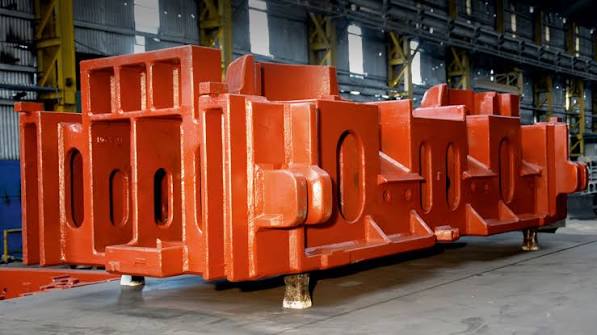
Industrial buyers depend on reliable suppliers to maintain production schedules, control purchasing costs, and ensure consistent component quality. For businesses that regularly purchase cast iron parts, choosing a supplier is not simply a one-time transaction. It is an important decision that can influence manufacturing efficiency, equipment reliability, and long-term operational performance.
Building a lasting relationship with a dependable manufacturer offers advantages beyond competitive pricing. Better communication, familiarity with technical requirements, consistent production standards, and coordinated planning can make procurement more predictable. Establishing a relationship with a capable Iron Castings Manufacturer can help industrial buyers develop a stable supply arrangement that supports both current production needs and future projects.
1. Consistent Product Quality Across Orders
Consistency is one of the most important benefits of maintaining a long-term manufacturing partnership. Industrial components often need to meet specific material, dimensional, and mechanical requirements. Variations between production batches can create difficulties during assembly and affect the performance of finished equipment.
When manufacturers work with the same customer over an extended period, they become more familiar with approved drawings, material specifications, machining requirements, and inspection criteria. This knowledge helps establish repeatable production procedures.
Consistent manufacturing practices can provide several benefits:
- More predictable component dimensions and tolerances.
- Better control over material composition and mechanical properties.
- Reduced variation between production batches.
- Easier identification and correction of recurring quality issues.
- More reliable inspection and documentation procedures.
Over time, both parties can develop clearer quality expectations and improve coordination throughout the production process.
2. Better Understanding of Technical Requirements
Iron casting projects can involve complicated engineering requirements. Components may have specific wall thicknesses, internal cavities, mounting features, machining allowances, and mechanical performance expectations.
A long-term supplier gradually develops a better understanding of the buyer’s products and applications. This familiarity can reduce the need to explain basic requirements repeatedly and make technical communication more efficient.
For example, a manufacturer producing machine housings for the same customer over multiple years may already understand the required iron grade, critical dimensions, machining surfaces, and inspection standards.
This knowledge is especially valuable when buyers introduce revised designs or develop new components related to existing products.
3. Improved Production Planning and Delivery Reliability
Production planning is easier when manufacturers understand their customers’ purchasing patterns and expected demand. Regular communication about order volumes and delivery schedules allows suppliers to organize materials, equipment, labor, and production capacity more effectively.
Long-term partnerships can support better coordination in several areas:
- Forecasting future component requirements.
- Scheduling repeat production runs.
- Planning raw material purchases.
- Allocating suitable manufacturing capacity.
- Coordinating casting, machining, and inspection stages.
Although unexpected disruptions can still occur, established communication channels make it easier to identify potential delays and discuss alternative arrangements before they affect the buyer’s operations.
4. Greater Efficiency in Repeat Orders
Repeat orders are often more straightforward when a manufacturer already has the necessary technical records and production tooling. Approved drawings, material specifications, patterns, and inspection procedures can be retained for future manufacturing runs.
This reduces the need to repeat certain preparation activities for every order. It may also help manufacturers maintain more consistent production conditions and shorten the time required to organize repeat projects.
For buyers, the benefits can include smoother procurement, fewer technical clarification requests, and more predictable production schedules.
However, repeat production still requires appropriate material checks and quality inspections. Previous approval should not replace verification that each new batch meets the agreed specifications.
5. Better Cost Management Over Time
A long-term supplier relationship can help industrial buyers manage purchasing costs more effectively. Manufacturers that understand recurring requirements may be able to plan production runs, material sourcing, and equipment utilization with greater efficiency.
Several factors can contribute to improved cost management:
- Reduced setup repetition: Existing patterns and production records can simplify repeat orders.
- More efficient scheduling: Forecasted demand helps manufacturers organize resources and reduce avoidable interruptions.
- Lower quality-related expenses: Consistent process control can reduce the risk of rejected components and rework.
- Better purchasing visibility: Regular discussions can help buyers understand material costs and future pricing changes.
- Simplified communication: Familiar technical requirements can reduce administrative work and repeated clarification.
Long-term cooperation does not automatically guarantee lower prices. Buyers should still review quotations, compare market conditions, and evaluate the total cost of ownership rather than focusing only on unit price.
6. Easier Development of Custom Iron Casting Components
Industrial equipment manufacturers frequently need specialized components that cannot be sourced from standard product catalogs. Custom iron castings may require particular geometries, material properties, or machining features to suit specific machinery.
A manufacturer with an established understanding of the buyer’s products can provide more informed input during the development process. It may help identify design features that could complicate mold preparation, increase production costs, or create potential casting defects.
Early technical cooperation can support improvements in:
- Component geometry and mold design.
- Material selection.
- Wall thickness and structural strength.
- Gating and feeding arrangements.
- Machining allowances and finished dimensions.
This collaboration can reduce avoidable design revisions and help ensure that new components are practical to manufacture.
7. More Effective Problem-Solving and Technical Support
Manufacturing challenges can occur even when production processes are carefully controlled. Casting defects, dimensional deviations, machining difficulties, and material inconsistencies may require investigation.
An established supplier relationship can make problem-solving more efficient because both parties already understand the product and its manufacturing history.
Instead of starting with basic explanations, engineering teams can review previous production records, inspection reports, and approved specifications. This information helps identify possible causes and determine suitable corrective actions.
For example, if a component repeatedly experiences dimensional variation, the manufacturer and buyer can review mold conditions, cooling behavior, machining procedures, and inspection methods together.
A cooperative approach encourages continuous improvement rather than treating every issue as an isolated purchasing problem.
8. Improved Supply Chain Stability
Supply chain disruptions can affect industrial production when essential components are unavailable. Businesses that depend on specialized iron castings may face significant delays if they need to locate and qualify a new supplier unexpectedly.
A stable manufacturing partnership can reduce some of these risks through better demand forecasting, regular communication, and shared production planning.
Manufacturers may gain a clearer understanding of upcoming requirements, while buyers can receive more reliable information about material availability and production capacity.
However, industrial buyers should avoid relying entirely on a single source for critical components when the consequences of supply interruption are significant. Maintaining contingency plans, approved alternative suppliers, and appropriate inventory levels can provide additional protection.
9. Stronger Quality Documentation and Traceability
Documentation becomes increasingly valuable when buyers order components repeatedly or use castings in applications with strict quality requirements.
A long-term partnership can support more organized records covering material grades, production batches, inspection results, approved drawings, and any agreed manufacturing changes.
Traceability helps businesses investigate quality concerns and determine whether an issue is related to a particular material batch, production process, or inspection stage.
Depending on the project, buyers may request:
- Material certificates and chemical composition reports.
- Mechanical test results.
- Dimensional inspection records.
- Non-destructive testing reports where applicable.
- Batch identification and production records.
- Documentation of approved design or process changes.
Maintaining consistent documentation can simplify supplier evaluations, customer audits, and future production planning.
10. More Flexible Support During Demand Changes
Industrial demand does not always remain constant. Buyers may experience seasonal fluctuations, new customer orders, equipment upgrades, or changes in production volume.
A supplier familiar with the buyer’s business may be better positioned to discuss adjustments to order quantities and delivery schedules. Regular forecasting also gives the manufacturer more time to consider available capacity and material requirements.
Flexibility depends on the supplier’s actual production resources and existing commitments. Nevertheless, an established relationship can make discussions about changing requirements more straightforward and transparent.
11. Encouraging Continuous Improvement and Innovation
Long-term cooperation creates opportunities for manufacturers and industrial buyers to improve products and processes together. Rather than focusing exclusively on individual orders, both parties can identify recurring challenges and explore practical improvements.
Potential areas of collaboration include:
- Reducing casting defects through process adjustments.
- Improving component geometry for easier manufacturing.
- Optimizing machining allowances.
- Reviewing material options for specific operating conditions.
- Reducing unnecessary material waste.
- Improving packaging and transportation arrangements.
This type of cooperation can produce benefits that are difficult to achieve through short-term transactions alone. It also allows manufacturers to apply their technical experience to help customers address changing engineering requirements.
12. How Industrial Buyers Can Build Successful Supplier Partnerships
A strong partnership requires commitment from both the buyer and the manufacturer. Buyers should evaluate suppliers carefully before establishing long-term arrangements and maintain clear expectations throughout the relationship.
The following practices can help create a productive working relationship:
- Define technical requirements clearly: Provide accurate drawings, material specifications, tolerances, and inspection criteria.
- Evaluate manufacturing capabilities: Confirm that the supplier has suitable casting, machining, testing, and production resources.
- Agree on quality standards: Establish acceptance criteria and documentation requirements before production begins.
- Share demand forecasts: Provide realistic information about expected order volumes and delivery schedules.
- Maintain open communication: Discuss technical changes, production progress, and potential problems promptly.
- Review performance regularly: Assess product quality, delivery reliability, responsiveness, and overall cost.
- Encourage mutual improvement: Work together to identify opportunities for better manufacturing efficiency and component performance.
These practices help ensure that a long-term relationship remains beneficial rather than becoming dependent on familiarity alone.
Conclusion
Long-term partnerships with iron casting manufacturers can provide significant advantages for industrial buyers. Consistent product quality, improved technical communication, more efficient repeat orders, better production planning, and stronger supply chain coordination all contribute to more reliable procurement.
However, successful partnerships depend on technical capability, transparent communication, documented quality standards, and regular performance evaluation. Buyers should continue reviewing supplier performance while building cooperation around shared manufacturing goals.
By developing dependable relationships with experienced manufacturers, industrial businesses can improve purchasing efficiency, reduce avoidable production risks, and establish a stronger foundation for future equipment and component requirements.