LED lighting is used across a wide range of industries because it can provide efficient illumination, flexible designs, and long operating life. However, different sectors have very different lighting requirements. Warehouses may need high-output fixtures, retail stores may prioritize color quality, while outdoor infrastructure can require weather-resistant products.
Working with a professional LED Lighting Manufacturer can give businesses access to products designed for specific applications, along with technical specifications, customization options, and testing documentation. Understanding how different industries use LED lighting can help organizations identify the features most relevant to their projects.
Manufacturing and Industrial Facilities
Factories and production facilities often require reliable lighting for large work areas, machinery, assembly lines, and inspection stations. Poorly designed lighting can make it more difficult for employees to perform detailed tasks or navigate industrial environments.
High-bay and low-bay LED fixtures are commonly considered for facilities with high ceilings. Manufacturers can also develop products suited to environments where dust, moisture, vibration, or elevated temperatures may be present.
Warehousing and Distribution
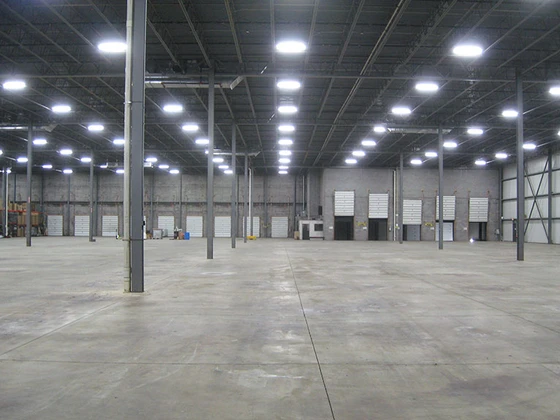
Warehouses and distribution centers require lighting that can cover large areas while maintaining suitable illumination across aisles, storage zones, loading areas, and workspaces.
LED high-bay fixtures are often used in these environments because of their high light output and compatibility with high mounting heights. Motion sensors and lighting controls can also be integrated where appropriate to manage operation in areas with variable occupancy.
Retail and Shopping Centers
Retail environments have different priorities because lighting affects both visibility and the appearance of merchandise. Stores may require carefully controlled light distribution and color characteristics.
LED systems can be designed with different color temperatures, beam angles, and color-rendering properties. Track lighting, downlights, linear fixtures, and other specialized products can be used according to the store layout and display requirements.
Offices and Commercial Buildings
Offices typically require comfortable and consistent illumination across workstations, meeting rooms, corridors, and shared spaces. Lighting design can also need to account for computer screens, ceiling layouts, and natural daylight.
LED panel lights, linear fixtures, recessed products, and connected lighting systems can provide different approaches to commercial illumination. Dimming and occupancy controls may also be incorporated into building lighting strategies.
Hospitality Industry
Hotels, restaurants, resorts, and other hospitality businesses use lighting for both functional and aesthetic purposes. Guest rooms, lobbies, dining areas, kitchens, corridors, and outdoor spaces can each require different lighting characteristics.
Manufacturers can provide fixtures with different color temperatures, beam patterns, finishes, and control options to suit the design requirements of hospitality environments.
Healthcare Facilities
Hospitals, clinics, laboratories, and other healthcare facilities have specialized lighting requirements. Different areas may require different levels of illumination and color characteristics.
Patient rooms, examination areas, operating environments, corridors, waiting areas, and technical spaces can require purpose-specific lighting. Product selection may also need to consider cleaning procedures, installation conditions, glare, and applicable regulations.
Educational Institutions
Schools, universities, training centers, and other educational facilities rely on lighting throughout classrooms, libraries, laboratories, sports areas, hallways, and administrative spaces.
Uniform illumination can be important in learning environments, while lighting controls can help manage different requirements throughout a building. Outdoor areas such as walkways and parking facilities may require separate lighting solutions.
Transportation Infrastructure
Airports, railway stations, bus terminals, parking structures, and other transportation facilities operate across large and often continuously occupied areas.
Lighting in these environments may need to provide consistent visibility while withstanding demanding operating conditions. LED products can be used for indoor areas, platforms, roadways, parking zones, signs, and other infrastructure.
Street and Outdoor Lighting
Municipalities and infrastructure operators use LED lighting for roads, streets, pathways, public areas, and parking facilities. Outdoor fixtures must be designed to withstand weather exposure and provide suitable light distribution.
Roadway and area-lighting products can be developed with specific beam patterns to direct illumination where it is required. Environmental protection ratings and mechanical durability can also be important considerations.
Sports Facilities
Sports venues require lighting that can provide suitable visibility across playing surfaces, seating areas, entrances, and surrounding spaces.
The requirements can vary significantly depending on the sport and venue. Professional facilities may need precise optical control and consistent illumination, while smaller recreational areas may have simpler requirements.
Agriculture and Controlled Environments
LED technology is also used in agricultural applications such as greenhouses and indoor growing facilities. These environments can require lighting systems designed around specific plant-growth conditions.
Unlike general illumination, horticultural lighting focuses on factors such as light intensity, spectrum, operating schedules, and fixture placement. Specialized manufacturers may therefore develop products specifically for controlled agricultural environments.
Automotive and Industrial Workshops
Workshops and service facilities require lighting that supports inspection, maintenance, repair, and other detailed tasks. Fixtures may need to provide strong illumination while operating reliably in areas exposed to dust, vibration, or temperature changes.
Linear fixtures, high-output lights, task lighting, and specialized inspection products can be used depending on the workspace.
Data Centers and Technical Facilities
Data centers and technical facilities have specific lighting requirements related to equipment layouts, access aisles, maintenance work, and operational continuity.
Lighting designs may incorporate efficient fixtures, occupancy controls, emergency lighting, and other features depending on the facility’s requirements. Thermal conditions and equipment placement may also influence fixture selection.
How Manufacturers Support Different Industries
Professional LED lighting manufacturers can serve multiple industries by offering different product categories and technical configurations. Some manufacturers focus on standardized products, while others provide customized solutions for specific applications.
Businesses may request adjustments to wattage, dimensions, optics, color temperature, housing materials, controls, or other specifications depending on the project.
Choosing Lighting for an Industry-Specific Application
The best lighting specification depends on the environment rather than simply the industry name. Businesses should evaluate factors such as:
- Required illumination levels
- Mounting height and fixture location
- Operating hours
- Ambient temperature
- Moisture and dust exposure
- Color requirements
- Lighting controls
- Maintenance access
- Applicable safety standards
These factors help determine which LED products and configurations are appropriate for a particular facility.
Conclusion
Professional LED lighting manufacturers support a wide range of industries, including manufacturing, warehousing, retail, offices, hospitality, healthcare, education, transportation, agriculture, sports, and outdoor infrastructure.
Each sector has different lighting requirements, so product selection should be based on the actual operating environment and application. By considering illumination, durability, efficiency, controls, environmental conditions, and applicable standards, businesses can develop lighting systems that align with their operational needs.