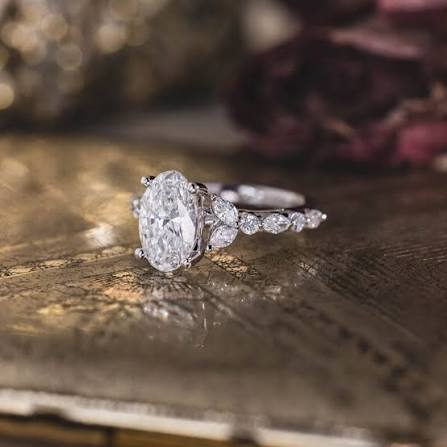
A diamond ring can become much more meaningful when its design reflects the personality, memories, and preferences of the person wearing it. Instead of choosing a standard style, buyers can incorporate individual details that make the jewelry feel distinctive. From selecting an unusual diamond shape to adding meaningful engravings, small design decisions can transform a simple ring into a personal keepsake.
Creating a Custom Lab Grown Diamond Ring gives buyers the opportunity to make these choices throughout the design process. They can select the center stone, experiment with different settings, combine metal colors, and include details that represent an important relationship or milestone. With thoughtful planning, personalization can improve both the appearance and sentimental value of a ring.
1. Choose a Diamond Shape That Reflects Personal Style
The center diamond is often the main visual feature of an engagement ring. Its shape can influence the entire design, making it one of the most important personalization decisions.
Different diamond shapes create different impressions.
- Round brilliant: A classic choice with a symmetrical outline and strong light performance.
- Oval: An elongated shape that creates an elegant appearance.
- Pear: A distinctive teardrop shape with a pointed end.
- Emerald: A rectangular step-cut shape with clean geometric lines.
- Cushion: A square or rectangular shape with rounded corners.
- Radiant: Combines a geometric outline with brilliant-style faceting.
- Marquise: Features pointed ends and an elongated silhouette.
Rather than selecting a shape only because it is popular, consider which one best reflects the wearer’s taste. A person who prefers traditional jewelry may appreciate a round diamond, while someone interested in distinctive designs might prefer a pear or marquise shape.
2. Create a Meaningful Center Stone Arrangement
Personalization does not have to stop with the center diamond. The arrangement of additional gemstones can create a design with special significance.
Three-Stone Settings
A three-stone ring features a center diamond accompanied by two side stones. Some couples associate the three stones with the past, present, and future of their relationship.
The side stones can match the center diamond or introduce a contrasting shape or gemstone color.
Hidden Halo Settings
A hidden halo places small accent diamonds beneath the center stone. This arrangement adds detail without changing the ring’s main outline.
It is a suitable option for buyers who appreciate subtle decoration rather than an obvious halo surrounding the center diamond.
Asymmetrical Settings
An asymmetrical arrangement uses stones or decorative details that are not perfectly balanced on both sides. It can create a contemporary appearance for people who prefer unconventional jewelry.
3. Personalize the Ring with a Unique Band Design
The band provides another opportunity to introduce individual design elements. Even when two rings use similar center diamonds, different band styles can make them look completely different.
Popular band designs include:
Twisted bands: Two or more strands of metal curve around one another to create a woven appearance.
Split-shank bands: The band separates into two sections as it approaches the center setting, creating a more open structure.
Knife-edge bands: A raised central ridge gives the band a defined geometric profile.
Curved bands: A gently shaped band can create a distinctive silhouette and may be designed to sit alongside a wedding band.
Braided bands: Interwoven metal details provide texture and a decorative appearance.
When choosing a band, consider how its width, thickness, and shape will work with the center diamond. The design should also provide enough structural support for the intended setting.
4. Combine Different Metal Colors
Using more than one metal color can give a ring a distinctive appearance. Two-tone or mixed-metal designs offer flexibility for buyers who like different jewelry finishes.
For example, a ring may combine:
- White gold with yellow gold.
- Rose gold with white gold.
- Platinum with yellow gold.
- Yellow gold with rose gold.
A two-tone band can create contrast without requiring additional gemstones or elaborate decoration.
Mixed-metal designs can also be practical for people who regularly wear jewelry in different metal colors. However, the manufacturer should ensure that the metals are properly joined and that the overall structure is suitable for everyday use.
5. Add a Personal Engraving
Engraving is one of the simplest ways to make a ring more meaningful. A short message placed inside or outside the band can preserve a personal memory without changing the overall appearance.
Possible engraving ideas include:
- Initials of both partners.
- A significant date.
- A short phrase.
- A meaningful word.
- Coordinates of a special location.
- A private message understood by the couple.
Some buyers choose a wedding date, engagement date, or a phrase associated with an important shared experience.
Before engraving, confirm the available space and the band’s thickness. Very narrow bands may limit the length or style of the inscription.
6. Incorporate Birthstones and Colored Gemstones
Although a lab grown diamond can serve as the main gemstone, colored stones can introduce additional meaning and visual interest.
Birthstones are often selected to represent a person’s birth month or an important family connection. Other gemstones may be chosen because of their color, symbolism, or personal significance.
Possible additions include:
- Sapphire for a deep blue accent.
- Emerald for a rich green detail.
- Ruby for a strong red contrast.
- Aquamarine for a soft blue appearance.
- Amethyst for a purple accent.
Colored gemstones can be placed beside the center diamond, along the band, or within a decorative setting.
When combining different stones, consider their hardness, durability, and care requirements. The jeweler should select suitable settings to protect each gemstone during regular wear.
7. Use a Vintage-Inspired Design
Vintage-inspired details can give a modern ring a sense of history and character. These elements often include decorative metalwork, intricate patterns, and carefully arranged accent stones.
Popular vintage-inspired features include:
- Milgrain edges with tiny decorative beads.
- Filigree metalwork with delicate patterns.
- Engraved floral details.
- Antique-style halos.
- Geometric Art Deco influences.
- Decorative gallery designs beneath the center stone.
A vintage-inspired ring does not need to reproduce an antique design exactly. Buyers can combine traditional details with modern diamond shapes and contemporary settings to create something more personal.
8. Personalize the Ring with a Unique Setting
The setting determines how the center diamond is held and how prominently it appears. It also influences the ring’s profile and overall style.
Prong Setting
A prong setting uses small metal claws to secure the diamond. It allows substantial light to enter the stone and gives the center diamond a prominent appearance.
Bezel Setting
A bezel setting surrounds the diamond with a metal rim. It creates a smooth, modern outline and provides additional protection around the stone’s edges.
Tension-Style Setting
A tension-style design uses carefully engineered pressure to hold the diamond between sections of the band. It creates an open, contemporary appearance but requires specialized construction.
Cathedral Setting
A cathedral setting uses raised arches that support the center stone. It can add height and architectural detail to the ring.
Flush Setting
A flush setting places a small gemstone into the surface of the band so that it sits nearly level with the surrounding metal. This can be useful for subtle decorative details.
The most suitable setting depends on the diamond’s shape, dimensions, desired appearance, and lifestyle requirements.
9. Include Hidden Design Details
Not every personalized feature needs to be visible from above. Hidden elements can make a ring special while preserving a clean exterior design.
Some ideas include:
Hidden gemstones: A small colored stone can be placed beneath the center diamond or inside the setting.
Personalized gallery: The metal structure beneath the diamond can include a heart, floral pattern, or another meaningful shape.
Secret engraving: A short message can be placed inside the band or in another discreet location.
Custom prong details: The prongs may be shaped or finished to complement the overall design.
Decorative under-gallery: Patterns beneath the center stone can add detail when the ring is viewed from the side.
These features are particularly appealing to buyers who want a ring with private meaning rather than prominent decoration.
10. Select a Design Inspired by Personal Interests
A ring can also reflect hobbies, creative interests, or meaningful experiences.
For example, someone who enjoys nature may prefer leaf-inspired engraving or floral details. A person interested in architecture might choose a geometric band with clean lines. Travelers may appreciate a subtle reference to a memorable destination.
Other possible inspirations include:
- Natural landscapes and flowers.
- Art and architectural patterns.
- Family traditions.
- Favorite colors.
- Cultural motifs.
- Shared hobbies and experiences.
The design does not need to represent an interest literally. A small visual reference can be enough to make the ring feel individual.
11. Use CAD Design to Refine Personalization
Computer-aided design (CAD) is commonly used in custom jewelry production. It allows designers to create a digital model of the proposed ring before manufacturing begins.
A CAD model can help buyers understand how different design elements work together.
During this stage, they may review:
- Center diamond placement.
- Band width and thickness.
- Setting height.
- Prong proportions.
- Accent stone positions.
- Engraving locations.
- Overall ring dimensions.
Designers can make adjustments before production, reducing the likelihood of misunderstandings about the final appearance.
Buyers should review the model carefully and confirm important measurements before approving manufacturing.
12. Balance Personalization with Comfort and Durability
A visually detailed ring should also be comfortable and suitable for its intended use. Some decorative features may require additional attention to ensure that they do not interfere with daily activities.
Consider the following practical points:
- Avoid excessively sharp edges that may catch on clothing.
- Check whether raised settings are comfortable for everyday wear.
- Ensure small accent stones are securely set.
- Choose a band width that feels comfortable on the finger.
- Consider whether intricate details may collect dirt.
- Confirm that the ring can be maintained or repaired when necessary.
A design that looks attractive but is difficult to wear may not be the best long-term choice. Discussing lifestyle requirements with the manufacturer can help achieve a better balance.
13. Personalization Ideas for Different Occasions
Custom ring designs can represent more than engagements. Different occasions may inspire different details and styles.
| Occasion | Personalization Idea |
|---|---|
| Engagement | Initials, meaningful date, or three-stone setting |
| Wedding | Matching design elements or coordinated bands |
| Anniversary | Additional accent stones or engraved message |
| Milestone birthday | Birthstone or favorite gemstone |
| Family celebration | Multiple stones representing family members |
| Personal achievement | Unique diamond shape or symbolic engraving |
The most meaningful feature is usually the one connected to the occasion or the person receiving the jewelry.
14. How to Plan a Personalized Ring Within Your Budget
Personalization can involve additional design and manufacturing work, but a distinctive ring does not have to include every available feature.
A clear budget helps buyers decide which elements deserve priority.
Start by identifying the most important design feature. It may be the center diamond, a particular metal color, a special setting, or a meaningful engraving.
Then consider these practical steps:
- Establish a total spending limit.
- Choose the center diamond specifications.
- Select the preferred metal and purity.
- Decide which design elements are essential.
- Compare simple and detailed setting options.
- Ask for a complete manufacturing quotation.
- Review the digital design before approving production.
If the initial design exceeds the budget, consider simplifying the band or reducing the number of accent stones rather than removing the feature that gives the ring its personal meaning.
Common Mistakes to Avoid When Customizing a Diamond Ring
A successful personalized design requires attention to both appearance and practical construction. Avoiding a few common mistakes can make the process easier.
Adding too many decorative elements: Excessive details can make the design look crowded and may increase manufacturing costs.
Ignoring everyday comfort: Large settings and sharp decorative features may be inconvenient for regular wear.
Choosing incompatible design elements: The diamond shape, band proportions, and setting should work together visually and structurally.
Skipping design approval: Always review the final CAD model or design specifications before manufacturing begins.
Overlooking maintenance requirements: Intricate settings and additional gemstones may need more frequent cleaning and inspection.
Failing to confirm material details: Verify the metal type, purity, diamond specifications, and included services in the final quotation.
Conclusion
Personalizing a lab grown diamond ring is an opportunity to create jewelry that reflects individual taste and meaningful experiences. Diamond shapes, distinctive band designs, mixed metals, colored gemstones, engravings, and hidden details can all contribute to a unique final result.
The most successful designs balance creativity with comfort, durability, and budget. By choosing meaningful features and reviewing the design carefully before production, buyers can create a ring that feels personal without becoming unnecessarily complicated. A thoughtful combination of design elements can turn a diamond ring into a lasting reminder of an important moment or relationship.