Managing a sunglasses inventory becomes more challenging as a retail business expands its product range. Different frame shapes, colors, lens types, sizes, and seasonal collections can quickly make stock difficult to track without a clear system.
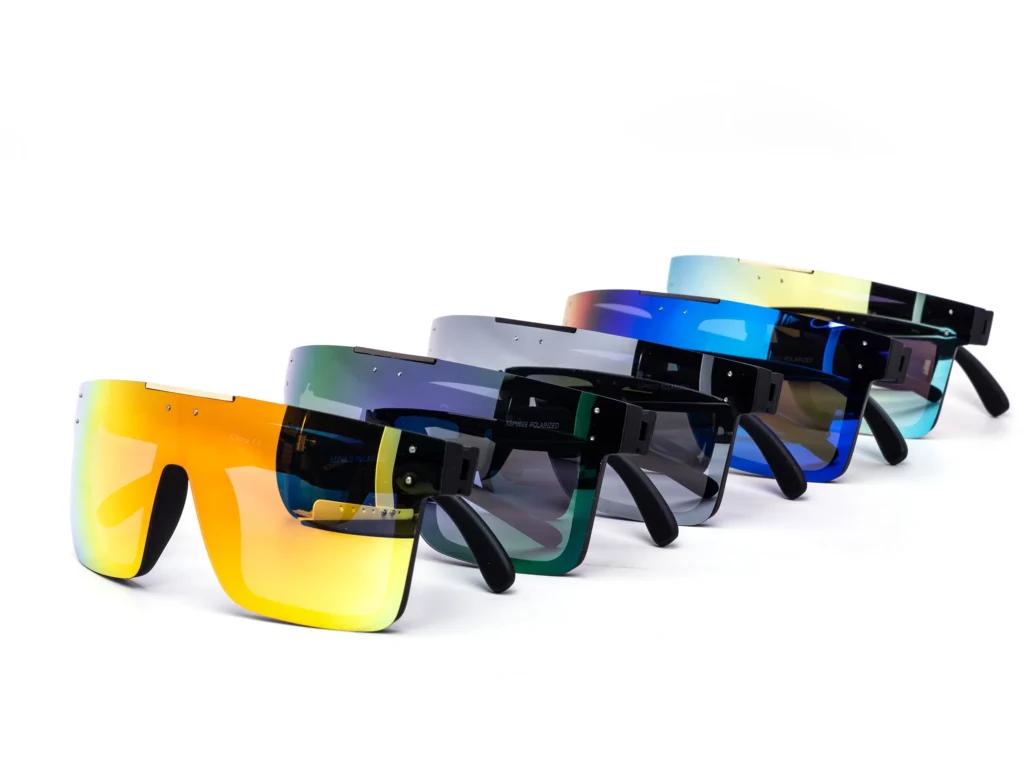
For retailers purchasing Wholesale Polarized Sunglasses, an organized inventory system can make it easier to monitor stock levels, identify popular products, and plan future orders. Good organization also reduces the risk of overstocking slow-moving products or running out of high-demand styles.
Create Clear Product Categories
The first step is to establish consistent categories for every product. Retailers can organize sunglasses by frame shape, lens type, color, material, collection, or price range.
The categories should be simple enough for employees to understand and consistent across physical storage and digital inventory records. Avoid creating too many categories, as an overly complicated system can become difficult to maintain.
Assign Product Codes
Each product should have a unique stock-keeping unit or internal product code. This makes it easier to distinguish between products that may look similar but have different colors, lenses, or frame specifications.
Product codes should be used consistently on inventory records, purchase orders, storage labels, and sales systems. A standardized coding system can save time when searching for specific products.
Separate Products by Frame Style
Frame shape is often one of the easiest ways to organize sunglasses. Retailers can create separate sections for popular categories such as:
- Round and oval frames
- Square and rectangular frames
- Cat-eye designs
- Oversized styles
- Geometric frames
- Classic everyday silhouettes
This organization can help staff locate products quickly and make stock checks more efficient.
Track Lens Types Separately
Because polarized sunglasses have specific lens characteristics, retailers should maintain clear records of lens types. Information may include polarization, UV protection, tint, lens material, and other relevant specifications.
Keeping these details in the inventory system can also make it easier to create accurate product descriptions and answer customer questions.
Organize by Color
Color is another useful inventory category. Retailers may group products by neutral shades such as black and brown, followed by transparent, metallic, pastel, or brighter seasonal colors.
This can be especially useful for fashion-focused stores where customers frequently shop according to color preferences.
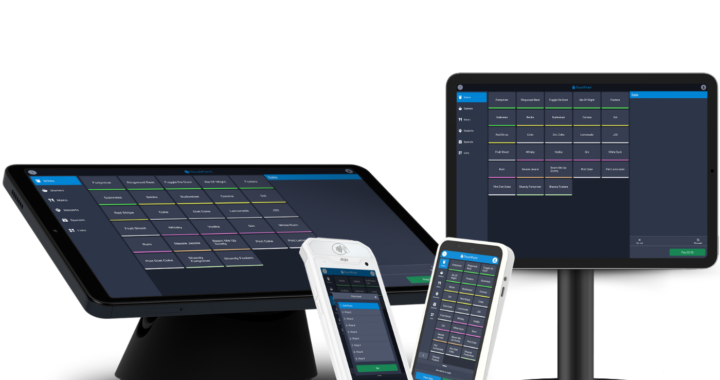
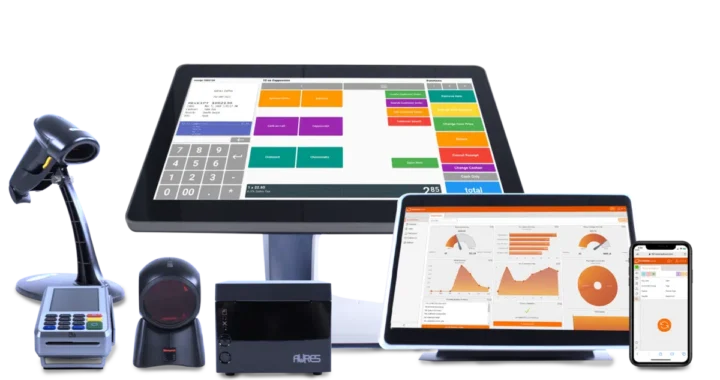
Use Digital Inventory Records
A digital inventory system can provide a more accurate overview of stock than manual notes. Each product record should contain essential information such as product code, description, supplier, quantity, cost, retail price, and reorder level.
Businesses with larger inventories can also record purchase dates, sales history, warehouse locations, and supplier information.
Set Reorder Points
Retailers should establish minimum stock levels for products that sell consistently. When inventory reaches the predefined threshold, the product can be reviewed for replenishment.
Reorder points should take supplier lead times into account. Products that take longer to receive may need a higher minimum level than items that can be restocked quickly.
Identify Fast- and Slow-Moving Products
Not every polarized sunglasses style will sell at the same rate. Regularly reviewing sales data can help retailers identify which products deserve more inventory and which products are tying up capital.
Fast-moving products may require more frequent replenishment, while slow-moving designs can be reordered in smaller quantities or gradually phased out.
Track Seasonal Inventory
Sunglasses demand can change with weather, holidays, travel periods, and local shopping patterns. Retailers should identify products that perform particularly well during specific seasons.
Seasonal inventory can be stored and labeled separately from core year-round products. This makes it easier to prepare displays and plan purchases before demand increases.
Maintain Accurate Storage Labels
Physical organization is just as important as digital tracking. Storage shelves, boxes, or drawers should have clear labels that correspond with inventory records.
If several products have similar designs, labels should include enough information to distinguish them. This reduces picking errors and makes stock counts faster.
Perform Regular Stock Counts
Even with a digital system, physical stock counts remain important. Inventory discrepancies can result from damaged products, misplaced items, data-entry errors, returns, or other operational issues.
Retailers can conduct full stock counts periodically and perform smaller checks on high-volume products more frequently.
Protect Sunglasses During Storage
Proper storage can help reduce damage and unnecessary product loss. Sunglasses should be protected from scratches, excessive pressure, moisture, and other conditions that may affect frames or lenses.
Products should also remain organized so employees do not need to move large quantities of stock simply to access one style.
Review Supplier Performance
Inventory organization also depends on reliable replenishment. Retailers working with suppliers such as Eugenia Eyewear should monitor delivery times, product consistency, order accuracy, and availability.
Keeping supplier information within the inventory system can make it easier to determine where replacement stock should be ordered and how long replenishment may take.
Use Sales Data for Future Purchasing
An organized inventory system becomes more valuable when sales information is connected to purchasing decisions. Retailers can compare product performance by frame shape, color, lens type, price, and season.
This information helps businesses avoid relying entirely on assumptions when deciding what to reorder. Over time, purchasing can become more closely aligned with actual customer demand.
Keep Inventory Records Updated
An inventory system only works when information is maintained consistently. New products should be added promptly, sold items should be deducted accurately, and returned or damaged products should be recorded.
Assigning responsibility for inventory updates can help prevent gaps in the system and improve accountability among staff.
Final Thoughts
Organizing a wholesale polarized sunglasses inventory requires a combination of clear categorization, accurate records, efficient storage, and regular analysis. Retailers should track products by relevant characteristics while monitoring stock levels and sales performance.
A structured system makes it easier to locate products, identify replenishment needs, reduce inventory errors, and understand customer demand. As the sunglasses collection grows, these practices can help retailers maintain better control over both day-to-day operations and long-term purchasing decisions.