Visual presentation plays an important role in how customers recognize and interact with businesses. Restaurants use attractive signage to create welcoming dining environments, retail stores rely on distinctive displays to capture attention, and entertainment venues use creative lighting to establish memorable atmospheres. Among the available signage options, custom neon signs have become a popular choice because they combine illumination, design flexibility, and branding opportunities.
Working with an experienced Neon Sign Manufacturer allows businesses to create signage that reflects their identity while meeting specific functional requirements. From illuminated logos and storefront displays to decorative wall signs, customized solutions can be adapted to different commercial environments. Understanding the applications of neon signage across industries can help businesses select designs that support their branding and customer experience goals.
Why Custom Neon Signs Are Popular for Commercial Spaces
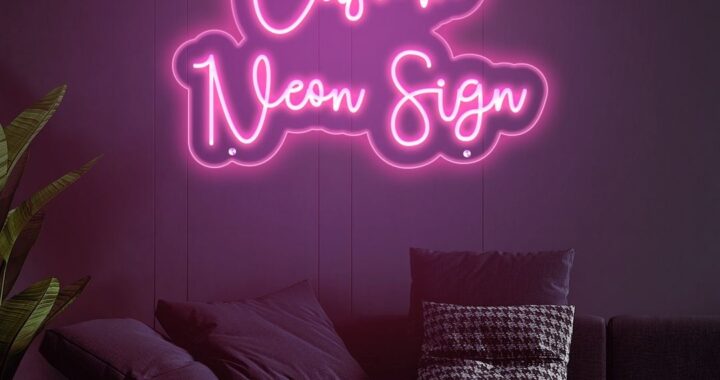
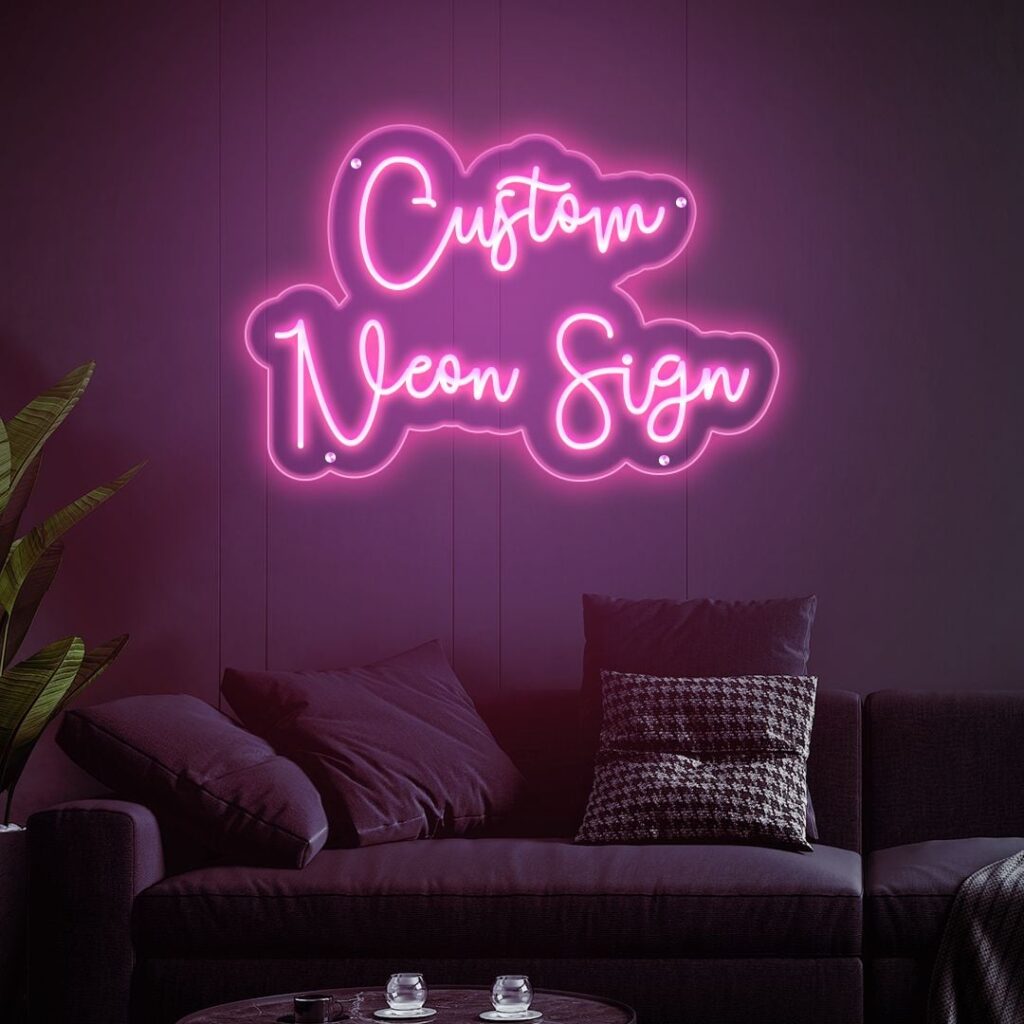
Custom neon signs offer more than decorative lighting. They provide businesses with an opportunity to communicate messages, highlight important areas, and create recognizable visual features.
Modern LED neon technology also offers several practical advantages over traditional glass neon lighting. It generally consumes less electricity, produces less heat, and supports a wide range of shapes and lettering styles.
Businesses can customize different aspects of their signs, including:
- Colors and lighting effects.
- Fonts and lettering styles.
- Business names and logos.
- Dimensions and shapes.
- Backing materials and mounting arrangements.
- Indoor and outdoor applications.
These options make custom neon signage suitable for businesses with different branding objectives and design preferences.
1. Custom Neon Sign Solutions for Restaurants
Restaurants operate in a competitive environment where atmosphere and presentation can influence customer perceptions. Custom neon signage can help create a distinctive dining space while making restaurant branding more recognizable.
Illuminated Restaurant Names and Logos
An illuminated restaurant name or logo can create a strong visual feature near the entrance, reception area, or main dining space.
Restaurants can use their existing brand colors and typography to maintain consistency between signage, menus, packaging, and other marketing materials.
Decorative Signs for Dining Areas
Neon lettering and decorative shapes can add personality to restaurant interiors. Popular options include food-related illustrations, short messages, and customized phrases that complement the restaurant’s theme.
These displays can also create attractive backgrounds for customer photographs and social media content.
Bar and Café Signage
Bars and cafés often use neon lighting to establish a particular atmosphere. Warm colors and simple designs can create a relaxed setting, while brighter colors may suit modern or energetic concepts.
For outdoor restaurant signage, businesses should also consider visibility, weather protection, and suitable installation arrangements.
2. Custom Neon Signs for Retail Stores
Retail businesses need signage that helps customers identify their locations and recognize their brands. Custom neon displays can support storefront presentation while adding visual interest to interior spaces.
Storefront Branding
Illuminated business names and logos can help retail stores stand out, especially in shopping areas where several businesses compete for attention.
The design should prioritize readability, appropriate dimensions, and visibility from the intended viewing distance.
Product and Promotional Displays
Retailers can use custom neon signs to highlight specific products, seasonal promotions, or featured sections.
For example, fashion stores may use illuminated brand lettering, while beauty retailers can incorporate decorative signs that reflect their visual identity.
Interior Decorative Signage
Neon signs can also enhance fitting rooms, checkout areas, display walls, and product photography spaces.
Carefully selected colors and designs help create a consistent shopping environment without making the interior feel visually overcrowded.
3. Neon Sign Solutions for Entertainment Venues
Entertainment businesses often depend on atmosphere and visual presentation to create memorable customer experiences. Neon signage can contribute to the overall environment of nightclubs, gaming centers, cinemas, event spaces, and music venues.
Nightclubs and Bars
Nightclubs and bars frequently use illuminated signs to establish a distinctive visual identity. Custom lettering, decorative graphics, and colorful lighting can complement the venue’s interior design.
Signs may be installed behind counters, near entrances, or along selected walls to create recognizable visual features.
Gaming Centers and Arcades
Gaming venues can use neon-style displays to create energetic environments. Gaming-related symbols, custom logos, and themed lettering can reinforce the venue’s concept.
The flexibility of LED neon technology makes it possible to develop designs that complement different gaming themes and interior layouts.
Event and Performance Spaces
Concert halls, event venues, and performance spaces can benefit from customized illuminated branding. Signs can highlight venue names, stage backgrounds, promotional messages, or designated customer areas.
For temporary events, businesses should consider portable designs and mounting options that allow convenient installation and removal.
4. Custom Neon Signs for Hotels and Hospitality Businesses
Hotels and hospitality businesses use signage to guide visitors, strengthen branding, and improve the appearance of public spaces.
Custom neon displays can be installed in reception areas, lounges, restaurants, bars, and selected guest spaces.
For example, an illuminated hotel logo behind the reception desk can create a professional first impression. Decorative signs in lounges and recreational areas can also support the property’s interior design.
When choosing signage for hospitality environments, businesses should prioritize readability, suitable brightness, and materials that complement the surrounding décor.
5. Personalized Branding Through Custom Designs
One of the biggest advantages of custom neon signage is the ability to create designs that reflect a specific business identity.
Rather than relying on generic products, businesses can incorporate their own logos, fonts, colors, and visual elements into the final design.
The customization process generally involves:
- Sharing the business logo or initial design concept.
- Discussing preferred dimensions, colors, and materials.
- Reviewing a digital design preview.
- Requesting adjustments where necessary.
- Approving the final specifications before production.
This collaborative process helps ensure that the finished sign reflects the intended brand identity and fits its installation environment.
6. Choosing the Right Materials and Lighting Technology
The performance of custom neon signage depends on the quality of its materials and electrical components.
Modern LED neon signs typically use flexible LED strips enclosed in protective silicone or PVC housing. These components are attached to suitable backing materials, such as acrylic, according to the approved design.
Before selecting a product, businesses should consider:
- Brightness: The lighting should be suitable for the surrounding environment.
- Color consistency: Brand colors should be reproduced as accurately as possible.
- Durability: Materials should match the expected operating conditions.
- Electrical safety: Wiring and power supplies should meet applicable requirements.
- Environmental protection: Outdoor signs should have suitable protection against moisture and dust.
Selecting appropriate materials helps balance visual appeal, practical functionality, and long-term reliability.
7. Indoor and Outdoor Neon Sign Applications
The intended installation location should influence the design and manufacturing process.
Indoor signs are commonly used for decorative walls, reception desks, product displays, dining areas, and promotional spaces. These installations may focus primarily on appearance, branding, and lighting effects.
Outdoor signs generally require additional consideration because they are exposed to environmental conditions. Rain, humidity, sunlight, and temperature changes can affect materials and electrical components.
Businesses should ask about suitable protection ratings, mounting arrangements, and installation requirements before ordering outdoor signage.
Choosing products specifically designed for their intended environments helps reduce maintenance concerns.
8. Factors to Consider When Selecting a Neon Sign Supplier
Choosing the right supplier is an important part of any custom signage project. Businesses should evaluate manufacturing capabilities and service quality rather than focusing exclusively on price.
Consider the following factors before placing an order:
Manufacturing experience: Review previous commercial projects and the supplier’s experience with customized signage.
Material quality: Ask about LED components, protective housing, backing materials, and power supplies.
Design flexibility: Confirm whether the manufacturer can accommodate custom logos, colors, fonts, and dimensions.
Quality control: Understand how products are inspected and tested before delivery.
Pricing transparency: Request a detailed quotation covering customization, materials, packaging, and shipping.
Warranty and support: Check warranty coverage and the availability of technical assistance after delivery.
Comparing these details can help businesses select a supplier that understands their requirements and can deliver suitable products.
How Custom Neon Signage Supports Business Marketing
Neon signs can contribute to business marketing by making physical locations more recognizable and reinforcing brand identity.
An illuminated logo can help customers associate a visual design with a particular business. Decorative signage can also make commercial spaces more memorable and provide attractive backgrounds for photographs and social media content.
However, effective signage depends on more than brightness or design complexity. Clear messaging, appropriate placement, consistent branding, and readability are equally important.
Businesses should approach neon signage as part of their broader visual marketing strategy rather than treating it as an isolated decorative feature.
Final Thoughts
Custom neon signs provide restaurants, retail stores, and entertainment venues with flexible opportunities to improve branding and enhance commercial environments. From illuminated storefront logos to decorative interior displays, these solutions can be adapted to different business concepts and customer experiences.
Successful signage projects require careful planning, suitable materials, accurate design, and reliable manufacturing. Businesses should evaluate customization capabilities, product specifications, quality control, installation requirements, and after-sales support before choosing a supplier.
By making informed decisions, businesses can invest in custom neon signage that complements their identity, improves visual recognition, and supports their long-term marketing objectives.