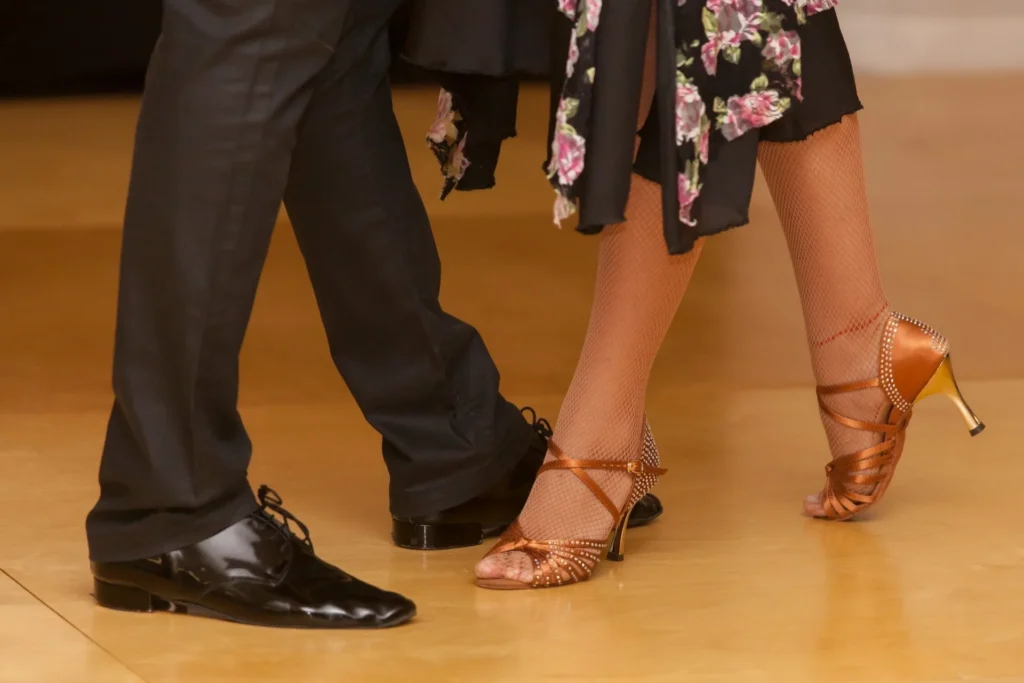
Finding the right dance shoes is essential for anyone who wants to move comfortably and confidently on the dance floor. Latin dancing involves quick footwork, controlled turns, precise weight transfers, and expressive movements that place specific demands on footwear. Even small fitting issues can become noticeable during extended practice sessions, making proper sizing and shoe construction important considerations for dancers at every level.
Choosing Custom Latin Dance Shoes can provide an opportunity to address individual fitting preferences while considering heel height, sole flexibility, and overall support. However, achieving an ideal fit requires more than selecting a particular size. Understanding your foot shape, testing the shoe’s stability, and evaluating how it feels during movement can help you make a more informed decision.
Why the Right Fit Matters in Latin Dancing
Latin dance shoes are designed to support movements that differ significantly from everyday walking. Dancers frequently transfer weight between the heel and forefoot, point their toes, and execute turns that require controlled contact with the floor.
Shoes that are too loose may allow the feet to slide inside the upper, making movement less predictable. Shoes that are too tight can create pressure points, restrict natural foot movement, and cause discomfort during long rehearsals.
A well-fitted pair should feel secure without painful compression. It should also allow enough flexibility for natural foot articulation while providing the stability needed for controlled steps and turns.
Measure Your Feet Before Ordering
Accurate measurements are the foundation of a suitable fit, particularly when ordering footwear online or requesting personalized sizing. Relying only on your usual shoe size can be misleading because sizing standards and shoe shapes vary between manufacturers.
Measure both feet while standing on a flat surface. Record the length and width of each foot, following the manufacturer’s instructions. Measuring later in the day can also help account for normal changes in foot size throughout the day.
Consider Length and Width Together
Foot length determines the basic size range, but width affects how securely and comfortably the shoe fits. A shoe may have sufficient length while still squeezing the forefoot or allowing too much movement around the sides.
Pay attention to the widest part of your foot and whether your toes can rest naturally inside the shoe. Avoid choosing a smaller size simply to achieve a close fit.
Account for Differences Between Your Feet
It is common for one foot to be slightly larger than the other. When measuring, record both sets of dimensions rather than assuming they are identical.
If the difference is significant, ask the manufacturer whether adjustments are possible. A suitable fit should accommodate your larger foot without creating excessive looseness on the smaller side.
Understand Your Foot Shape
Every dancer has individual foot characteristics that can influence comfort. These include arch height, instep shape, heel width, and forefoot proportions.
For example, a dancer with a narrow heel may experience slipping even when the front of the shoe fits correctly. Someone with a wider forefoot may need additional room to avoid pressure during weight transfers.
Consider the following features when assessing your needs:
- High instep: The upper and straps should accommodate the height of the foot without excessive pressure.
- Wide forefoot: Adequate width can help reduce pinching around the toes and ball of the foot.
- Narrow heel: A secure heel fit helps prevent unwanted movement inside the shoe.
- High or low arches: The shoe’s structure should feel compatible with your foot without forcing it into an uncomfortable position.
If conventional shoes repeatedly cause fitting problems, discuss these details with a qualified dance-shoe fitting specialist or the manufacturer before ordering a customized pair.
Choose a Heel Height That Matches Your Ability
Heel height influences posture, weight distribution, and balance. The most suitable option depends on your technique, experience, ankle strength, and comfort preferences.
Beginners may find lower or moderate heels easier to manage while learning basic steps and turns. Experienced dancers may prefer higher heels based on their established technique or performance requirements.
When evaluating heel height, consider more than appearance. The shape and placement of the heel also affect stability, while higher heels can increase pressure on the forefoot.
If you are trying a different heel height, begin with short practice sessions and gradually increase the duration. Avoid introducing unfamiliar footwear immediately before an important performance.
Check the Fit Around the Heel and Straps
A secure heel and properly adjusted straps help keep the foot in position during rapid movements. These details are especially important when executing turns or changing direction quickly.
The heel should not repeatedly slip out of the shoe during basic steps. At the same time, straps should not dig into the skin, restrict circulation, or create painful pressure across the instep.
Test any available adjustments before purchasing. If the design includes multiple straps, confirm that they can be secured comfortably without pulling the foot into an unnatural position.
A shoe that feels secure while standing should also remain comfortable when you point your toes, bend your knees, and shift your weight during simple dance movements.
Evaluate Sole Flexibility and Traction
The sole affects how your foot moves and how the shoe interacts with the dance floor. Latin dance shoes often feature suede soles that allow controlled pivots on suitable indoor surfaces.
A sole that is too rigid may restrict natural foot articulation. Excessive grip, meanwhile, can make turns difficult, while insufficient traction may increase the risk of slipping.
The appropriate balance depends on your dance style, technique, and usual flooring. Before ordering, confirm that the sole material is designed for your intended environment.
If possible, test the shoes on a suitable dance floor rather than relying entirely on how they feel while walking on an ordinary surface.
Select Materials That Support Comfort
The upper material can influence flexibility, breathability, durability, and the way a shoe adapts to the foot.
Satin is often chosen for its elegant appearance, particularly for formal performances. Leather can provide a structured feel, depending on its construction, while synthetic materials offer a range of textures and finishes.
Regardless of the material, the upper should hold your foot securely without causing friction or restricting movement. Consider how frequently you dance and how much maintenance you are willing to provide.
Do not assume that every material will stretch significantly with use. Choose a shoe that fits appropriately from the beginning rather than relying on substantial stretching to correct a sizing problem.
Test Your Shoes Through Basic Dance Movements
A fitting assessment should include movement, not just standing still. A shoe may feel comfortable at first but reveal problems once you begin transferring weight or turning.
When trying a new pair, start with simple movements on a suitable dance floor:
- Stand naturally and check for pressure around the toes and forefoot.
- Shift your weight from one foot to the other.
- Point and flex your feet to assess flexibility.
- Perform a few controlled turns to evaluate traction and heel security.
- Practice basic steps and check for rubbing or unwanted movement.
Pay attention to discomfort that develops after repeated movements. A shoe should support your technique without causing sharp pain, numbness, or persistent pressure.
If a fitting issue remains after adjusting the straps, consult the manufacturer or a qualified fitting specialist.
Avoid Common Fitting Mistakes
Some purchasing habits can make it harder to find a comfortable pair of Latin dance shoes.
Choosing a size based only on everyday footwear: Different brands and shoe designs may fit differently, so measurements and fitting guidance are important.
Assuming tighter always means better: A close fit should not compress the toes or create painful pressure.
Ignoring heel slippage: Excessive movement around the heel can affect security during turns.
Overlooking the intended dance floor: Sole materials perform differently depending on the surface and its condition.
Buying too close to a competition: New footwear needs sufficient time for testing and adjustment before demanding performances.
Ignoring persistent discomfort: Pain is not a requirement of proper dance-shoe fitting and should not automatically be attributed to a break-in period.
Taking time to evaluate these details can help prevent unnecessary discomfort and purchasing mistakes.
What to Consider When Ordering Custom-Fit Shoes
When requesting personalized footwear, explain your fitting requirements as clearly as possible. Provide accurate measurements and mention any recurring issues with standard shoe designs.
Ask the manufacturer which features can be adjusted, such as width, heel height, strap placement, and material selection. Confirm whether additional measurements are needed and how the final fit will be assessed.
It is also worth reviewing the expected production time, total cost, and policy for sizing concerns or manufacturing defects. Keep a copy of your submitted measurements and confirmed design specifications.
Customization can be useful when standard options do not meet your needs, but its success depends on accurate information and suitable construction.
Maintain Your Shoes to Preserve Their Fit
Proper care helps keep dance footwear comfortable and functional over time. After each session, allow your shoes to air out in a well-ventilated space away from direct heat and sunlight.
Use an appropriate brush to remove dust from suede soles, and clean the upper according to the manufacturer’s instructions. Regularly inspect straps, stitching, and heel attachments for signs of wear.
Avoid storing shoes in damp environments or using them on rough outdoor surfaces if they are designed for indoor dancing. Replace or professionally assess footwear when damage or excessive wear begins to affect stability.
Final Thoughts
Finding the ideal fit for Latin dance shoes involves evaluating foot measurements, shoe shape, heel height, strap security, sole construction, and material selection. Each factor contributes to the comfort and control needed for confident movement.
Start with accurate measurements, consider your individual foot characteristics, and test footwear through basic dance movements whenever possible. If standard sizing repeatedly causes problems, ask about customization options that address your specific needs.
The best-fitting shoes are those that support your technique without painful pressure or unwanted movement. With careful selection and consistent maintenance, you can enjoy greater comfort and focus more fully on rhythm, balance, and expression on the dance floor.