The beauty industry is constantly changing, and nail care is no exception. Customers are becoming more selective about the colors, finishes, ingredients, packaging, and overall experience they expect from nail products. At the same time, nail artists and beauty brands are looking for ways to offer something more distinctive than standard product ranges.
These changes are creating new opportunities for brands developing Custom Gel Polish. Instead of relying only on traditional colors, modern collections can respond to seasonal fashion, social media aesthetics, professional nail-art techniques, and changing consumer preferences. Understanding these trends can help brands build collections that feel current while still offering products customers will actually use.
The Shift Toward More Personalized Nail Products
Personalization is becoming an important part of the beauty market.
Consumers increasingly want products that reflect their individual preferences rather than choosing from the same limited options available everywhere. Nail polish is particularly well suited to this shift because customers can express personality through color, finish, nail length, and design.
For brands, customization can take several forms:
- Exclusive color collections
- Limited-edition shades
- Personalized packaging
- Seasonal ranges
- Professional-only colors
- Special finishes
- Customized product combinations
This approach allows brands to create stronger connections with specific customer groups.
Soft and Natural Shades Remain Important
While bold colors attract attention, neutral shades continue to have an important place in modern nail collections.
Soft pinks, milky whites, beige, cream, taupe, caramel, and muted brown tones are versatile choices for everyday wear.
These shades work particularly well for customers who prefer understated nails, professional environments, weddings, and minimalist styles.
Modern neutral collections are also becoming more diverse. Instead of offering one or two basic nude shades, brands can create several variations designed to complement different skin tones and personal preferences.
Sheer and Layerable Colors
Sheer gel polish is another direction that fits the minimalist beauty aesthetic.
Semi-transparent colors can create a subtle finish on their own or be layered to increase intensity. This gives users greater control over the final appearance.
A single shade may therefore provide several looks depending on the number of coats applied.
This versatility can be attractive to both consumers and professional nail technicians because one product can support multiple styles.
Bold Colors Are Still Making an Impact
Minimalism does not mean that bright colors are disappearing.
Vibrant shades remain popular among customers who want their nails to become a noticeable part of their overall look.
Brands can experiment with:
- Electric blue
- Bright coral
- Vivid pink
- Lime-inspired shades
- Saturated purple
- Strong orange
- Rich green
The key is balance. A collection can include statement colors without making the entire range difficult to wear.
A few bold shades alongside dependable neutrals can give customers both variety and practicality.
Dark and Sophisticated Shades
Deep colors are another useful category for modern collections.
Burgundy, espresso brown, navy, forest green, plum, charcoal, and other dark tones can create a sophisticated appearance.
These shades can be especially effective in autumn and winter collections, although many have become year-round choices.
Dark colors also work well with glossy finishes, metallic accents, and nail-art designs.
Metallic and Chrome-Inspired Finishes
Special finishes can help a gel polish brand differentiate itself from basic color collections.
Metallic and chrome-inspired products can create a reflective, high-impact appearance and are often associated with fashion-forward nail designs.
These products may require specific application techniques, so brands should provide clear instructions and test the complete system before launch.
A visually impressive finish is valuable, but customers also need to know how to reproduce the result at home or in a salon.
Glitter With More Refined Effects
Glitter gel polish has evolved beyond simple chunky sparkle.
Modern collections can include fine shimmer, reflective effects, multidimensional glitter, holographic-style appearances, and subtle sparkle.
This gives brands more opportunities to create products suitable for different occasions.
For example, a fine shimmer may appeal to everyday customers, while a highly reflective glitter could be positioned as a party or special-event shade.
Cat-Eye and Magnetic Effects
Magnetic gel products have attracted attention because they allow users to create changing visual effects with a magnet during application.
These products add an interactive element to the nail experience.
For brands, magnetic formulas can provide a way to expand beyond traditional solid colors while encouraging nail artists to experiment with different patterns and techniques.
However, performance depends heavily on the formula and application method, so product testing is essential.
Seasonal Collections Are Becoming More Strategic
Seasonal launches give brands a way to keep their product ranges fresh.
Instead of introducing random new colors, brands can develop coordinated collections around specific periods or themes.
Examples include:
- Spring pastels
- Summer brights
- Autumn earth tones
- Winter jewel shades
- Holiday glitter
- Wedding collections
Seasonal products can also create urgency when marketed as limited releases.
However, brands should avoid producing more seasonal inventory than their customers are likely to purchase.
Social Media Is Influencing Color Trends
Social media has changed how nail trends spread.
A new color or finish can gain attention quickly through short-form videos, nail-art tutorials, influencer content, and user-generated posts.
This means brands can monitor social platforms for emerging preferences and use those insights when planning future collections.
However, reacting too quickly to every viral trend can create inventory problems. A better approach is to identify which trends appear likely to have lasting appeal and which may disappear within weeks.
Nail Art Is Influencing Product Development
Modern gel polish collections are increasingly designed with nail art in mind.
Professional nail artists may want products that work well for:
- French manicures
- Abstract designs
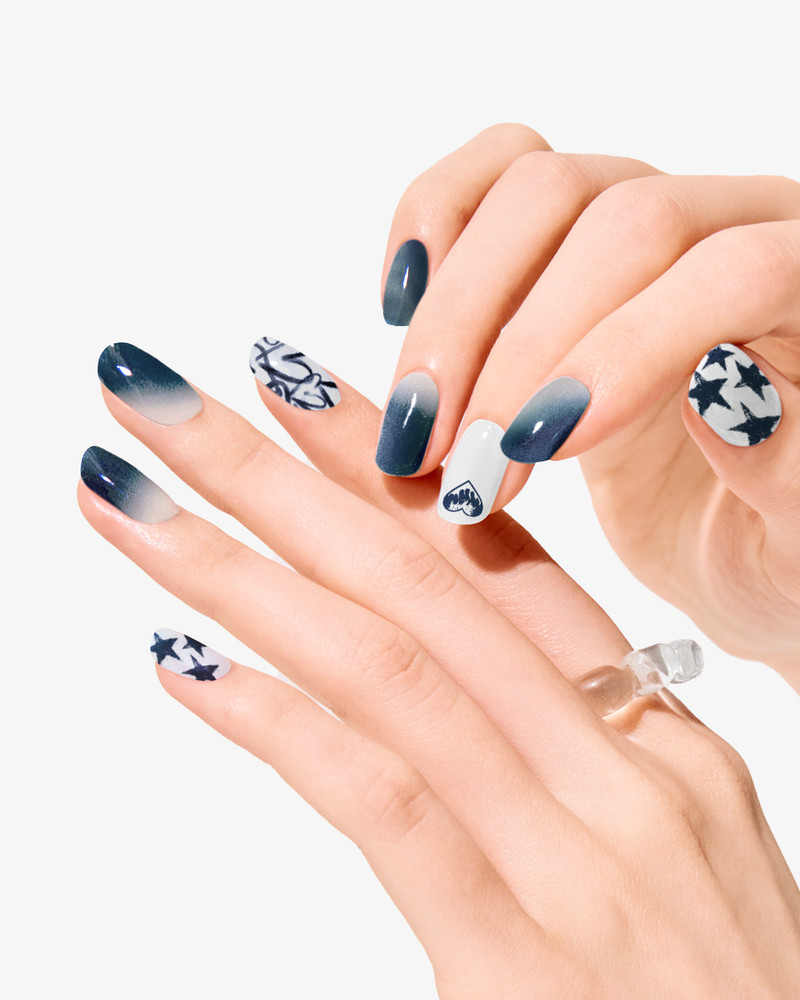
- Ombré effects
- Layered looks
- Fine-line art
- Color blocking
- Gradient designs
- Accent nails
This creates opportunities for brands to develop highly pigmented shades, liner-compatible products, glitter finishes, and complementary color combinations.
Rather than viewing each shade independently, brands can design collections around how colors work together.
Inclusive Shade Ranges Are Becoming More Important
Beauty customers increasingly expect product collections to recognize different preferences and skin tones.
For gel polish brands, this means moving beyond a narrow definition of nude colors.
A broader neutral range can include different undertones and depths so customers have more options for natural-looking manicures.
Inclusive color development is not simply about increasing the number of shades. The colors should be intentionally selected and tested on real nails under appropriate lighting.
Clean and Simple Branding
Packaging trends are also influencing the gel polish market.
Many modern beauty brands are choosing clean designs with restrained typography, simple labels, and carefully selected colors.
Minimal packaging can communicate:
- Professionalism
- Quality
- Simplicity
- Modernity
- Premium positioning
This does not mean every brand should look identical. The most effective packaging uses simplicity while maintaining a distinctive visual identity.
Sustainability Is Influencing Packaging Decisions
Environmental considerations are increasingly part of purchasing conversations.
Beauty brands are exploring ways to reduce unnecessary packaging, improve material choices, and make products more efficient to ship.
For gel polish brands, practical considerations may include appropriately sized boxes, reduced packaging layers, recyclable materials where suitable, and durable packaging that minimizes product damage.
Sustainability claims should be specific and accurate. Customers are increasingly capable of questioning vague environmental marketing.
Smaller Collections Can Create Stronger Demand
A common misconception is that a successful nail brand needs hundreds of colors.
In reality, a carefully selected collection can be easier to market and manage.
A focused range allows brands to:
- Control inventory
- Improve photography
- Create cohesive marketing
- Highlight best-selling colors
- Reduce customer choice overload
- Test new shades more effectively
Once the brand identifies its strongest products, future collections can be built around actual sales and customer feedback.
Professional Performance Remains a Priority
Trends may change quickly, but product performance remains fundamental.
A fashionable color will not create long-term customer loyalty if the formula is difficult to apply or inconsistent.
Professional users continue to care about:
- Coverage
- Consistency
- Application
- Curing
- Wear
- Removal
- Brush quality
- Shade accuracy
For this reason, successful product development needs to combine trend awareness with dependable technical performance.
Customization Gives Brands More Flexibility
Traditional mass-market products are designed for broad audiences.
Custom development can give beauty brands more control over aspects such as color direction, packaging, formula characteristics, bottle selection, and collection structure.
This flexibility can be particularly useful for brands serving a specific niche.
For example, a salon-focused company may want practical everyday colors and highly efficient formulas, while a fashion-oriented brand may prioritize unusual finishes and seasonal releases.
Customization allows the product strategy to reflect those differences.
Testing Trends Before Committing to Large Production
Not every trend deserves a permanent place in a product catalog.
Before investing heavily in a new shade or finish, brands can test the concept through samples, small collections, professional feedback, or limited releases.
Monitor:
- Customer interest
- Sales
- Repeat purchases
- Social engagement
- Professional feedback
- Product reviews
This information can help determine whether a trend has genuine commercial potential.
The Importance of Working With an Experienced Manufacturer
Turning a trend into a reliable product requires manufacturing expertise.
A manufacturer should be able to support the development process from sample production through larger-scale manufacturing while maintaining appropriate quality standards.
Brands should evaluate manufacturers based on more than their price.
Important considerations include:
- Formula development capabilities
- Sample quality
- Production consistency
- Packaging options
- Quality control
- Communication
- Manufacturing capacity
- Lead times
- Documentation
A strong manufacturing relationship gives brands more flexibility when responding to changing market preferences.
What the Future May Look Like
The gel polish market is likely to continue moving toward greater personalization, creative finishes, targeted collections, and stronger visual branding.
Consumers may continue looking for products that combine professional performance with distinctive aesthetics. At the same time, beauty brands will have more opportunities to develop collections around specific lifestyles, communities, occasions, and creative interests.
The brands best positioned for long-term growth will not necessarily be those that follow every trend. They will be the ones that understand their customers well enough to decide which trends fit their identity.
Final Thoughts
Custom gel polish trends are shaping more than color choices. They are influencing how beauty brands approach product development, packaging, personalization, sustainability, nail art, and customer experience.
Natural shades, bold colors, special effects, magnetic finishes, seasonal collections, inclusive neutrals, and minimalist packaging all offer opportunities for creative product development. But trends should always be balanced with practical considerations such as formula performance, quality control, inventory planning, and customer demand.
For modern beauty brands, the strongest strategy is to watch the market carefully, test promising ideas, and build collections that feel current without sacrificing reliability. A trend may attract a customer’s attention, but consistent quality and a memorable brand experience are what can turn that first purchase into long-term loyalty.