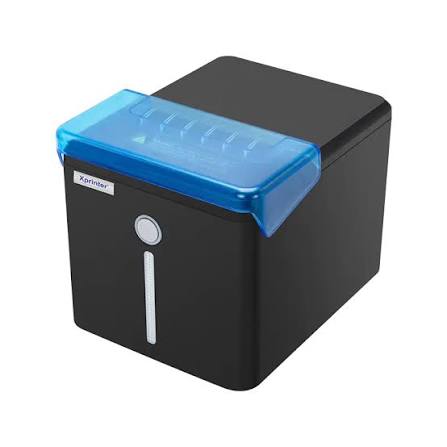
Printing technology plays an important role in modern business operations. From generating customer receipts to producing product labels and shipping documents, companies rely on printing equipment to manage information and maintain organized workflows. As businesses handle increasing numbers of transactions and products, they need printing solutions that are efficient, convenient, and suitable for their daily requirements.
Thermal printing has become a widely used option because it produces text, numbers, barcodes, and graphics through heat rather than conventional ink-based printing. An Xprinter Thermal Printer can serve different business needs depending on its printing method, specifications, and compatibility with existing systems. Exploring the applications of thermal printers across industries helps businesses understand where this technology can provide practical value.
Understanding Thermal Printing Technology
Thermal printers use a heated printhead to create images on specially designed printing materials. They are commonly used for receipts, labels, tickets, and other documents that businesses need to produce regularly.
There are two primary types of thermal printing technology.
Direct thermal printing uses heat-sensitive paper or labels. The printhead heats specific areas of the material, creating text and images without requiring ink or toner. This method is commonly used for receipts, temporary labels, and shipping documentation.
Thermal transfer printing uses heat to transfer ink from a ribbon onto a label or other compatible material. It is suitable for applications that require longer-lasting printed information, depending on the ribbon and label combination.
The appropriate technology depends on the document type, expected lifespan, printing volume, and operating environment.
1. Retail Stores and Supermarkets
Retail businesses are among the most common users of thermal printing equipment. Stores need to generate purchase receipts, product labels, and transaction records throughout the day.
Thermal receipt printers can connect with compatible point-of-sale (POS) systems to produce customer receipts after payments are completed. These receipts typically include product descriptions, quantities, prices, taxes, discounts, and transaction details.
Thermal label printers can also support retail inventory activities by producing product identification labels and barcode stickers. Employees can scan these barcodes to retrieve product information and update stock records.
Common retail applications include:
- Customer receipts and payment confirmations
- Product barcode labels
- Price and inventory identification
- Return and exchange documentation
- Promotional or shelf-related labels
Fast and readable printing helps retailers maintain organized checkout counters and product management processes.
2. Restaurants, Cafes, and Food Service Businesses
Restaurants and cafes handle frequent orders, payments, and customer requests. Thermal printers can support these activities by producing receipts and kitchen order tickets.
At the front counter, receipt printers provide customers with transaction records. In kitchens, compatible POS configurations can send order details to designated printers, allowing staff to prepare meals according to incoming requests.
This arrangement can reduce dependence on handwritten order notes and make communication between service employees and kitchen staff more organized.
Common applications include:
- Customer bills and receipts
- Kitchen order tickets
- Takeaway and delivery order records
- Payment confirmations
- Order identification labels
Food businesses should choose suitable printing equipment based on their kitchen environment, expected printing volume, and POS software compatibility.
3. Warehousing and Inventory Management
Warehouses manage large quantities of products that move between receiving areas, storage locations, picking stations, and dispatch departments. Accurate identification is essential for tracking these items.
Thermal label printers can produce barcode labels containing product codes, stock numbers, storage references, and other inventory information.
Employees can scan these labels to retrieve product details through compatible warehouse management systems. This helps reduce manual data entry and supports more organized stock movement.
Typical warehouse applications include:
- Product identification labels
- Storage bin and shelf labels
- Carton and pallet labels
- Inventory tracking barcodes
- Picking and packing labels
For warehouses that operate continuously, printing speed, media capacity, and equipment durability are important selection factors.
4. Logistics and Shipping Companies
Logistics companies handle packages that pass through several stages before reaching their destinations. Each package needs clear identification so employees and scanning systems can process it correctly.
Thermal printers are commonly used to produce shipping labels containing addresses, tracking numbers, barcodes, and handling information.
When connected to compatible shipping software, a printer can generate labels directly from order or shipment records. This reduces repetitive information entry and helps employees prepare packages more efficiently.
Thermal printing applications in logistics include:
- Parcel shipping labels
- Delivery identification stickers
- Tracking barcodes
- Package handling labels
- Dispatch documentation
For packages exposed to moisture, friction, or extended transportation conditions, businesses should select suitable label materials and printing methods.
5. Healthcare Facilities and Medical Laboratories
Healthcare organizations manage patient information, medical samples, prescriptions, and administrative records. Accurate identification is essential because information must remain associated with the correct patient or item.
Thermal printers can support healthcare workflows by producing identification labels, appointment documents, and transaction receipts.
In laboratories, barcode labels may be used to identify sample containers and connect physical samples with digital records. The printing equipment and label materials must meet the facility’s requirements for readability, handling, and environmental exposure.
Common healthcare applications include:
- Patient identification labels
- Laboratory sample labels
- Prescription-related labels
- Medical inventory identification
- Appointment and payment receipts
Healthcare facilities should also consider privacy, software integration, and applicable identification procedures when introducing printing equipment.
6. Pharmacies and Pharmaceutical Retail
Pharmacies process customer purchases, manage medicine inventories, and organize product information. Thermal printing can support several of these activities.
Receipt printers generate payment records, while label printers can produce product identification labels and internal inventory barcodes.
Depending on the software and workflow, printed labels may also contain batch references, expiry information, or other product details.
Typical applications include:
- Customer purchase receipts
- Product barcode labels
- Inventory identification
- Storage and shelf labels
- Internal tracking documentation
Pharmacies should ensure that printed information is accurate and that barcode labels remain readable throughout their intended use.
7. Manufacturing and Industrial Production
Manufacturing facilities need to identify raw materials, components, work-in-progress items, and finished products. Thermal printing provides a practical way to produce labels for different stages of production.
Barcode labels can connect physical products with digital records, helping employees track items through assembly, inspection, packaging, and storage.
Thermal printers may be used for:
- Component identification labels
- Serial number stickers
- Batch and lot identification
- Work order labels
- Finished product barcodes
- Packaging and carton labels
Industrial environments can expose labels to heat, chemicals, dust, and frequent handling. Thermal transfer printing with appropriate ribbons and durable label materials may be preferable when labels must withstand demanding conditions.
8. Transportation and Ticketing Services
Transportation businesses need to issue tickets and maintain records of passenger or vehicle-related transactions. Thermal printers can support ticket production in compatible systems.
Their ability to produce printed information quickly makes them useful at service counters and self-service terminals.
Common applications include:
- Bus and shuttle tickets
- Parking receipts
- Passenger transaction records
- Entry and access tickets
- Reservation confirmations
The selected printer should match the ticket dimensions, printing volume, software requirements, and environmental conditions of the transportation facility.
9. Hotels and Hospitality Businesses
Hotels, guesthouses, and other hospitality facilities manage reservations, payments, restaurant orders, and service transactions.
Thermal receipt printers can be integrated with compatible property management or POS systems to produce customer bills and transaction records.
For example, a hotel reception desk may print payment receipts, while its restaurant may use separate printers for food orders and customer bills.
Other applications include:
- Reception payment receipts
- Restaurant bills
- Service transaction records
- Reservation documentation
- Internal department tickets
Reliable printing helps hospitality employees complete administrative tasks and provide customers with clear transaction information.
10. E-Commerce and Online Retail Businesses
Online retailers need to process orders, prepare packages, and coordinate deliveries. Thermal printing can support these activities by producing shipping labels and order identification documents.
Once an order is confirmed, compatible e-commerce or shipping software can send the required information to a thermal printer.
Businesses can then print labels containing delivery addresses, tracking barcodes, order references, and other shipment details.
Common applications include:
- Shipping and return labels
- Order identification stickers
- Warehouse picking labels
- Package tracking barcodes
- Product identification labels
For growing online stores, printing speed and software integration can be especially important because order volumes may increase during seasonal sales and promotional periods.
11. Banking and Financial Service Counters
Banks and financial service providers generate transaction records for customers and internal operations. Thermal receipt printers can produce printed confirmations for compatible payment and service systems.
They may be used in service counters, payment terminals, and other applications where short transaction documents are required.
Examples include:
- Deposit and payment receipts
- Transaction confirmations
- Queue or service tickets
- Customer service records
- ATM-related receipt printing
Financial institutions should evaluate security procedures, system compatibility, and document requirements before selecting printing equipment.
12. Education and Administrative Institutions
Schools, colleges, universities, and training centers handle payments, student identification, library records, and administrative processes.
Thermal printers can support these activities by generating receipts, barcode labels, and identification documents.
For example, a library may use barcode labels to identify books and other materials. Administrative departments may use receipt printers to provide payment confirmations for fees and services.
Potential applications include:
- Fee payment receipts
- Library barcode labels
- Student record identification
- Event and entry tickets
- Administrative transaction documents
These applications can help institutions maintain organized records and simplify routine information management.
13. Events, Entertainment, and Visitor Management
Event organizers need to manage visitor entry, ticket verification, and payment activities. Thermal printing can support ticketing systems by producing printed tickets with identification details and scannable codes.
Depending on the system, tickets may include event names, dates, seat information, entry references, or QR codes.
Common applications include:
- Concert and exhibition tickets
- Museum admission tickets
- Visitor entry passes
- Parking tickets
- Event payment receipts
For these environments, businesses should consider print speed, ticket material, barcode readability, and compatibility with scanning equipment.
Key Factors When Selecting a Thermal Printer for Industry Use
Although thermal printing is suitable for many applications, different industries have different operating requirements. Choosing the correct equipment requires evaluating several specifications.
| Selection Factor | Why It Is Important |
|---|---|
| Printing method | Determines whether direct thermal or thermal transfer technology is more suitable |
| Printing speed | Supports the expected daily workload |
| Print resolution | Influences text, barcode, and graphic clarity |
| Media compatibility | Determines the supported paper and label materials |
| Connectivity | Ensures compatibility with computers, POS systems, and networks |
| Software support | Allows integration with business applications |
| Durability | Helps match the printer to its working environment |
| Maintenance | Influences long-term operating convenience |
Businesses should also consider warranty coverage, technical assistance, replacement parts, and the availability of compatible printing materials.
Best Practices for Maintaining Thermal Printing Equipment
Regular maintenance helps businesses maintain consistent print quality and reduce avoidable interruptions.
A few practical steps include:
- Use compatible materials: Select thermal paper, labels, and ribbons that meet the printer’s specifications.
- Clean the printhead: Remove dust and residue using manufacturer-approved cleaning methods.
- Inspect rollers and sensors: Check for debris or wear that could affect paper feeding and label positioning.
- Install suitable drivers: Keep software and printer configurations compatible with the connected system.
- Protect the equipment: Avoid unnecessary exposure to dust, moisture, and excessive heat.
- Train employees: Teach staff how to replace paper rolls, load labels, and identify common operating issues.
- Follow maintenance guidance: Use the manufacturer’s recommendations for inspection and servicing.
These steps can help maintain reliable operation across different business environments.
Conclusion
Thermal printers serve a wide range of industries by supporting receipt generation, barcode identification, label production, and ticket printing. Retail stores, restaurants, warehouses, healthcare facilities, logistics companies, manufacturers, and hospitality businesses all use thermal printing for different operational purposes.
The most suitable equipment depends on the application, printing volume, required media, software compatibility, and working environment. By understanding these requirements and selecting appropriate technology, businesses can use thermal printing to improve documentation, support accurate identification, and organize everyday operations more effectively.