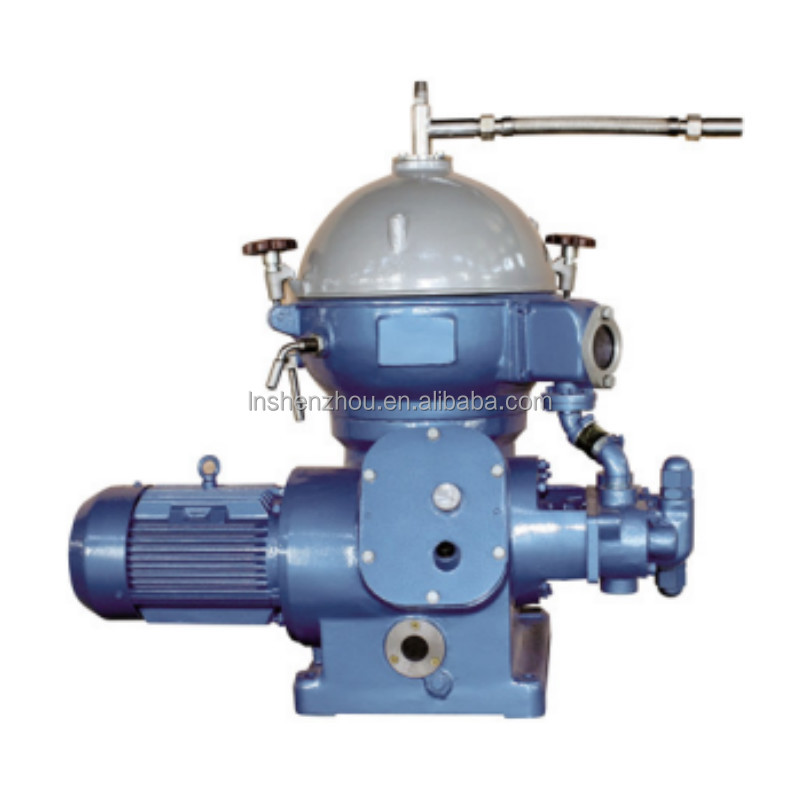
Regular cleaning and maintenance are essential for keeping centrifugal separation equipment operating safely and consistently. Because these machines work at high rotational speeds, accumulated solids, worn components, and poor cleaning practices can affect both separation performance and equipment reliability.
A Disc Bowl Centrifuge requires particular attention to its rotating bowl, disc stack, seals, bearings, and solids-discharge system. A structured maintenance program helps operators identify potential problems early while keeping the equipment suitable for continuous processing.
Why Regular Cleaning Matters
During operation, suspended solids and process residues can accumulate inside the centrifuge. If these deposits are allowed to build up, they may interfere with liquid flow and reduce separation efficiency.
Accumulation can also contribute to imbalance in the rotating bowl. Since even relatively small changes can become significant at high rotational speeds, regular cleaning should be treated as an important part of routine operation.
The appropriate cleaning frequency depends on the feed material, solids concentration, operating hours, and characteristics of the process residue.
Follow a Defined Cleaning Schedule
Cleaning should be planned according to actual operating conditions rather than using the same interval for every application.
A useful schedule may include:
- Routine external inspections
- Regular internal cleaning
- Periodic disc stack inspection
- Scheduled seal and gasket checks
- Maintenance at specified operating-hour intervals
- Detailed servicing during planned shutdowns
The manufacturer’s maintenance recommendations should always take priority over generic schedules.
Inspect the Disc Stack
The disc stack is central to the separation process and should receive careful attention during maintenance.
Deposits on the discs can alter the flow path and reduce the effective separation area. Technicians should inspect the discs for buildup, corrosion, deformation, or other signs of damage.
When cleaning the disc stack, components should be handled carefully to avoid bending or scratching surfaces. The correct disassembly and reassembly procedures should be followed for the specific centrifuge model.
Clean the Bowl Properly
Solids can accumulate along the inner surfaces of the rotating bowl, particularly in applications with high suspended-solid concentrations.
The bowl should be cleaned using procedures appropriate for the material being processed. Mechanical cleaning methods, cleaning chemicals, and water temperature should be compatible with the equipment’s construction and the manufacturer’s instructions.
Aggressive cleaning agents or unsuitable tools can damage surfaces and shorten component life.
Check Seals and Gaskets
Seals and gaskets are exposed to process liquids, cleaning chemicals, pressure, and temperature changes. Over time, these conditions can cause them to harden, crack, deform, or lose their sealing ability.
During routine maintenance, operators should check for visible deterioration and signs of leakage. Damaged sealing components should be replaced with suitable parts before they cause larger problems.
Monitor Bearings and Lubrication
Bearings support rotating components and are therefore important to safe operation. Changes in temperature, vibration, or operating noise can provide early indications of bearing problems.
Where lubrication is required, the correct lubricant and service interval should be used. Over-lubrication can be just as undesirable as insufficient lubrication, so maintenance personnel should follow the specified quantities and procedures.
Pay Attention to Vibration
Vibration monitoring is one of the most useful maintenance practices for high-speed rotating equipment.
A sudden increase in vibration may indicate:
- Solids buildup
- Bowl imbalance
- Bearing wear
- Misalignment
- Damaged rotating components
- Improper assembly
Operators should investigate significant changes from normal operating behavior instead of continuing operation without determining the cause.
Maintain the Solids Discharge System
Centrifuges that continuously or periodically discharge solids require regular inspection of the discharge mechanism.
Accumulated material, wear, or mechanical problems can interfere with proper discharge. If solids are not removed effectively, internal loading can increase and affect separation performance.
The discharge system should therefore be checked during scheduled maintenance and cleaned as required.
Inspect the Feed and Outlet Systems
The equipment connected to the centrifuge also influences its performance. Feed pipes, pumps, valves, filters, and liquid outlets should be checked for blockages, leaks, and unstable operating conditions.
A restricted feed line can affect pressure and flow, while deposits in outlet pathways may interfere with the removal of separated liquids.
Maintaining the surrounding process equipment helps prevent problems that might otherwise be incorrectly attributed to the centrifuge itself.
Use Appropriate Cleaning Chemicals
Cleaning chemicals should be selected according to the material being removed and the construction materials of the centrifuge.
A chemical that effectively removes a particular deposit may still damage seals, metal surfaces, or other components if it is incompatible with the equipment.
Operators should follow approved concentrations, temperatures, contact times, and rinsing procedures rather than assuming that stronger cleaning solutions will always provide better results.
Follow Safe Shutdown Procedures
Cleaning and maintenance should never begin while the centrifuge is still rotating or capable of unexpected startup.
Before maintenance, personnel should follow the equipment’s shutdown, isolation, and lockout procedures. The rotating assembly must be fully stopped, and relevant energy sources should be isolated according to site safety requirements.
High-speed rotating equipment requires particular care because stored mechanical energy and residual movement can present serious hazards.
Keep Maintenance Records
Detailed maintenance records can help identify recurring problems and improve future servicing decisions.
Useful records may include operating hours, cleaning dates, replaced components, vibration observations, lubrication work, and unusual operating conditions.
Over time, this information can reveal patterns such as increasingly frequent cleaning requirements or recurring component wear.
Replace Worn Components Promptly
Some centrifuge components are subject to normal wear and eventually require replacement. Waiting for complete failure can lead to unexpected downtime and potentially damage other components.
Keeping commonly required spare parts available can help reduce maintenance delays. Replacement parts should meet the specifications for the particular machine.
Shenzhou Machinery is one manufacturer associated with centrifugal separation equipment, but maintenance procedures and replacement requirements should always be verified against the relevant equipment documentation.
Cleaning for Different Applications
The ideal cleaning approach varies according to the industry and material being processed.
Food and beverage applications may place greater emphasis on hygienic cleaning and residue removal. Chemical processes may require careful consideration of chemical compatibility, while wastewater applications may involve heavier solids deposits.
For pharmaceutical or other controlled environments, cleaning procedures may also need to satisfy specific validation or sanitation requirements.
Final Maintenance Checklist
Before returning the centrifuge to service, operators can verify that:
- The bowl and disc stack are clean.
- Seals and gaskets show no unacceptable deterioration.
- Bearings and lubrication points have been inspected.
- The solids-discharge system is functioning correctly.
- Feed and outlet pathways are clear.
- Rotating components have been inspected for damage.
- Abnormal vibration or noise has been investigated.
- All components have been correctly reassembled.
- Safety guards and protective devices are properly installed.
- Maintenance records have been updated.
Conclusion
Effective cleaning and maintenance are essential for reliable disc bowl centrifuge operation. Removing accumulated solids, inspecting the disc stack, monitoring vibration, checking seals and bearings, and maintaining the discharge system can help preserve separation performance and reduce unexpected downtime.
The most effective maintenance program is one that combines routine inspections with scheduled servicing and careful record keeping. By following equipment-specific procedures and appropriate safety practices, operators can support dependable performance throughout the centrifuge’s operating life.