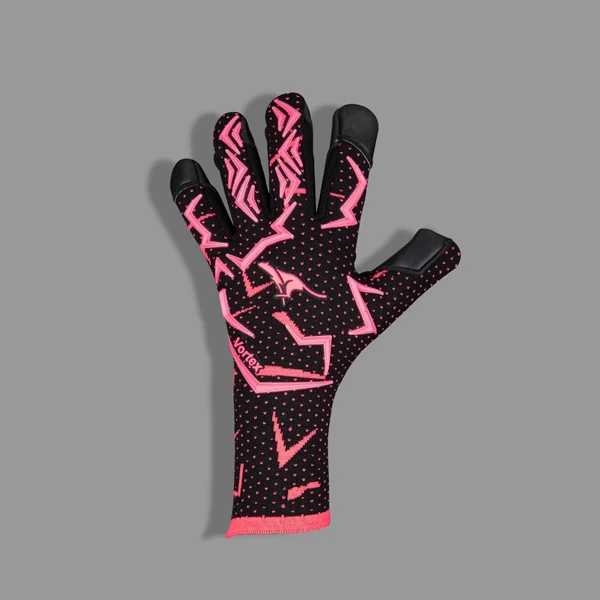
Goalkeeper gloves are an important part of a player’s football equipment. A good pair should provide a comfortable fit while helping the goalkeeper handle the ball with confidence during training and matches.
For younger players especially, choosing gloves that match their hand size, playing style, and level of experience can make a noticeable difference. Features such as the cut, palm material, wrist support, flexibility, and overall fit are worth considering before making a purchase.
Techgrip offers goalkeeper equipment and sports products designed to support players across different levels of the game.
Why the Right Goalkeeper Glove Matters
A goalkeeper uses their hands constantly during a match. From catching crosses to making saves and controlling the ball, gloves need to provide a suitable combination of grip, flexibility, and comfort.
A glove that feels too loose can affect control, while one that is too tight may restrict natural hand movement.
Young players can benefit from paying particular attention to sizing because their hands are still developing.
Understanding Glove Cuts
The cut of a goalkeeper glove affects how the glove fits around the fingers and palm. Different cuts provide different sensations and levels of contact.
Some players prefer a closer fit that allows them to feel more connected to the ball. Others may prefer a roomier design that provides a different balance of comfort and flexibility.
Understanding these differences can help players select gloves that suit their preferences.
Exploring Vortex Cut Gloves
Vortex Cut Gloves are an option for players looking for a goalkeeper glove design with a distinctive finger and palm construction.
When considering this type of glove, players should pay attention to how the cut fits around their fingers and whether it allows natural hand movement.
A suitable fit should feel secure without creating uncomfortable pressure points.
What Makes a Good Goalkeeper Glove?
Several features can influence the performance and comfort of a goalkeeper glove.
Grip
The palm should provide suitable grip for the playing conditions and type of football being played.
Fit
A secure fit helps prevent unnecessary movement inside the glove.
Flexibility
Goalkeepers need to move their fingers naturally when catching, punching, or throwing the ball.
Wrist Support
A well designed wrist closure can help keep the glove secure during movement.
Durability
Players who train frequently may want to consider materials and construction that can withstand regular use.
Choosing Gloves for Younger Goalkeepers
Young goalkeepers are still developing their technique and confidence. Their gloves should therefore feel comfortable and allow them to move their hands naturally.
Negative Cut Junior Goalkeeper Gloves can be considered by young players who prefer a close fitting design.
The tighter construction can provide a more direct feel around the fingers, although individual preferences and hand shape should always be considered.
Understanding the Negative Cut
A negative cut generally positions the stitching on the inside of the glove, creating a closer fit around the fingers.
This design can appeal to goalkeepers who prefer a snug sensation and direct contact with the ball.
However, comfort remains important. A glove should not feel excessively tight, and players should check the sizing information before purchasing.
Grip and Ball Control
Grip is one of the most important features of a goalkeeper glove. A suitable palm can help players catch and hold the ball more confidently.
However, grip performance can vary depending on the palm material, weather, playing surface, and condition of the gloves.
Players should also maintain their gloves properly to help preserve the palm over time.
Gloves for Training and Match Play
The requirements of training gloves and match gloves may differ. Players who train regularly may want a durable option that can handle repeated use.
Match gloves may be selected with greater emphasis on grip, fit, and playing conditions.
Young goalkeepers can benefit from having gloves that are appropriate for their regular training environment rather than choosing equipment based only on appearance.
Getting the Size Right
Correct sizing is essential when purchasing goalkeeper gloves.
Players should use the manufacturer’s sizing guide and compare it with their hand measurements where possible. Gloves should fit securely while leaving enough room for comfortable finger movement.
A glove that is significantly oversized may reduce control, while an excessively tight glove can become uncomfortable during longer sessions.
Caring for Goalkeeper Gloves
Proper care can help goalkeeper gloves remain usable for longer.
Players should follow the manufacturer’s cleaning instructions and avoid exposing the gloves to unnecessary heat. After use, gloves should be allowed to dry appropriately rather than being stored while damp.
The palm should also be protected from rough surfaces whenever possible.
Selecting Gloves Based on Playing Style
Every goalkeeper develops their own preferences. Some players prioritize a close fitting glove, while others prefer greater flexibility or a different palm feel.
Younger players can experiment with different designs as they develop their technique and learn what feels most comfortable.
The best choice is usually the glove that fits properly and supports the player’s individual style.
Why Young Goalkeepers Should Not Ignore Comfort
Comfort can influence concentration during a match. If gloves feel uncomfortable or restrict movement, players may become distracted from their positioning and technique.
A properly fitted glove allows the goalkeeper to focus more easily on reading the game, communicating with teammates, and making saves.
Making a Practical Purchase
Before choosing goalkeeper gloves, consider the player’s age, hand size, training frequency, playing conditions, preferred fit, and budget.
It is also useful to review the glove specifications and care requirements before purchasing.
Taking a little time to compare these factors can help young goalkeepers find equipment that suits their needs.
Conclusion
The right goalkeeper gloves can support comfort, confidence, and ball control during training and matches. Players should consider the glove cut, palm grip, sizing, flexibility, wrist closure, and durability when comparing different options.
Vortex Cut Gloves can suit players looking for a particular glove construction and fit, while Negative Cut Junior Goalkeeper Gloves may appeal to younger players who prefer a closer feel around the fingers.
With the right fit and proper care, goalkeeper gloves can become a dependable part of a young player’s football equipment. Techgrip provides sports equipment options for players looking to find suitable gear for their training and playing needs.