Drinkware has become an important product category for retail stores, promotional merchandise companies, corporate gifting businesses, and event organizers. From reusable water bottles and insulated tumblers to coffee mugs and travel cups, these products serve everyday needs while offering opportunities for businesses to expand their product ranges and connect with customers. As demand for practical and reusable drinkware continues to grow, purchasing in bulk has become an effective sourcing strategy.
For businesses that regularly sell or distribute beverage containers, choosing Drinkware Wholesale options can provide several operational and financial advantages. Wholesale purchasing allows companies to manage inventory more efficiently, explore different product styles, and maintain a consistent supply of popular items. Understanding these benefits can help business owners make better purchasing decisions and develop a more competitive product offering.
1. Lower Product Costs and Better Profit Margins
One of the most significant advantages of wholesale purchasing is the opportunity to reduce the cost per unit. Suppliers often offer more competitive pricing for larger orders, allowing retailers and promotional businesses to purchase products at lower rates than they might through smaller individual orders.
Lower purchasing costs can create additional flexibility in pricing strategies. Retailers may use the savings to improve profit margins, offer competitive prices, or introduce seasonal discounts without significantly affecting profitability.
For promotional businesses, reduced sourcing costs can also make large campaigns more affordable, particularly when supplying customized drinkware to corporate clients or event organizers.
2. Consistent Inventory Availability
Maintaining sufficient stock is essential for businesses that depend on regular drinkware sales or recurring promotional orders. Running out of popular products can result in missed sales opportunities and dissatisfied customers.
Wholesale purchasing helps businesses maintain a more dependable inventory supply. By ordering suitable quantities in advance, companies can prepare for seasonal demand, promotional campaigns, and periods of increased customer activity.
A well-planned inventory strategy also reduces the need for frequent emergency purchases, which may involve higher prices or additional shipping expenses.
3. Greater Variety of Products
Customers have different preferences when choosing drinkware. Some prioritize durability, while others focus on appearance, portability, insulation, or affordability.
Wholesale suppliers typically provide access to a broad selection of products, including:
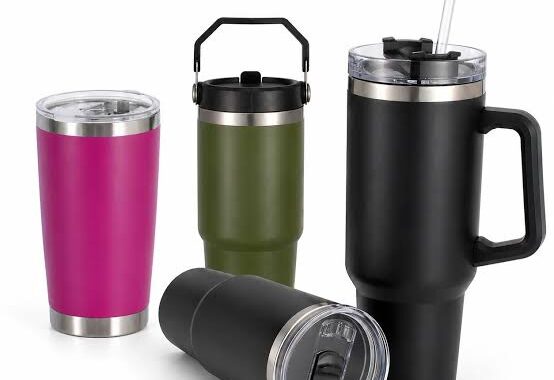
- Reusable Water Bottles: Suitable for everyday hydration, fitness activities, and outdoor use.
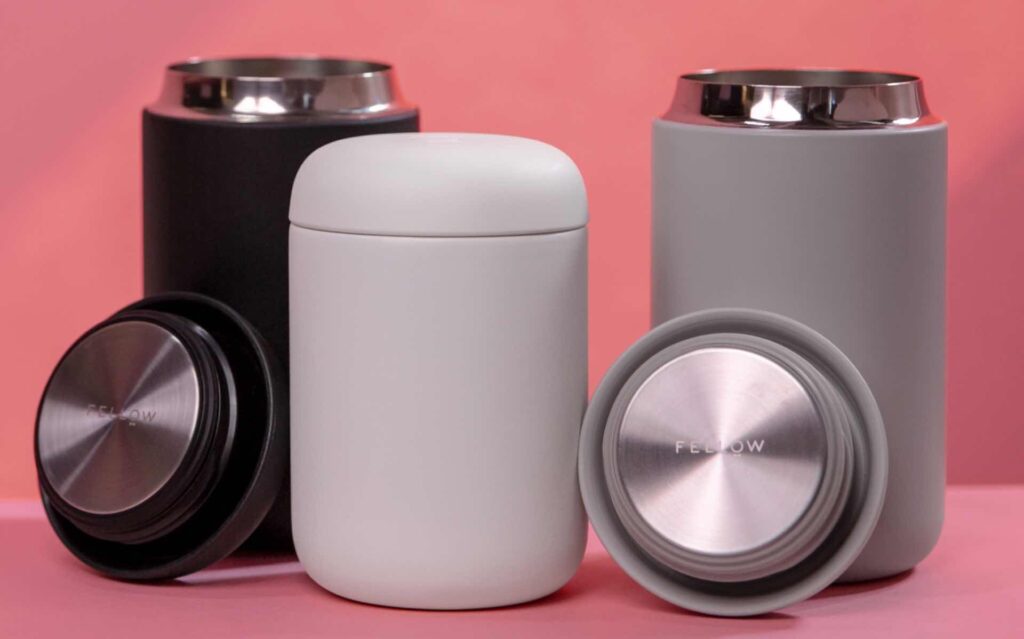
- Insulated Tumblers: Designed to help maintain beverage temperatures and provide convenience.
- Coffee Mugs: Popular among household consumers, office workers, and corporate gifting businesses.
- Travel Cups: Practical options for customers who regularly commute or travel.
- Promotional Drinkware: Products that can be customized for marketing campaigns, events, and business giveaways.
- Sports Bottles: Functional products commonly used by fitness centers, sports clubs, and active consumers.
This variety allows retailers to serve different market segments and gives promotional companies more flexibility when developing customized merchandise packages.
4. Better Opportunities for Branding and Customization
Drinkware is widely used as a promotional product because it combines everyday functionality with repeated brand exposure. A reusable bottle or coffee mug featuring a company logo can remain in use for months or even years.
Buying in bulk can make customized merchandise programs more manageable. Businesses can explore options such as logo printing, engraved designs, branded colors, and personalized packaging, depending on supplier capabilities.
These products are useful for several promotional purposes:
- Corporate gifts for employees and business partners.
- Trade show giveaways and exhibition merchandise.
- Customer appreciation campaigns.
- Event souvenirs and branded merchandise.
- Employee welcome kits and onboarding packages.
Customization requirements should be confirmed before production, including artwork specifications, printing methods, color accuracy, and minimum order quantities.
5. Improved Business Planning and Procurement
Wholesale purchasing can simplify procurement for businesses that regularly need drinkware. Instead of placing multiple small orders throughout the year, companies can organize purchases around projected demand and available storage capacity.
This approach makes it easier to estimate purchasing expenses, coordinate deliveries, and maintain more predictable inventory levels.
Businesses can also establish ongoing relationships with suppliers, potentially making future orders and product planning more straightforward. However, purchase commitments should always be based on realistic sales forecasts rather than assumed demand.
6. Competitive Advantages for Retail Businesses
Retailers operate in competitive markets where product selection, pricing, and availability influence purchasing decisions. Access to wholesale drinkware can help stores build a diverse product range while managing sourcing costs.
For example, a retailer might offer affordable everyday bottles alongside premium insulated tumblers and stylish reusable coffee cups. This creates opportunities to appeal to customers with different budgets and preferences.
Retail businesses can also introduce seasonal collections, limited-edition designs, and gift-oriented product bundles to attract additional customer interest.
A balanced product assortment is often more effective than investing heavily in a single drinkware category.
7. Cost-Effective Solutions for Promotional Businesses
Promotional merchandise companies frequently handle orders involving large quantities of customized products. These orders may be required for conferences, corporate events, product launches, employee programs, and marketing campaigns.
Wholesale purchasing can help these businesses manage project costs while maintaining access to different product styles and specifications.
For example, an event organizer may require hundreds of branded water bottles, while a corporate client may prefer customized insulated tumblers for employee gifts.
Having access to different product categories makes it easier to match merchandise with campaign objectives, target audiences, and available budgets.
8. Opportunities to Respond to Sustainable Consumer Preferences
Reusable drinkware has become increasingly relevant as consumers pay more attention to waste reduction and product longevity. Many customers prefer products that can be used repeatedly instead of relying on disposable beverage containers.
Retailers and promotional businesses can respond to this interest by offering reusable bottles, stainless steel tumblers, glass drinkware, and products made with recycled materials where available.
However, businesses should evaluate environmental claims carefully. Material composition, product lifespan, manufacturing practices, and recyclability all influence the actual environmental impact of a product.
Providing accurate product information helps customers make informed purchasing decisions and supports more responsible merchandising.
9. What to Consider Before Placing a Wholesale Order
Although bulk purchasing offers several advantages, businesses should evaluate important details before committing to a large order.
Product Quality and Materials
Check the construction, finish, durability, and material specifications of each product. Requesting samples can help verify whether the items meet customer expectations.
Minimum Order Quantities
Different products and customization services may have different minimum order requirements. Confirm these conditions before preparing a purchasing budget.
Supplier Reliability
Evaluate supplier communication, production capacity, quality control procedures, and delivery estimates. Consistent service is particularly important for businesses managing recurring orders.
Total Purchasing Costs
Look beyond the listed unit price. Consider customization charges, packaging expenses, transportation, customs duties where applicable, and other additional costs.
Storage and Inventory Requirements
Large orders require adequate storage space and proper inventory management. Estimate expected sales before purchasing quantities that may remain unsold for extended periods.
10. How Wholesale Drinkware Supports Long-Term Business Growth
Wholesale purchasing can contribute to business growth when it is supported by effective product selection and inventory planning.
Retailers can use bulk sourcing to expand their catalogs, test new product categories, and respond to changing customer preferences. Promotional companies can use it to manage larger projects, serve corporate clients, and develop more flexible merchandise packages.
Over time, consistent purchasing practices can also improve supplier relationships and make procurement more predictable. The key is to balance purchasing volume with actual demand, product quality, and available working capital.
Conclusion
Buying drinkware in bulk offers meaningful benefits for both retail and promotional businesses. Lower unit costs, improved inventory availability, greater product variety, and customization opportunities can help companies manage their operations and serve customers more effectively.
However, successful wholesale purchasing requires careful attention to product specifications, supplier reliability, pricing structures, and inventory requirements. By evaluating these factors before placing orders, businesses can make informed sourcing decisions and build a drinkware product range that supports their long-term commercial goals.