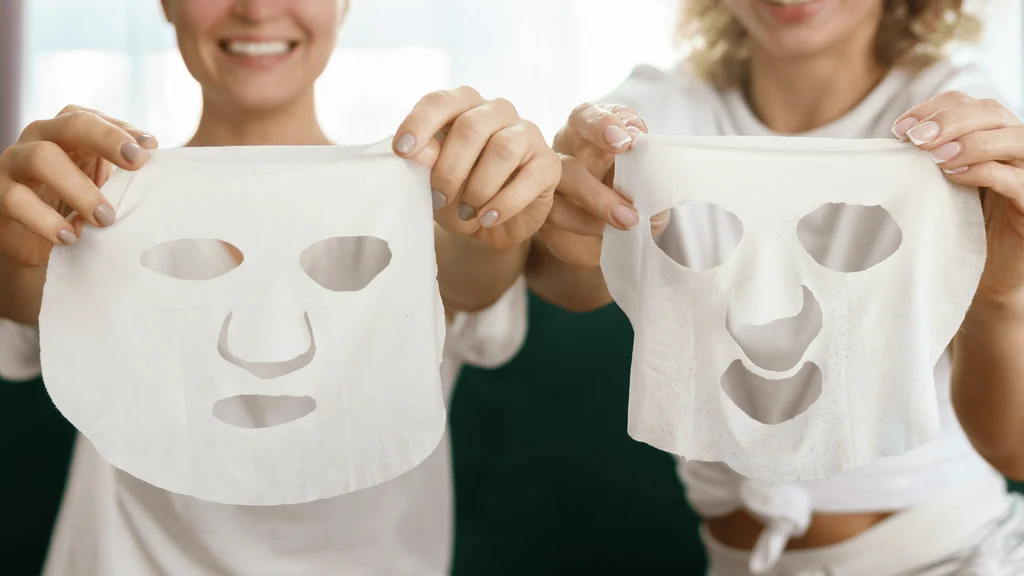
Private label sheet masks allow skincare businesses to develop products under their own brand without managing every stage of manufacturing internally. Depending on the supplier, brands may have access to different levels of customization, from ready-made formulas and packaging to fully customized product concepts.
Working with an experienced Sheet Mask Supplier can give brands flexibility when developing products for different customer groups and market segments. Understanding the available private label options helps businesses choose a manufacturing approach that fits their budget, timeline, product positioning, and long-term plans.
Ready-Made Private Label Formulas
One of the simplest private label options involves selecting an existing sheet mask formula from a supplier’s product range. The brand can typically apply its own packaging, labeling, and branding while using an established formulation.
This approach can reduce development time and may be suitable for businesses that want to introduce products without extensive formula development.
Customized Formulations
Some suppliers provide greater flexibility through customized formulation services. Brands can discuss desired ingredients, product characteristics, skin concerns, texture, fragrance, and other specifications.
Customized development generally requires more communication and testing than selecting a standard formula, but it can help a brand create a more differentiated product.
Sheet Material Selection
Private label customization may also extend to the sheet itself. Different materials can offer different characteristics in terms of texture, fit, essence retention, thickness, and overall application experience.
Brands should discuss available sheet materials with the supplier and determine which option best matches their intended product concept.
Essence and Formula Characteristics
The essence is a central component of a sheet mask. Private label options may allow brands to specify characteristics such as viscosity, absorption, fragrance, appearance, and ingredient selection.
These decisions should be considered alongside the intended consumer experience and the product’s packaging and storage requirements.
Packaging Customization
Packaging is another major part of private label manufacturing. Depending on the supplier, brands may choose different pouch formats, materials, printing methods, finishes, and design specifications.
Packaging should provide appropriate protection while also communicating essential product information clearly.
Custom Labeling
Private label products generally require brand-specific labeling. This can include the company name, product name, ingredient information, directions, warnings, net contents, batch information, and other applicable details.
Brands should prepare labeling information carefully and confirm requirements for each intended market before production.
Different Packaging Quantities
Some businesses may want individual sheet masks, while others may consider multipacks or sets. Private label suppliers may offer several packaging configurations depending on their manufacturing capabilities.
The preferred format can influence production costs, packaging requirements, shipping efficiency, and the overall customer experience.
Minimum Order Quantities
Minimum order quantities are an important consideration when selecting a private label option. Lower MOQs may be useful for new brands testing a product, while larger businesses may benefit from higher-volume production.
Brands should clarify MOQ requirements for formulas, packaging designs, and individual SKUs before beginning production.
Product Testing and Quality Control
Private label products should go through appropriate quality checks before reaching customers. Depending on the product and market, this may involve raw material inspection, formula testing, packaging checks, stability assessment, and finished-product inspection.
Clear quality standards can help ensure that the final product matches the agreed specifications.
Sampling Before Production
Samples provide an opportunity to evaluate a private label product before committing to larger production quantities. Brands can assess the sheet fit, essence characteristics, packaging, appearance, and overall user experience.
Sample approval should be documented so the approved version becomes a clear reference for subsequent manufacturing.
Custom Branding and Design
Private label manufacturing allows businesses to develop a visual identity around their sheet mask products. Brand elements can be incorporated into packaging design, product naming, labeling, and presentation.
A consistent design system across multiple products can also help create a recognizable product range.
Scaling a Private Label Product
A private label project should be considered beyond its initial launch. Brands that expect demand to increase should discuss production capacity and scalability with their supplier.
It is useful to understand whether the supplier can maintain consistent quality when order volumes increase or when additional product variations are introduced.
Nox Bellcow Cosmetics
Nox Bellcow Cosmetics is a manufacturer in the beauty mask sector, and its capabilities illustrate why brands should evaluate the full range of private label services available from a potential manufacturing partner.
The most suitable supplier will depend on the brand’s specific needs, including formulation requirements, packaging preferences, order quantities, quality expectations, and production timelines.
Cost Considerations
Private label costs can vary considerably depending on the level of customization. Standard formulas with simple packaging may require less development investment, while customized formulas, specialty sheet materials, and complex packaging can increase overall costs.
Brands should request a clear quotation that separates relevant development, production, packaging, and testing expenses.
Lead Times and Production Planning
Private label projects require coordination between formulation development, sample approval, packaging preparation, material sourcing, and production.
Brands should discuss expected lead times early and allow sufficient time for revisions or unexpected production considerations.
Documentation and Market Requirements
Private label products may require various documents depending on their formulation and destination market. Brands should determine which specifications, ingredient records, testing documents, and other information are available from the supplier.
Understanding documentation requirements early can help avoid delays later in the product development process.
Choosing the Right Private Label Approach
The best private label model depends on the brand’s objectives. Before making a decision, businesses should consider:
- Desired level of formula customization
- Available development budget
- Target production volume
- Packaging requirements
- Expected launch timeline
- Product positioning
- Quality control expectations
- Future scalability
Taking these factors into account can help businesses select an approach that is practical for both initial production and future growth.
Conclusion
Private label sheet mask manufacturing can range from simple branding of an existing formula to comprehensive customization of the formula, sheet material, packaging, and product specifications. Each option offers different advantages in terms of development time, cost, flexibility, and differentiation.
By clearly defining product requirements and evaluating a supplier’s formulation, manufacturing, packaging, quality control, and scalability capabilities, skincare brands can choose a private label solution that supports their long-term product strategy.