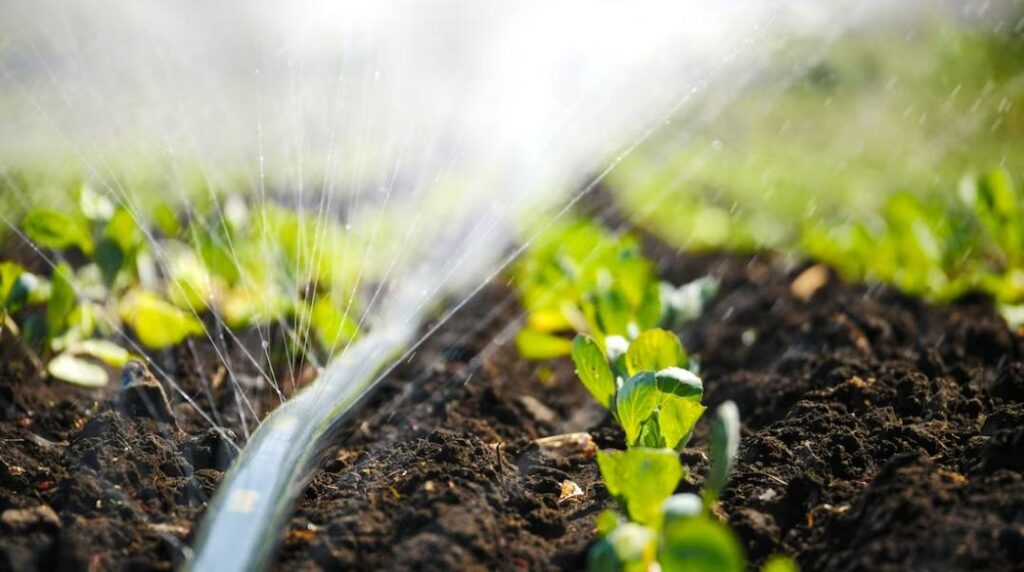
Choosing a reliable supplier is an important step when purchasing irrigation components in large quantities. The right supplier should be able to provide consistent product quality, accurate specifications, suitable quantities, and dependable service for different irrigation requirements.
When evaluating Drip Irrigation Wholesale Suppliers, buyers should look beyond pricing alone. Product consistency, material quality, technical specifications, order flexibility, and communication can all affect the success of an irrigation project.
Evaluate Product Quality
Quality should be one of the first considerations when comparing wholesale suppliers. Irrigation components may be exposed to sunlight, water pressure, soil, temperature changes, and agricultural chemicals.
Ask about the materials used for tubing, emitters, connectors, filters, valves, and other components. Products should be appropriate for the intended application and operating conditions.
Check Product Specifications
Different irrigation systems require specific dimensions and performance characteristics. Before placing a wholesale order, review specifications such as tubing diameter, emitter flow rate, spacing, pressure range, and connection sizes.
Clear and detailed specifications make it easier to determine whether components will work together properly. They also reduce the risk of receiving products that are unsuitable for the planned system.
Consider Product Consistency
For large irrigation projects, consistency between batches can be important. Variations in dimensions, flow rates, or material quality may create installation and performance issues.
Ask how product quality is monitored and whether specifications remain consistent across larger orders. This is particularly relevant when supplies will be used across multiple irrigation zones or projects.
Review Available Product Categories
A reliable supplier should be able to support the different components needed for an irrigation system. Depending on the project, buyers may require:
- Drip tubing and driplines
- Emitters and drippers
- Filters
- Pressure regulators
- Valves
- Connectors and fittings
- Mainline and distribution components
- Flushing accessories
Access to compatible components can simplify procurement and system planning.
Compare Wholesale Pricing Carefully
Price is an important factor, but it should not be the only basis for selecting a supplier. A lower purchase price may not provide good value if the components have poor durability or inconsistent performance.
Compare the total cost, including product pricing, shipping, replacement requirements, storage, and potential maintenance expenses. A balanced comparison can provide a clearer picture of overall value.
Ask About Minimum Order Quantities
Wholesale suppliers may have minimum order requirements. Before proceeding, confirm whether the required quantity matches your project size and budget.
If the minimum order is significantly larger than your actual needs, consider storage requirements and the possibility of unused inventory. For larger projects, however, suitable minimum quantities may simplify purchasing and inventory management.
Check Production and Supply Capacity
Large agricultural or commercial projects may require substantial quantities of irrigation materials. A supplier should have sufficient production or inventory capacity to meet the expected order volume.
Ask about lead times, available quantities, and the process for handling repeat orders. Reliable supply planning can help prevent installation delays.
Evaluate Communication and Support
Clear communication is valuable when purchasing technical irrigation components. Suppliers should be able to provide accurate product information and respond to questions about specifications, quantities, and compatibility.
Good communication can also make it easier to resolve issues if a shipment contains incorrect or damaged materials.
Consider Quality Control
Quality control processes can provide useful information about how consistently irrigation products are manufactured. Buyers may want to ask about inspections, testing procedures, material standards, and production controls.
The specific quality requirements will depend on the intended application, but suppliers should be able to explain how they maintain product consistency.
Review Packaging and Shipping Practices
Proper packaging is important when transporting irrigation supplies in bulk. Tubing, fittings, emitters, and other components can be damaged if they are poorly packed or handled.
Before placing an order, consider how products will be packaged, labeled, and protected during transportation. Accurate packaging can also make receiving and inventory management easier.
Check Replacement and After-Sales Policies
Even durable irrigation components may occasionally need replacement. Before purchasing, understand the supplier’s policies regarding damaged products, incorrect quantities, defects, and replacement parts.
Having clear procedures in place can reduce uncertainty if an issue occurs after delivery.
Consider Long-Term Supply Relationships
For farms, contractors, nurseries, and distributors that purchase irrigation components regularly, a long-term supplier relationship can simplify procurement.
Consistent specifications, predictable lead times, and clear communication can make repeat ordering easier. However, buyers should periodically review pricing and product quality to ensure the relationship continues to meet their requirements.
Request Samples for Large Orders
When practical, requesting samples before placing a large order can help buyers evaluate material quality, dimensions, flexibility, fittings, and overall construction.
Testing samples under realistic conditions can also help determine whether the components are compatible with the existing irrigation system.
Final Considerations
Choosing reliable Drip Irrigation Wholesale Suppliers requires a balanced evaluation of product quality, specifications, pricing, supply capacity, communication, and service.
Rather than selecting a supplier based solely on the lowest price, buyers should consider long-term reliability and compatibility with their irrigation requirements. Careful evaluation before placing a wholesale order can help reduce procurement risks and support a more dependable irrigation system.