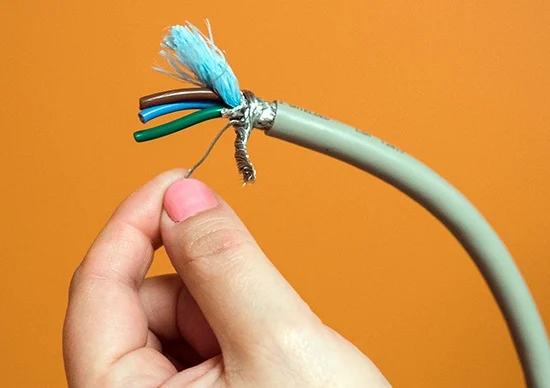
Industrial environments demand reliable electrical systems that can operate continuously under challenging conditions. From manufacturing plants and power generation facilities to oil and gas operations, industrial equipment depends on accurate signal transmission for safe and efficient performance. A Shielded Cable is specifically designed to protect electrical and communication signals from external interference, making it an essential component in modern industrial systems. By reducing electromagnetic interference, improving signal quality, and enhancing system reliability, shielded cables help businesses maintain smooth operations and minimize costly downtime.
Protects Against Electromagnetic Interference
One of the most significant benefits of a shielded cable is its ability to block electromagnetic interference (EMI). Industrial facilities contain numerous sources of electrical noise, including:
- Electric motors
- Variable frequency drives (VFDs)
- Transformers
- Welding equipment
- High-voltage power lines
- Large electrical machines
Without proper shielding, these sources can disrupt communication signals and reduce system performance. Shielded cables help isolate sensitive electrical signals from surrounding interference.
Improves Signal Integrity
Industrial control systems rely on accurate communication between controllers, sensors, actuators, and machinery. Even minor signal distortion can result in equipment errors or production interruptions.
Shielded cables help maintain:
- Stable signal transmission
- Accurate control signals
- Reliable data communication
- Consistent equipment operation
Improved signal integrity ensures automation systems perform as intended, even in electrically noisy environments.
Enhances Equipment Reliability
Reliable communication is essential for maintaining the performance of industrial equipment. Signal interruptions caused by electrical interference may lead to equipment malfunctions or unexpected shutdowns.
Using shielded cables helps:
- Reduce communication failures
- Improve machine reliability
- Maintain continuous operation
- Increase production efficiency
Reliable equipment operation also contributes to higher productivity and lower maintenance costs.
Supports Industrial Automation
Automation has become a key part of modern manufacturing and processing facilities. Automated systems depend on uninterrupted communication between various components.
Shielded cables are widely used in:
- Programmable logic controllers (PLCs)
- Robotics
- Conveyor systems
- Machine control panels
- Sensors
- Process control equipment
Their ability to maintain stable communication improves the overall efficiency of automated production systems.
Reduces Downtime
Unexpected downtime is one of the most expensive problems in industrial operations. Electrical interference can cause communication failures that stop production or trigger unnecessary maintenance activities.
Shielded cables reduce these risks by providing dependable signal protection.
This leads to:
- Fewer equipment failures
- Reduced production interruptions
- Lower maintenance costs
- Increased operational efficiency
Minimizing downtime helps businesses improve profitability and maintain production schedules.
Performs Well in Harsh Industrial Conditions
Industrial environments often expose cables to demanding operating conditions. High-quality shielded cables are built to withstand:
- High temperatures
- Moisture
- Oil exposure
- Chemicals
- Mechanical abrasion
- Continuous vibration
Their durable construction allows them to maintain reliable performance even in challenging environments, extending the service life of the entire electrical system.
Improves Data Transmission Accuracy
Many industrial processes depend on accurate data collection and monitoring. Sensors, measuring devices, and communication systems continuously exchange information that controls equipment operation.
Shielded cables help ensure:
- Accurate data transfer
- Reliable monitoring
- Stable communication networks
- Reduced transmission errors
This level of accuracy supports better process control and product quality.
Increases Workplace Safety
Reliable electrical communication contributes to safer industrial operations. Signal errors caused by interference may result in incorrect equipment responses or unexpected machine behavior.
Shielded cables help improve safety by:
- Maintaining dependable control signals
- Reducing electrical noise
- Supporting accurate emergency systems
- Improving system stability
Reliable communication helps protect both equipment and personnel.
Compatible with Multiple Industrial Applications
Shielded cables are suitable for a wide range of industrial systems. Their versatility allows them to support various applications across different industries.
Common uses include:
- Manufacturing plants
- Power generation facilities
- Oil and gas operations
- Chemical processing
- Water treatment plants
- Mining operations
- Food processing
- Pharmaceutical production
Their broad compatibility makes them a valuable solution for many industrial projects.
Long-Term Cost Savings
Although shielded cables often have a higher initial purchase cost than unshielded alternatives, they frequently reduce overall operating expenses.
Long-term financial benefits include:
- Lower maintenance costs
- Reduced cable replacement
- Fewer equipment failures
- Less production downtime
- Extended system lifespan
Investing in quality shielded cables often results in better total lifecycle value.
Supports Modern Industrial Technologies
Today’s industrial facilities increasingly rely on advanced digital technologies, including Industrial Internet of Things (IIoT), smart manufacturing, and automated monitoring systems. These technologies require stable communication networks that can operate without interruption.
Shielded cables provide the dependable signal protection needed to support these advanced systems, helping businesses improve productivity and remain competitive in modern industrial environments.
Conclusion
A Shielded Cable provides numerous advantages in industrial environments where reliable signal transmission is essential. Its ability to protect against electromagnetic interference, improve signal integrity, enhance equipment reliability, and support industrial automation makes it a preferred choice for demanding applications. In addition to reducing downtime and maintenance costs, shielded cables contribute to safer operations, more accurate data transmission, and longer equipment life. By selecting high-quality shielded cables, industrial facilities can build dependable electrical systems that deliver consistent performance, increased efficiency, and long-term value across a wide range of operations.