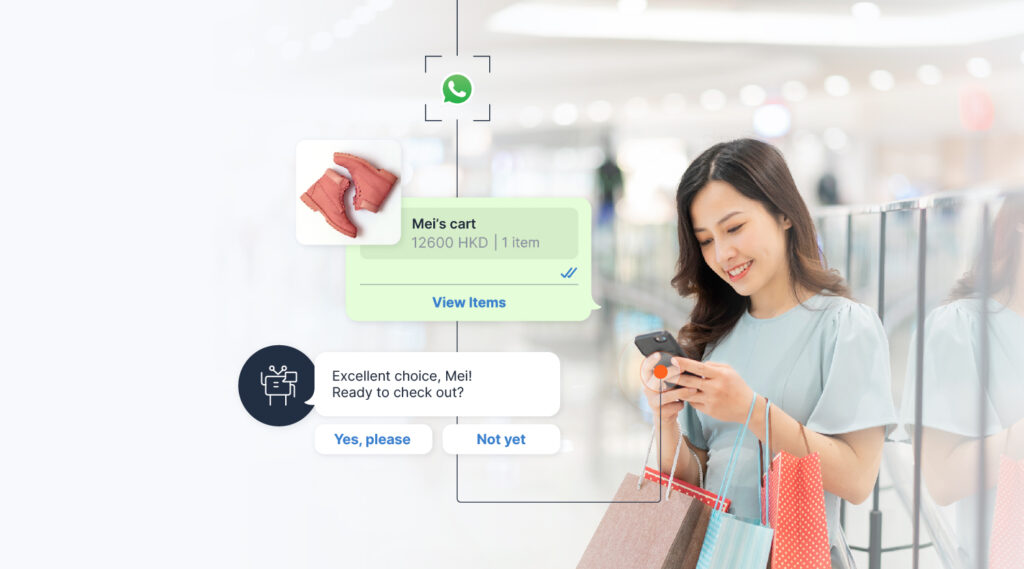
Artificial intelligence is becoming an increasingly visible part of e-commerce. Businesses are using AI-powered tools to help customers discover products, answer questions, compare options, and navigate large online catalogs. Before introducing such technology, however, companies need to evaluate how it will fit into their existing operations and customer experience.
An AI Shopping Assistant can provide conversational product guidance and automate parts of the research process, but successful implementation requires more than adding a chatbot to a website. Businesses should consider data quality, integration requirements, customer expectations, privacy, maintenance, and the specific problems the technology is intended to solve.
Define the Business Objective
The first step is identifying why the business wants to implement AI shopping technology. A clearly defined objective makes it easier to choose suitable technology and measure results.
Potential objectives may include:
- Improving product discovery
- Reducing customer-service workload
- Helping shoppers compare products
- Increasing engagement with product catalogs
- Providing assistance outside standard support hours
- Making complex product information easier to understand
A business should avoid adopting AI simply because it is a current technology trend. The system should address a specific customer or operational need.
Evaluate Product Data Quality
AI systems depend heavily on the information available to them. Product descriptions, specifications, prices, inventory details, categories, and compatibility information should be accurate and consistently structured.
Poor data can lead to incorrect answers or irrelevant recommendations.
Before implementation, businesses should review their product databases and identify outdated, duplicate, incomplete, or inconsistent records that could affect the quality of AI-generated responses.
Consider Integration Requirements
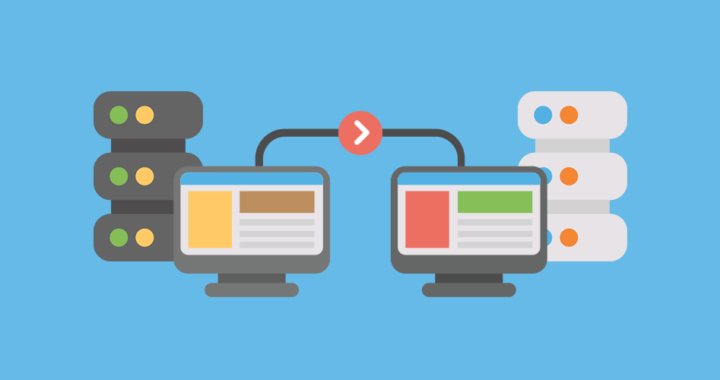
An AI shopping system may need access to several existing business systems. Depending on its design, integration could involve:
- Product databases
- Inventory management
- E-commerce platforms
- Customer relationship systems
- Order management
- Pricing systems
- Analytics platforms
Businesses should determine which systems need to communicate with the AI solution and whether appropriate APIs or other integration methods are available.
Establish Clear Data Access Rules
Not every type of business information should be accessible to an AI system. Companies should establish clear rules regarding which data the system can access and use.
Product specifications may be appropriate for customer-facing assistance, while confidential business information should remain restricted.
Clearly defined access controls can reduce unnecessary exposure and help businesses manage information responsibly.
Protect Customer Privacy
Customer data is another important consideration. Depending on the implementation, an AI shopping platform may process searches, preferences, account information, or conversation history.
Businesses should understand what information is collected, how long it is retained, where it is stored, and who can access it.
Privacy practices should be aligned with applicable laws, contractual obligations, and the company’s own policies.
Determine the Level of Automation
Businesses should decide which tasks AI should handle independently and which situations should be transferred to human employees.
Simple product questions may be suitable for automated responses. More complicated issues, complaints, unusual requests, or sensitive customer-service situations may require human involvement.
A clear escalation process can help prevent customers from becoming stuck in an automated interaction.
Plan for Incorrect Responses
AI systems can sometimes misunderstand questions or provide inaccurate information. Businesses should plan for these situations before deploying the technology.
Useful safeguards may include:
- Limiting responses to reliable product data.
- Providing clear uncertainty indicators.
- Allowing customers to verify important details.
- Creating escalation paths to human support.
- Monitoring conversations for recurring errors.
The goal should be to make the system useful while recognizing that automated responses are not infallible.
Design the Customer Experience
Implementation should focus on usability rather than technology alone. Customers should be able to understand how the AI tool works and what types of questions they can ask.
A simple interface can encourage adoption, while unnecessary complexity may discourage customers from using the feature.
The assistant should complement existing navigation and search features rather than making them difficult to access.
Consider Mobile Users
A significant portion of e-commerce activity takes place on smartphones. Businesses should ensure that AI shopping features work effectively across different screen sizes and devices.
Conversational interfaces should remain easy to read and operate on smaller displays.
Performance also matters because slow responses or resource-heavy interfaces can negatively affect the shopping experience.
Connect AI With Current Inventory
Product availability can change quickly. If an AI system recommends products without considering current inventory, customers may receive suggestions for items that are unavailable.
Where technically possible, businesses should connect product assistance with current inventory information.
This can make product discovery more practical and reduce frustration caused by unavailable recommendations.
Think About Pricing Information
Pricing can also change because of promotions, discounts, regional differences, or product variants.
Businesses should establish how pricing information will be supplied to the AI system and how frequently it will be updated.
Customer-facing responses should make it clear when prices may change and should direct shoppers to confirm final pricing before purchase.
Train and Test the System
Before launching an AI shopping feature, businesses should test it with realistic customer questions.
Testing should cover both common and unusual scenarios, including:
- Product searches
- Comparison requests
- Budget constraints
- Technical questions
- Ambiguous queries
- Out-of-stock products
- Product variants
- Follow-up questions
Testing can reveal gaps in product data and areas where the system needs additional safeguards.
Monitor Performance After Launch
Implementation is not a one-time project. Businesses should continuously monitor how the system performs after launch.
Useful measurements may include:
- Customer engagement
- Successful product searches
- Escalation rates
- Frequently asked questions
- Response accuracy
- Customer feedback
- Conversion-related metrics
Monitoring can help companies identify problems and improve the system over time.
Prepare for Ongoing Maintenance
Product catalogs change continuously. New products are introduced, specifications are updated, prices fluctuate, and discontinued items are removed.
An AI system therefore requires ongoing maintenance.
Businesses should establish responsibility for updating product information, reviewing system behavior, managing integrations, and addressing newly identified problems.
Evaluate Costs and Resources
Implementation costs extend beyond the initial technology purchase. Businesses may also need to budget for integration, infrastructure, data preparation, monitoring, employee training, security, and ongoing maintenance.
Companies should consider the resources required to operate the system over the long term rather than focusing exclusively on initial deployment costs.
Consider Employee Training
Employees may need to understand how the AI system works and when they should intervene.
Customer-service teams, e-commerce managers, and technical staff can benefit from clear procedures for handling escalations, correcting inaccurate information, and reporting system issues.
Human expertise remains important even when many routine interactions become automated.
Start With a Controlled Rollout
A phased implementation can allow businesses to identify issues before making an AI system available across an entire organization.
A company might initially introduce the feature for a specific product category or limited customer segment.
Feedback from the initial deployment can then inform improvements before broader adoption.
Conclusion
Implementing AI shopping technology requires careful planning across technology, data, privacy, customer experience, and business operations. Companies should begin with a clear objective and ensure that their product information is accurate enough to support reliable automated assistance.
Integration, privacy safeguards, human escalation, testing, monitoring, and ongoing maintenance are equally important. A thoughtful implementation strategy can help businesses introduce AI into the shopping journey while maintaining transparency and giving customers appropriate control over their purchasing decisions.