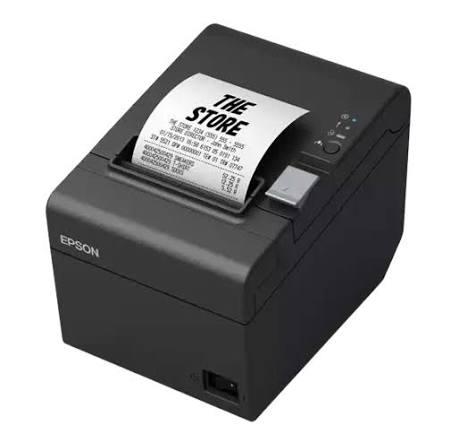
Selecting the right thermal printing equipment is an important decision for businesses that depend on accurate labeling, efficient transactions, and consistent document processing. From retail stores and warehouses to logistics companies and healthcare facilities, thermal printers support many daily operations. Choosing a dependable supplier can help businesses maintain productivity while reducing equipment-related problems.
A reliable Thermal Printer Manufacturer should offer more than a range of printing devices. Product quality, technical expertise, customization options, and after-sales support all influence the long-term value of a business partnership. Understanding these factors before making a decision can help companies avoid unnecessary costs and select equipment that meets their operational requirements.
Understand Your Business Printing Requirements
Before comparing manufacturers, identify how thermal printers will be used in your business. Different industries have different printing needs, and selecting equipment without considering its intended application can lead to performance issues.
For example, retail businesses may require receipt printers that support fast transaction processing, while warehouses often need barcode and shipping label printers capable of handling continuous workloads. Healthcare organizations may prioritize accurate labeling and dependable printing for patient records and medical supplies.
Consider the following requirements:
- Printing volume: Determine how many labels or receipts your business prints daily.
- Print quality: Evaluate the resolution needed for readable text, barcodes, and graphics.
- Printing speed: Choose equipment that can keep up with your operational demands.
- Connectivity: Identify whether USB, Ethernet, Bluetooth, or Wi-Fi connections are necessary.
- Operating environment: Consider temperature, dust exposure, available space, and working conditions.
Having clear requirements makes it easier to compare manufacturers and identify suitable products.
Evaluate Product Quality and Durability
Product quality is one of the most important factors when choosing a thermal printer manufacturer. Printers used in commercial environments may operate for several hours each day, making durability essential for maintaining consistent performance.
Examine the materials, internal components, print mechanisms, and overall construction of the equipment. A well-designed printer should provide reliable operation under its intended workload without requiring frequent repairs.
It is also useful to review specifications such as printhead lifespan, cutting mechanism durability, supported media types, and operating temperature ranges. These details provide a better understanding of how a printer may perform over time.
Manufacturers that follow consistent production and inspection procedures are generally better positioned to deliver products with predictable quality.
Check Manufacturing Capabilities and Product Range
A manufacturer’s production capabilities can indicate whether it can support your current and future business requirements. Companies with broader manufacturing experience may offer different printer categories, technical configurations, and product specifications.
Common thermal printer categories include:
Direct Thermal Printers
Direct thermal printers use heat-sensitive paper or labels to create images without requiring an ink ribbon. They are commonly used for receipts, shipping labels, tickets, and short-term product identification.
Thermal Transfer Printers
Thermal transfer printers use a heated printhead to transfer ink from a ribbon onto a printing surface. They are suitable for applications requiring more durable labels that can withstand handling and certain environmental conditions.
Portable Thermal Printers
Portable models are designed for mobile operations. Delivery personnel, field technicians, and warehouse employees often use them to print receipts, labels, and transaction records while working away from fixed workstations.
A manufacturer offering multiple product categories may provide greater flexibility when your business expands or introduces new applications.
Examine Technical Specifications Carefully
Technical specifications help determine whether a printer is compatible with your existing systems and capable of meeting daily operational demands. Avoid selecting equipment based only on its appearance or advertised printing speed.
Important specifications to compare include:
- Print resolution: Common options include 203 DPI and 300 DPI, with higher resolutions supporting finer details.
- Print speed: Measured in millimeters or inches per second, depending on the product.
- Maximum print width: Determines the label or paper sizes supported by the device.
- Media compatibility: Check supported paper, label, and ribbon types.
- Interface options: Confirm compatibility with your computers, point-of-sale systems, and mobile devices.
- Printer language support: Verify whether the device supports the commands required by your software.
Carefully reviewing these specifications reduces the risk of purchasing equipment that cannot integrate properly into existing workflows.
Assess Customization and OEM/ODM Services
Businesses sometimes require thermal printers with specifications that differ from standard models. These requirements may involve customized branding, connectivity configurations, housing designs, firmware adjustments, or specific printing capabilities.
In such situations, a manufacturer’s OEM and ODM services can be valuable. OEM services generally involve producing equipment according to a client’s requirements, while ODM services may include product design and development alongside manufacturing.
Before choosing a manufacturer, ask whether it can accommodate your customization needs. Also, clarify minimum order quantities, development costs, sample availability, production timelines, and intellectual property arrangements.
A capable manufacturing partner should communicate which modifications are technically possible and explain how customization may affect product cost and delivery schedules.
Review Quality Control and Industry Standards
Consistent quality control helps manufacturers identify production defects before products reach customers. It is particularly important for businesses purchasing thermal printers in bulk because inconsistent equipment can create operational disruptions across multiple locations.
Ask manufacturers about their inspection procedures at different production stages. These may include component inspections, assembly checks, printing tests, connectivity assessments, and final product evaluations.
You should also check whether relevant products comply with applicable safety and electromagnetic compatibility requirements in your target market.
Depending on your industry and destination country, certifications and compliance documentation may be necessary. Request valid documentation rather than relying solely on general claims about product quality.
Consider Technical Support and After-Sales Service
Even well-manufactured thermal printers may occasionally require maintenance, software updates, replacement components, or troubleshooting. The quality of after-sales support can therefore influence the overall ownership experience.
A dependable manufacturer should provide clear information about warranty coverage, repair procedures, technical assistance, and spare parts availability.
Before placing an order, consider asking these questions:
- How long is the product warranty?
- Is technical assistance available remotely?
- Can replacement printheads and other components be supplied?
- Are user manuals and installation instructions provided?
- Does the manufacturer offer software or firmware updates?
- What is the process for handling defective products?
Responsive technical support can help businesses resolve problems quickly and minimize unnecessary downtime.
Compare Pricing, Minimum Orders, and Lead Times
Price is an important consideration, particularly for businesses purchasing equipment in large quantities. However, choosing the cheapest option does not always provide the best long-term value.
Compare product prices alongside specifications, durability, warranty conditions, and support services. A printer with a slightly higher purchase price may offer better value if it requires less maintenance and performs reliably over an extended period.
You should also understand the manufacturer’s minimum order quantity, payment terms, production capacity, and shipping arrangements.
Lead times deserve particular attention when equipment is needed for a new business location, seasonal demand, or a large operational expansion. Confirm realistic production and delivery schedules before finalizing an agreement.
Request Product Samples Before Bulk Purchasing
Testing product samples is a practical way to evaluate a manufacturer’s claims before committing to a large order. A sample allows your technical team to examine print quality, operating performance, connectivity, and compatibility with existing systems.
During testing, consider evaluating:
- Printing accuracy across different paper and label types.
- Performance during extended printing sessions.
- Connectivity and software integration.
- Ease of installation and daily operation.
- Noise levels and general build quality.
- Consistency when printing barcodes and detailed graphics.
If possible, test the printer under conditions similar to your actual business environment. This provides more useful information than evaluating equipment through product descriptions alone.
Investigate Manufacturer Reputation and Experience
A manufacturer’s industry experience can provide useful insight into its technical knowledge, production capabilities, and ability to serve different business markets.
Look for companies with a clear business history, established manufacturing facilities, and experience supplying products to customers in relevant industries. Independent reviews, customer feedback, and case studies can also help you understand how a manufacturer handles product quality and customer relationships.
When evaluating potential partners, pay attention to how they communicate. Manufacturers that provide detailed technical information, answer questions clearly, and explain product limitations demonstrate a more transparent approach to business.
It is also helpful to ask for references from existing customers, particularly those with similar printing requirements.
Look for Long-Term Partnership Potential
Choosing a thermal printer manufacturer should involve more than meeting an immediate equipment requirement. Businesses often need additional printers, replacement components, updated models, and technical assistance as their operations develop.
A manufacturer with stable production capacity and a commitment to product development may be better suited to supporting these changing requirements.
Consider whether the company can maintain consistent product specifications across repeat orders, accommodate increasing order volumes, and introduce improvements as printing technology evolves.
Building a long-term relationship with a reliable manufacturer can also simplify procurement, improve communication, and create more predictable purchasing arrangements.
Conclusion
Choosing a reliable thermal printer manufacturer requires careful consideration of product quality, manufacturing capabilities, technical specifications, customization options, and customer support. Businesses should also evaluate pricing, production timelines, quality control procedures, and product compatibility before making a final decision.
Rather than focusing exclusively on initial purchase costs, consider the overall value that a manufacturer can provide throughout the equipment’s useful life. Requesting samples, reviewing documentation, and discussing technical requirements directly with potential suppliers can help reduce purchasing risks.
By following a structured evaluation process, businesses can identify a manufacturing partner capable of supporting their printing operations, maintaining consistent performance, and meeting future requirements.