Modern bathroom design involves more than selecting attractive fixtures and decorative materials. A well-designed bathroom must also provide comfort, convenience, durability, and efficient use of available space. Homeowners, architects, and commercial developers increasingly look for products that combine visual appeal with practical features, creating interiors that are both welcoming and functional.
Achieving this balance requires careful consideration of materials, product shapes, surface finishes, and installation requirements. Solid surface products have become an option for contemporary bathroom projects because they offer flexibility in design and can be used in different applications. KingKonree operates in the solid surface and bathroom products industry, where material selection and product design play important roles in meeting the changing expectations of residential and commercial customers.
The Relationship Between Bathroom Aesthetics and Functionality
A bathroom should reflect the overall design preferences of its users while supporting everyday activities. Attractive fixtures can improve the appearance of an interior, but their dimensions, materials, and usability are equally important.
For example, a visually appealing washbasin may not be suitable if it occupies too much space or provides insufficient washing area. Similarly, a stylish countertop should also be easy to clean and appropriate for regular use.
Successful bathroom planning considers several elements together:
- Visual consistency: Fixtures, surfaces, and accessories should complement one another.
- Practical dimensions: Products should fit the available space without restricting movement.
- Material suitability: Surfaces should meet the requirements of a moisture-rich environment.
- Easy maintenance: Everyday cleaning should be manageable.
- User comfort: Fixtures should support convenient daily routines.
- Long-term performance: Product quality and installation should support reliable use.
Combining these considerations helps create bathrooms that remain attractive and useful over time.
How Material Selection Influences Bathroom Design
Materials influence the appearance, functionality, and maintenance requirements of bathroom products. Choosing the right material is therefore an important step in any renovation or new construction project.
The Design Flexibility of Solid Surface Materials
Solid surface is an engineered material generally made from mineral fillers, resin systems, pigments, and other components. Its exact composition depends on the manufacturer’s formulation.
One of its notable design advantages is its adaptability to different product shapes and configurations. Depending on the material and fabrication method, it can be used to create washbasins, countertops, bathtubs, and other bathroom components.
This flexibility allows designers to explore contemporary forms while considering practical installation requirements.
Smooth and Coordinated Finishes
Surface appearance has a strong influence on the atmosphere of a bathroom. Smooth finishes and coordinated colors can create a clean, organized interior.
Solid surface products are available in different colors and finishes depending on the product range. These choices allow designers to coordinate bathroom fixtures with wall coverings, flooring, cabinets, and other interior elements.
Maintenance Considerations
The appearance of a bathroom depends partly on how easily its surfaces can be maintained.
Some solid surface formulations offer relatively smooth, nonporous surfaces that can simplify routine cleaning. However, stain resistance and cleaning requirements vary by product, so users should follow the manufacturer’s care instructions.
Washbasins That Combine Visual Style and Everyday Convenience
Washbasins are central features in bathroom interiors. Their shape, dimensions, and installation style influence both the appearance and usability of the space.
Contemporary Basin Shapes
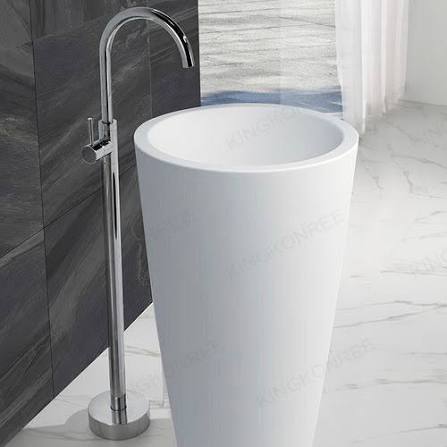
Rectangular, oval, round, and other geometric designs can contribute different visual effects. A rectangular basin may suit a structured minimalist interior, while curved forms can introduce a softer appearance.
The choice should reflect the surrounding vanity, available countertop area, and preferred interior style.
Integrated Washbasin Designs
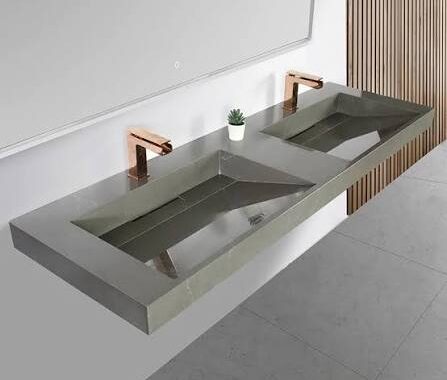
Integrated basin and countertop configurations can create a consistent visual appearance. By reducing visible transitions between components, these designs can support a clean and modern vanity arrangement.
They may also simplify certain cleaning routines, depending on the product’s construction and installation.
Choosing Appropriate Basin Dimensions
A basin should provide enough space for comfortable washing without overwhelming the bathroom layout.
Compact models can be useful in smaller bathrooms and guest washrooms, while wider options may be more appropriate for spacious residential or hospitality interiors.
Bathroom Countertops That Support Organized Spaces
Bathroom countertops provide working space for daily personal care activities. They also contribute significantly to the room’s overall appearance.
Balancing Surface Area and Available Space
A countertop should provide sufficient room for essential items without making the bathroom feel crowded.
Designers need to consider the basin position, faucet arrangement, storage cabinets, and available walking space when selecting countertop dimensions.
Coordinating Countertops with Other Fixtures
A coordinated countertop can connect different bathroom elements into a unified design.
For example, matching or complementary colors between a countertop, washbasin, and vanity cabinet can create visual harmony. Contrasting tones may also be used to highlight particular features.
Practical Surface Requirements
Countertops experience regular contact with water, soap, cosmetics, and personal care products.
The selected surface should be suitable for these conditions and maintained according to its technical specifications. Proper installation and suitable cleaning practices are also important for preserving its appearance.
Bathtubs That Enhance Comfort and Interior Appeal
Bathtubs often serve as prominent features in residential and hospitality bathrooms. Their shape, material, and placement can influence the character of the entire room.
Freestanding Designs
Freestanding bathtubs can create a focal point in spacious bathrooms. Their independent positioning provides flexibility in interior planning, although sufficient floor space and appropriate plumbing connections are necessary.
Modern Shapes and Proportions
Oval and rectangular bathtubs offer different design possibilities. The most suitable option depends on the bathroom’s dimensions, the surrounding fixtures, and the desired visual style.
A bathtub should also provide comfortable proportions for its intended users.
Material and Maintenance Requirements
Bathtub materials differ in weight, heat retention, surface characteristics, and maintenance needs.
Solid surface options can support distinctive shapes and refined finishes. Buyers should compare product specifications and installation requirements before selecting a bathtub for a particular project.
Practical Storage and Space Planning in Modern Bathrooms
An attractive bathroom can quickly become inconvenient if everyday items do not have suitable storage locations.
Storage solutions should therefore be considered during the early design stages rather than added as an afterthought.
Vanity Cabinets and Drawers
Vanity cabinets provide concealed storage for toiletries, towels, and cleaning supplies. Drawers can make smaller items easier to organize and access.
Their dimensions should be planned around plumbing connections and the available floor area.
Wall-Mounted Fixtures
Wall-mounted washbasins, cabinets, and selected accessories can create a more open visual appearance.
These arrangements may also make floor cleaning easier, provided that the wall structure and installation system can support the fixtures safely.
Compact Bathroom Solutions
Smaller bathrooms benefit from carefully selected products that make efficient use of limited space.
Compact washbasins, appropriately sized countertops, and streamlined storage arrangements can help maintain functionality without overcrowding the interior.
How Color and Texture Shape Bathroom Atmosphere
Color and texture are important design elements that influence how a bathroom feels. They can make a space appear brighter, warmer, more spacious, or more visually distinctive.
Neutral Colors for Timeless Interiors
White, beige, grey, and other neutral shades are commonly used in contemporary bathrooms because they coordinate with many materials and decorative styles.
These colors can also provide a calm background for accessories and contrasting fixtures.
Contrasting Elements for Visual Interest
Combining light-colored surfaces with darker cabinets or fixtures can create a more defined appearance.
Designers may also introduce contrast through faucets, handles, mirrors, and lighting features.
Texture and Surface Consistency
Different surface textures can add depth to an otherwise simple interior. However, the selected finish should also meet practical requirements, particularly in areas exposed to frequent water contact.
Material samples can help designers evaluate how colors and textures appear under the actual lighting conditions of a project.
Applications in Residential and Commercial Bathroom Projects
The balance between aesthetics and practicality is important across different property types, although individual requirements vary.
Residential Bathrooms
Homeowners often want bathrooms that reflect personal preferences while remaining comfortable for everyday use.
Coordinated washbasins, functional countertops, suitable storage, and attractive surface finishes can help create a personalized environment.
Hotels and Hospitality Facilities
Hotel bathrooms should provide a consistent appearance while supporting frequent guest use.
Developers may prioritize easy-to-maintain surfaces, practical fixture dimensions, coordinated designs, and reliable installation methods.
Offices and Public Facilities
Commercial washrooms often need products that can accommodate higher traffic levels.
In these environments, practical dimensions, suitable materials, straightforward maintenance, and durable construction are particularly important.
Important Factors When Selecting Bathroom Products
Choosing products that combine design and functionality requires more than comparing photographs or prices. Buyers should evaluate the technical and practical details of each option.
Important considerations include:
- Bathroom measurements: Confirm the available dimensions before selecting fixtures.
- Material properties: Review the product’s composition and performance characteristics.
- Design compatibility: Check whether the shape, color, and finish complement the interior.
- Ease of cleaning: Understand the recommended maintenance procedures.
- Installation requirements: Consider plumbing, drainage, mounting, and structural support.
- Intended use: Select products according to residential or commercial requirements.
- Quality control: Review available product documentation and inspection standards.
- Long-term value: Consider maintenance, replacement, and installation costs alongside the purchase price.
Taking these factors into account can help prevent design compromises and unnecessary expenses.
The Future of Functional and Aesthetic Bathroom Design
Bathroom design continues to evolve as consumers expect more personalized, convenient, and visually consistent spaces.
Several developments are influencing future product choices.
Greater Customization
Customized dimensions, integrated fixtures, and varied surface finishes allow designers to address specific architectural requirements.
This approach is particularly useful for projects with unusual layouts or distinctive interior concepts.
Smart Bathroom Features
Touchless faucets, smart mirrors, digital shower controls, and automated lighting are becoming more common in modern bathroom planning.
These technologies can improve convenience while introducing additional design and installation considerations.
Sustainable Material Choices
Environmental considerations are becoming increasingly relevant to bathroom manufacturing.
Efficient material use, responsible production practices, and products designed for long-term service can contribute to more sustainable project decisions.
Improved Manufacturing Precision
Digital modeling and advanced fabrication equipment can support more accurate product dimensions and consistent finishes.
These capabilities may also expand the possibilities for customized bathroom components.
Conclusion
Combining aesthetic appeal with practical functionality is essential when designing modern bathrooms. Material selection, fixture dimensions, surface finishes, storage arrangements, and installation quality all influence whether a bathroom performs as well as it looks.
KingKonree operates within the solid surface and bathroom products sector, where these considerations are relevant to developing solutions for different interior requirements. By evaluating material properties, design compatibility, maintenance needs, and product specifications, buyers and designers can make informed choices that support attractive, comfortable, and functional bathroom spaces.