A bathroom basin needs to satisfy two expectations at once. It should contribute to the room’s appearance, but it must also provide a comfortable and reliable place for everyday handwashing. These priorities can be difficult to balance in a compact bathroom, where the available wall and floor space is limited. A fixture that looks elegant may be inconvenient if its bowl is too shallow, while a highly practical model may not suit the desired interior style.
A small wash basin can bring style and function together when its dimensions, shape, material, and fittings are considered as a complete arrangement. The most successful choice is not necessarily the smallest or most decorative option. It is the one that fits the room, supports normal use, and complements the surrounding design without creating unnecessary maintenance or installation problems.
Begin with the functional requirements
Before looking at finishes, establish what the basin needs to do. A main bathroom may require frequent use for handwashing and grooming, while a guest washroom may need a simpler fixture. The number of users, available storage, and proximity to other fittings all influence the appropriate size.
Consider the bowl’s internal width and depth. These measurements affect how comfortably someone can wash their hands and how well the basin contains water. A compact exterior profile should not come at the expense of a usable interior.
Find a proportion that suits the room
Measure the available wall or countertop and the distance to nearby fixtures. Include the basin’s projection, tap fittings, and any vanity cabinet. In a narrow bathroom, the projection can be especially important because it affects the walkway.
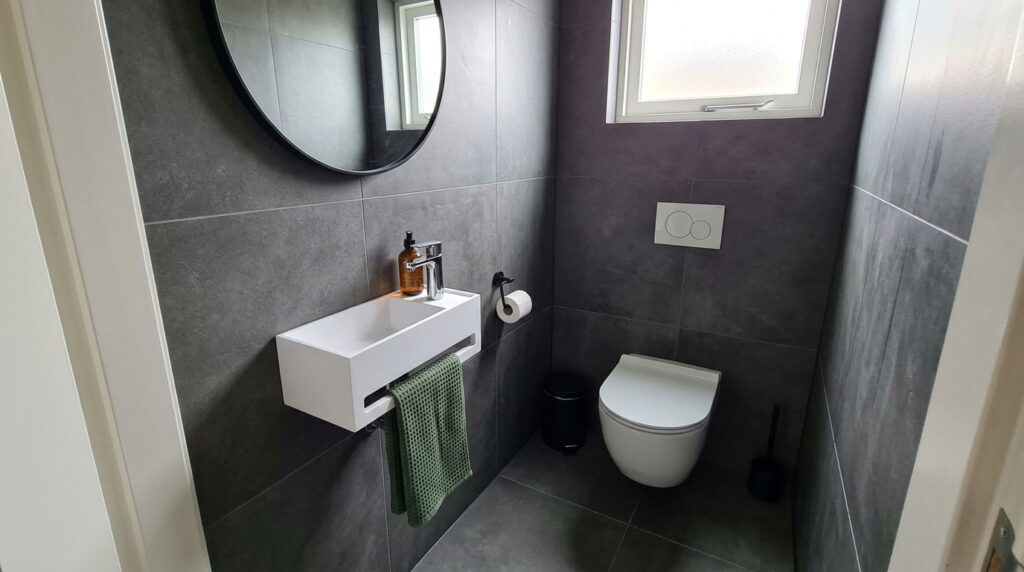
A rectangular model may suit a straight vanity, while an oval basin can soften a room with angular surfaces. Wall-mounted designs can leave the floor open, and countertop options may provide more opportunity for a distinctive appearance. Choose a configuration that fits the room’s actual dimensions rather than relying on its appearance in a showroom.
Select a material with practical qualities
The material has a direct effect on the basin’s appearance and care requirements. Ceramic and glazed vitreous china are familiar options for residential bathrooms because they offer smooth surfaces and established cleaning routines. Solid-surface materials may support different shapes and integrated designs.
Ask the supplier for information about the surface finish, recommended cleaning products, and repair options. Inspect the product for consistent color, smooth edges, and visible defects. A finish should be attractive, but it should also suit the household’s maintenance habits.
Coordinate the tap with the basin
The tap should look proportionate and direct water into the bowl effectively. Check the tap-hole arrangement and confirm whether the basin is designed for a deck-mounted or wall-mounted fitting. Spout reach, height, and handle clearance are important, particularly where the basin is installed close to a wall or mirror.
The waste outlet must also match the drainage fittings. If the basin includes an overflow, select a compatible waste assembly. Confirm that the trap can fit within the available space and that connections will remain accessible for maintenance.
Use storage to support the design
A compact vanity may provide useful concealed storage while giving the basin a defined position. Floating cabinetry can help preserve visual openness, while a mirrored cabinet can use wall space for toiletries. If storage needs are minimal, a small shelf or wall-mounted dispenser may be sufficient.
Avoid adding so many accessories that the basin becomes crowded. A clear surrounding surface makes the fixture easier to use and clean. Choose materials for cabinetry and shelves that are suitable for bathroom moisture.
Create visual harmony with the rest of the room
The basin should relate to the mirror, tiles, wall color, and tap finish. Repeating one or two materials can create continuity, while a contrasting feature can add interest. A neutral basin can work with a wide range of palettes, making it easier to update other parts of the room later.
Lighting also contributes to the balance. The washing area should be bright enough for comfortable use, with fittings selected for the bathroom environment and installed according to safety requirements.
Check installation before making a purchase
Review the product’s technical drawing, fixing points, mounting method, and plumbing requirements. Confirm that the wall or countertop can support the basin and that the proposed finished height is appropriate. If pipework needs to be moved, consult a qualified plumber before the renovation progresses.
Let everyday use guide the final decision
A successful basin should look appropriate, feel comfortable, and remain easy to maintain. By balancing proportions, material, tap compatibility, storage, and installation requirements, homeowners can choose a compact fixture that enhances the bathroom without compromising its practical purpose.