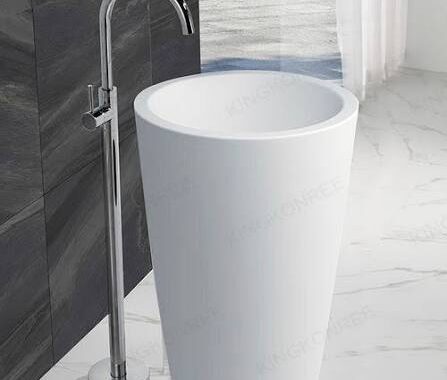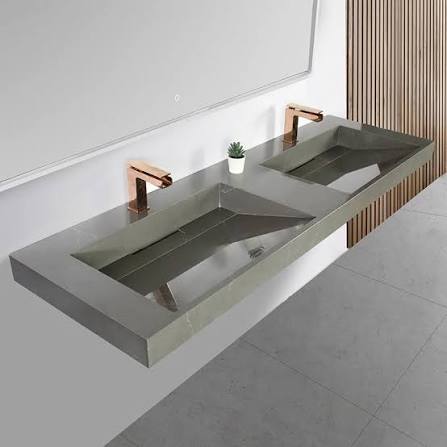
Commercial buildings require interior materials that balance appearance, functionality, maintenance, and long-term performance. Hotels, offices, shopping centers, healthcare facilities, restaurants, and public buildings all contain surfaces that experience frequent use. Countertops, reception desks, washbasins, wall panels, and service counters must be selected according to the specific demands of each environment.
Solid surface materials are considered for many commercial interiors because they offer design flexibility and can be fabricated into different shapes, sizes, and finishes. Their smooth appearance and potential for customized construction make them suitable for a range of architectural applications. Understanding how KKR Solid Surface can be used in commercial buildings helps architects, contractors, designers, and property developers evaluate its potential for different projects.
1. Reception Desks and Front Office Counters
Reception areas create the first impression for visitors, customers, and business partners. Their design often reflects an organization’s identity and contributes to the overall appearance of a commercial interior.
Solid surface materials can be considered for reception desks because they support different countertop shapes and customized design details.
Modern Reception Desk Designs
A reception counter can be designed with straight edges, curved sections, or layered surfaces according to the architectural concept.
Certain solid surface formulations can be fabricated into customized shapes, allowing designers to develop distinctive front desk arrangements.
Integrated Work Surfaces
Reception desks often combine customer-facing counters with staff workspaces.
A coordinated surface design can help connect these sections while providing space for computers, documents, and communication equipment.
Branding and Decorative Features
Commercial reception areas may incorporate company logos, decorative lighting, and contrasting materials.
Solid surface panels and countertops can complement these elements through coordinated colors and finishes.
2. Hotel Bathrooms and Hospitality Facilities
Hotels require bathroom interiors that combine visual appeal with practical maintenance.
Guest bathrooms experience regular use, and housekeeping teams must clean their surfaces frequently.
Bathroom Vanity Countertops
Solid surface materials can be considered for hotel vanity tops where suitable product specifications support the intended installation.
They can be fabricated in different dimensions to accommodate compact guest bathrooms and larger suites.
Integrated Washbasin Designs
Some solid surface products can be fabricated into coordinated basin and countertop arrangements.
These designs create a consistent appearance and may reduce visible transitions between components.
Consistent Bathroom Interiors
Hotel developers often aim to maintain a recognizable design across multiple rooms.
Using coordinated surface finishes can help establish a consistent visual identity throughout a property.
3. Office Kitchenettes and Break Rooms
Office buildings commonly include shared kitchenettes and break rooms where employees prepare refreshments, store food, and clean utensils.
These areas need practical countertops that are suitable for routine use.
Countertop Applications
Solid surface countertops may be used around sinks, storage cabinets, and beverage preparation areas.
Their dimensions and finishes can be selected to match the available workspace.
Shared Cleaning Areas
Kitchenette surfaces are exposed to water, food residues, and cleaning products.
Buyers should review the material’s moisture-related characteristics and chemical compatibility before choosing a product.
Coordinated Cabinetry
A consistent countertop finish can complement office cabinetry and storage units.
Neutral colors and simple profiles are often suitable for professional environments.
4. Healthcare Facilities and Clinical Interiors
Healthcare buildings have specialized requirements for surfaces used in patient rooms, treatment areas, laboratories, and administrative spaces.
Material selection must consider cleaning procedures, chemical exposure, applicable standards, and the intended function of each area.
Nurse Stations
Nurse stations often include counters for documentation, computers, and communication equipment.
Solid surface materials may be considered for selected worktops when their specifications meet the facility’s requirements.
Patient Room Vanities
Certain healthcare facilities include washbasins and vanity-style surfaces in patient rooms.
Suitable materials should be evaluated for moisture exposure, cleaning compatibility, and installation requirements.
Clinical Support Areas
Work surfaces in treatment and support areas may be exposed to disinfectants and other specialized cleaning agents.
Facilities should verify chemical resistance and relevant hygiene requirements before specifying a product.
It is important not to assume that every solid surface product is automatically suitable for every healthcare application.
5. Restaurant and Food Service Counters
Restaurants, cafés, and food service facilities use counters for customer service, beverage preparation, and selected food-related activities.
These areas require materials that match their operational and regulatory requirements.
Customer Service Counters
Solid surface materials can be considered for customer-facing counters where appearance and customized dimensions are important.
Designers can coordinate countertop finishes with wall treatments, lighting, and furniture.
Beverage Service Areas
Coffee shops and hotel beverage stations may use countertops around coffee machines, sinks, and serving equipment.
The selected material should be appropriate for the expected heat exposure, cleaning products, and moisture conditions.
Food Preparation Considerations
Surfaces used directly for food preparation must meet applicable food safety and hygiene requirements.
Buyers should verify the product’s suitability and relevant documentation before specifying it for these applications.
6. Shopping Mall and Retail Interiors
Shopping centers contain a wide variety of commercial surfaces, including service counters, product displays, information desks, and decorative installations.
Solid surface materials can help retailers create coordinated interior features.
Retail Service Counters
Customer service desks need practical work areas and an appearance that matches the store’s brand identity.
Customized solid surface counters can support different dimensions and design concepts.
Product Display Units
Retailers may use solid surface components for display tables, shelves, and presentation platforms.
The material’s color and finish can complement the products being displayed.
Information Desks
Shopping malls often include information counters near entrances and common areas.
Curved or customized counter designs can help these facilities create visible and accessible service points.
7. Educational Buildings and Campus Facilities
Schools, colleges, universities, and training centers contain shared spaces that require practical interior materials.
Common applications include reception counters, washroom vanities, laboratory support areas, and administrative work surfaces.
Administrative Counters
Solid surface materials may be used for reception and administrative counters where a clean, professional appearance is required.
The layout should provide enough space for computers, paperwork, and visitor interactions.
Washroom Vanity Areas
Educational facilities often have shared washrooms that experience regular use.
Suitable vanity surfaces should be selected according to cleaning frequency, moisture exposure, and maintenance capacity.
Student Common Areas
Cafeterias, lounges, and shared facilities may include counters and decorative surfaces.
Material selection should account for the expected level of activity and the possibility of accidental damage.
8. Airport and Transportation Facilities
Airports, railway stations, and other transportation buildings contain public service areas that operate for extended hours.
Their interiors must accommodate frequent visitor movement and regular cleaning.
Information Counters
Information desks help passengers obtain directions and travel assistance.
Customized countertop designs can support different operational layouts while maintaining a consistent appearance.
Lounge Reception Areas
Airport lounges often use coordinated furniture, counters, and decorative surfaces to establish a comfortable environment.
Solid surface components may complement these designs where their technical specifications are suitable.
Public Washrooms
Washroom vanity tops and washbasin surrounds are exposed to frequent use and cleaning.
Material selection should consider durability, maintenance requirements, moisture exposure, and installation quality.
9. Corporate Meeting Rooms and Collaborative Spaces
Modern office buildings often include meeting rooms, collaboration zones, and shared presentation spaces.
Surface materials help create a consistent design language across these areas.
Conference Room Counters
Solid surface materials may be used for built-in counters, sideboards, and selected furniture components.
Their appearance can complement meeting tables, wall finishes, and office furniture.
Refreshment Stations
Some meeting rooms include beverage counters and small storage areas.
Suitable surfaces should be selected according to the expected use, cleaning procedures, and equipment requirements.
Decorative Architectural Features
Customized panels and curved elements may be used to create visual features within collaborative spaces.
The feasibility of each design depends on material properties and fabrication capabilities.
10. Public Restrooms and Shared Facilities
Public restrooms are among the most frequently used spaces in many commercial buildings.
They require surfaces that can accommodate repeated cleaning and regular contact with water and personal care products.
Vanity Countertops
Solid surface materials can be considered for public restroom countertops when their specifications match the required usage conditions.
Larger vanity layouts may incorporate several basins within one coordinated surface arrangement.
Washbasin Surrounds
Surrounding surfaces help protect cabinetry and organize the basin area.
Proper installation around faucets, drainage connections, and edges is essential for moisture management.
Maintenance Planning
Facility managers should consider cleaning frequency, approved cleaning chemicals, and access to repair services when choosing materials.
A practical maintenance plan helps preserve the condition of shared facilities.
11. Decorative Wall Panels and Interior Features
Commercial buildings often use wall panels and decorative surfaces to establish a distinctive visual identity.
Certain solid surface materials can be fabricated into panels and customized architectural elements.
Feature Walls
Reception areas, hotel lobbies, and retail interiors may include decorative wall installations.
Coordinated colors and surface finishes can help connect these features with countertops and furniture.
Column Cladding
Selected interior columns can be covered with decorative panels to create a more consistent architectural appearance.
Installation methods should account for panel dimensions, weight, fixing requirements, and building conditions.
Custom Decorative Elements
Depending on the material and fabrication method, customized shapes and curved components may be possible.
These features can help designers develop distinctive interiors without relying entirely on standard furniture or fixtures.
12. Benefits of Considering Solid Surface Materials in Commercial Projects
The suitability of solid surface products depends on their specifications, but several characteristics make them worth evaluating for commercial interiors.
Design Flexibility
Solid surface materials can support different shapes, dimensions, and finishes.
This flexibility can be useful for projects with customized architectural requirements.
Coordinated Appearance
Matching or complementary surface finishes can help create a consistent design across different areas of a building.
Smooth Surface Finishes
Many solid surface products have smooth finishes that can support routine cleaning.
The actual maintenance requirements depend on the product formulation and finish.
Customized Fabrication
Certain products can be cut, shaped, and joined using specialized fabrication techniques.
This allows designers to explore integrated countertops, decorative panels, and customized furniture components.
Application Versatility
Depending on technical specifications, solid surface materials may be considered for several types of interior applications.
However, each use should be evaluated separately rather than assuming that one product is suitable for every commercial environment.
13. Important Factors When Selecting Solid Surface for Commercial Buildings
Commercial material selection requires careful planning because building surfaces often experience different levels of use and maintenance.
Before placing an order, project teams should consider the following factors:
- Intended application: Identify whether the material will be used for countertops, washbasins, wall panels, or furniture.
- Expected traffic: Consider how frequently the surface will be used.
- Material specifications: Review composition, thickness, and relevant performance information.
- Moisture exposure: Check suitability for bathrooms, kitchenettes, and other wet areas.
- Chemical compatibility: Confirm that the product can tolerate the cleaning agents used in the facility.
- Design requirements: Compare available colors, textures, and fabrication possibilities.
- Installation conditions: Evaluate structural support, joints, edges, and fixing methods.
- Maintenance needs: Consider cleaning procedures, repair options, and long-term care.
- Project budget: Include material, fabrication, transportation, and installation expenses.
A detailed assessment helps project managers choose materials that match both design expectations and operational requirements.
14. The Importance of Manufacturing Quality and Installation
The performance of a commercial surface depends on more than its material category.
Manufacturing consistency, fabrication accuracy, and installation quality all influence the final result.
Production Quality Control
Manufacturers may inspect raw materials, monitor production conditions, and check finished products for dimensions and visible defects.
Buyers should request relevant quality documentation when comparing suppliers.
Professional Fabrication
Accurate cutting, joint preparation, edge finishing, and customized shaping help ensure that products match the project design.
Correct Installation
Countertops and panels must be supported and secured according to product requirements.
Special attention should be given to joints, plumbing connections, and areas exposed to moisture.
15. Planning Large-Scale Commercial Solid Surface Projects
Large commercial developments often require multiple product types, repeated dimensions, and coordinated delivery schedules.
Planning these requirements early can help reduce construction delays and inconsistencies.
Standardizing Product Specifications
Project teams should establish agreed dimensions, colors, finishes, and technical requirements before ordering materials.
This is particularly important for hotels, office developments, and large residential complexes.
Coordinating With Fabricators
Architects, contractors, and fabricators should review drawings and installation details together.
Early coordination helps identify potential conflicts involving plumbing, cabinetry, structural supports, and surface connections.
Managing Samples and Approvals
Physical samples can help clients confirm colors and finishes before production begins.
Approved samples and specifications provide a reference for checking delivered materials.
Organizing Delivery and Installation
Large projects may require phased deliveries to match construction progress.
Packaging, transportation, storage, and handling should be planned to reduce the risk of damage before installation.
Conclusion
KKR Solid Surface materials can be considered for a wide range of commercial building applications, including reception desks, hotel bathrooms, office kitchenettes, healthcare interiors, retail counters, public washrooms, and decorative architectural features. Their design flexibility and fabrication possibilities make them relevant to projects that require coordinated surfaces and customized interior elements.
However, successful material selection depends on matching each product’s technical specifications to its intended environment. Factors such as expected usage, moisture exposure, cleaning chemicals, fabrication requirements, and installation quality should all be evaluated before purchasing. With careful planning and appropriate product selection, solid surface materials can contribute to commercial interiors that balance visual consistency with practical functionality.