Building a swimming pool involves much more than choosing its shape and deciding where it should sit. A successful project requires careful planning, realistic budgeting, suitable site preparation, thoughtful design, and coordination between the professionals responsible for construction and installation. Taking time to organize these elements before work begins can reduce delays, prevent costly changes, and create a pool that meets your long-term needs.
Exploring different Swimming Pool Solutions can help property owners understand the options available for their space, intended use, and budget. Whether the goal is to create a private family retreat, a fitness area, or an attractive outdoor feature, a structured approach makes it easier to turn an initial idea into a practical and well-planned project.
Step 1: Define Your Swimming Pool Goals
Start by identifying why you want a swimming pool and how it will be used. A pool designed for recreational swimming may have different dimensions and features from one intended for exercise, relaxation, or entertaining guests.
Consider who will use the pool, how frequently it will be used, and which features matter most. Families may prioritize shallow entry areas and safety features, while fitness enthusiasts might prefer a longer swimming lane or a current system for stationary swimming.
Your intended use will influence nearly every subsequent decision, including pool dimensions, depth, construction materials, circulation equipment, and ongoing maintenance requirements.
Step 2: Establish a Realistic Budget
Budget planning should cover the entire project rather than construction alone. Costs can vary considerably depending on the pool type, site conditions, materials, equipment, and complexity of the installation.
A comprehensive budget should account for:
- Design services, surveys, and required permits.
- Excavation, ground preparation, and structural construction.
- Plumbing, filtration, sanitation, and electrical systems.
- Heating, lighting, covers, and optional accessories.
- Landscaping, decking, fencing, and access improvements.
- Initial water treatment, commissioning, and ongoing maintenance.
It is also sensible to reserve a contingency fund for unexpected ground conditions, material changes, or other unforeseen expenses. Requesting itemized quotations makes it easier to compare contractors and understand what each proposal includes.
Remember to consider operating costs, including electricity, water, chemicals, cleaning, and periodic servicing. A pool that fits your initial budget should also remain affordable to maintain.
Step 3: Assess the Site and Available Space
The location of a swimming pool affects its usability, construction requirements, and long-term upkeep. Before finalizing a design, assess the dimensions of the available area and identify any physical restrictions that could influence installation.
Important site considerations include soil conditions, drainage, ground slope, access for construction machinery, existing utility lines, and the location of nearby structures. Groundwater levels and retaining requirements may also affect the construction method and overall cost.
Sun exposure is another factor worth evaluating. A sunny position may help warm the water naturally, while surrounding trees can provide shade but introduce leaves and other debris.
Allow sufficient room around the pool for circulation, safe access, cleaning, equipment placement, and outdoor activities. Local setback requirements and property restrictions should be checked before the location is confirmed.
Step 4: Choose the Right Pool Design
The design should balance appearance with practical requirements. Pool dimensions, depth, entry points, surface finishes, and surrounding features all contribute to the final result.
Select a Suitable Pool Type
Common options include concrete pools, fiberglass pools, and vinyl-lined pools, where available. Each has different installation requirements, design flexibility, maintenance considerations, and initial costs.
Concrete construction can accommodate a wide range of shapes and dimensions but generally requires more extensive construction and finishing work. Fiberglass pools often use prefabricated shells, while vinyl-lined designs rely on a replaceable liner fitted to a supporting structure.
The best choice depends on site access, local construction practices, climate, budget, and the features you want.
Plan the Shape, Depth, and Entry Points
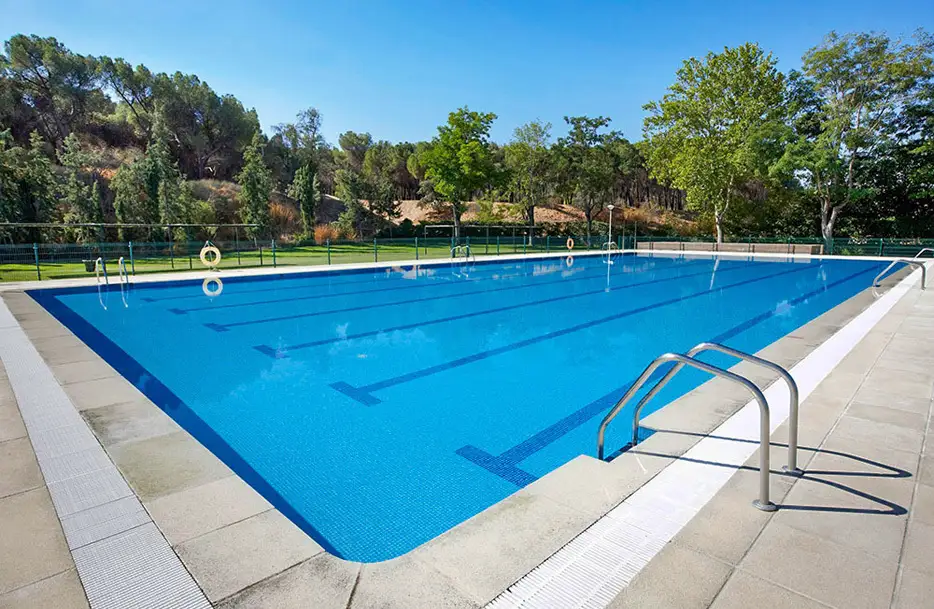
Rectangular pools offer a straightforward layout for lap swimming and can complement contemporary architecture. Freeform designs may suit landscaped gardens, while compact plunge pools can work well in smaller outdoor areas.
Depth should reflect the intended activities and applicable safety requirements. Steps, benches, handrails, and gradual entry options can improve accessibility and everyday convenience.
Any features intended for diving require appropriate dimensions, water depth, and compliance with relevant standards. A decorative design should never compromise safe use.
Step 5: Understand Permits and Local Requirements
Before construction begins, determine which approvals apply to the property and project. Depending on the location, requirements may cover building permits, property boundaries, drainage, electrical installations, fencing, water use, and environmental considerations.
Some projects may also require engineering assessments or inspections at specific construction stages. Confirming these obligations early helps prevent work from being interrupted by missing documentation.
Keep copies of approved plans, contractor agreements, equipment specifications, and inspection records. Clear documentation can be useful during construction, future maintenance, and property transactions.
Step 6: Hire Qualified Swimming Pool Professionals
The contractor plays a major role in determining the quality and reliability of the finished pool. Compare several providers and evaluate their experience with projects similar in size, complexity, and construction type to yours.
Ask for references, examples of completed work, evidence of relevant qualifications, and details of insurance where applicable. A detailed written contract should define the scope of work, payment schedule, expected milestones, materials, warranties, and procedures for handling changes.
It is also important to establish who is responsible for permits, subcontractors, inspections, and final commissioning. Clear responsibilities reduce misunderstandings as the project progresses.
Avoid choosing a contractor based solely on the lowest quotation. An unusually low estimate may exclude important work or rely on specifications that are difficult to compare with other bids.
Step 7: Plan Equipment and Technical Systems
A swimming pool needs properly selected equipment to circulate water, remove debris, maintain sanitation, and support comfortable operating conditions. These systems should be considered during the design phase rather than added as an afterthought.
Key components commonly include:
- A circulation pump sized for the pool and plumbing system.
- A compatible filtration system.
- Suitable sanitation and water-testing equipment.
- Heating equipment, if required.
- Lighting and appropriate electrical protection.
- A pool cover and relevant safety features.
Equipment selection should consider energy efficiency, noise, maintenance access, expected operating costs, and compatibility between components. Providing enough space for the equipment and its servicing requirements can make future maintenance considerably easier.
The technical design should also address drainage, plumbing routes, and safe access to controls. Electrical work and other specialized installations should be completed by qualified professionals in accordance with applicable codes.
Step 8: Prepare the Site and Begin Construction
Once the design, approvals, budget, and contractor arrangements are in place, the construction phase can begin. The exact sequence varies by pool type, but most projects involve several coordinated stages.
Excavation and Structural Work
The site is prepared according to the approved plans, followed by excavation where required. Contractors then construct or install the pool shell and complete the structural work appropriate to the selected design.
Accurate dimensions and suitable ground preparation are important because mistakes at this stage can affect plumbing, finishes, and surrounding surfaces.
Plumbing, Electrical Work, and Waterproofing
Pipes, drains, returns, and other technical components are installed in accordance with the design. Structural inspections and relevant tests should take place before concealed work is covered.
Waterproofing and surface preparation must be suitable for the pool’s construction materials. Any defects identified during inspection should be addressed before proceeding to later stages.
Finishing and Surrounding Areas
The pool’s interior finish, coping, decking, and landscaping contribute to both its appearance and functionality. Select materials that are appropriate for regular exposure to water, sunlight, cleaning products, and outdoor conditions.
Walking surfaces should provide suitable slip resistance, and the surrounding layout should allow safe movement around the pool. Drainage should direct water away from vulnerable structures and avoid creating persistent puddles.
Step 9: Monitor Progress and Manage Changes
Regular communication helps keep the project aligned with its schedule and budget. Agree on progress meetings or written updates so that questions can be resolved before they affect later construction stages.
Changes to the design, equipment, or materials can have consequences for cost and completion time. Request written confirmation of any proposed variation, including its price, impact on the schedule, and technical implications.
Photographs and progress records can also be useful for documenting work before pipes, wiring, and other concealed components are covered.
Although construction delays can occur because of weather, material availability, or unexpected site conditions, a clear communication process makes them easier to manage.
Step 10: Test, Inspect, and Commission the Pool
The pool should undergo appropriate inspections and equipment checks before regular use. Commissioning verifies that the completed installation operates as intended and helps identify issues that need attention.
Depending on the project, this stage may include checking circulation, examining visible plumbing connections, testing filtration and sanitation systems, verifying electrical safety, and confirming that heating or lighting equipment functions correctly.
Water chemistry should be established and tested according to applicable guidance before swimming begins. The contractor should also explain routine operating procedures, cleaning requirements, and any limitations associated with the installed equipment.
Before accepting the completed project, review the agreed scope of work and document any outstanding items that need correction.
Step 11: Prepare for Ongoing Maintenance
A well-built pool still needs consistent care. Establishing a maintenance routine from the outset helps protect water quality, equipment performance, and the pool’s surfaces.
Regular tasks generally include checking sanitizer levels and pH, removing debris, cleaning filters as recommended, inspecting visible equipment, and monitoring water levels. The required frequency depends on pool usage, weather, surrounding vegetation, and the equipment installed.
Keep the manufacturer’s manuals, warranty information, servicing records, and contractor contact details in one accessible place. Understanding the maintenance requirements before the project is complete makes long-term ownership more manageable.
Common Mistakes to Avoid When Planning a Pool
Even carefully planned projects can encounter problems when essential details are overlooked. Several common mistakes are worth avoiding:
- Underestimating total costs: Include installation, surrounding landscaping, equipment, and future maintenance in the budget.
- Ignoring site conditions: Assess drainage, access, soil, and utility locations before confirming the design.
- Selecting equipment too late: Coordinate pumps, filters, plumbing, and electrical requirements with the original plans.
- Overlooking safety: Plan barriers, gates, safe access, and suitable surfaces from the beginning.
- Rushing contractor selection: Compare detailed proposals and verify relevant experience before signing an agreement.
- Skipping inspections: Ensure required checks and testing take place at the appropriate stages.
Addressing these issues early can reduce rework and help protect the project’s overall quality.
Conclusion
Planning a swimming pool from design to completion requires a coordinated approach to budgeting, site assessment, design, professional selection, construction, equipment installation, and final testing. Each stage builds on the decisions made before it, so careful preparation can make the entire process more predictable.
By setting clear priorities, confirming local requirements, choosing suitable materials and equipment, and maintaining open communication with qualified professionals, property owners can create a pool that fits their space and intended use. A thoughtful plan also provides a stronger foundation for safe operation, efficient maintenance, and years of enjoyment.