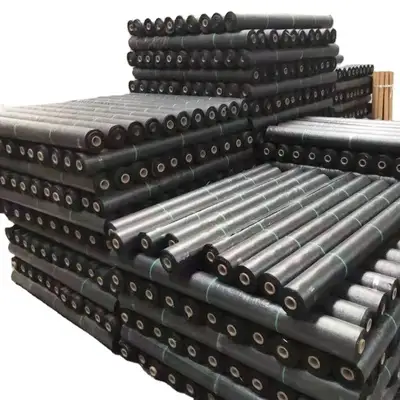
Choosing the right irrigation pipes is essential for maintaining healthy crops, managing water resources, and improving farm productivity. Different farming operations have different irrigation requirements depending on crop type, soil conditions, field size, water availability, and climate. Selecting suitable pipes helps ensure consistent water delivery while reducing leakage, maintenance, and operating costs.
Farmers should evaluate pipe materials, pressure ratings, diameter, durability, and compatibility with their irrigation systems before making a purchase. Consulting an experienced Irrigation Pipe Manufacturer can help identify suitable pipe options based on specific agricultural requirements, whether the system is designed for a small vegetable garden or a large commercial farm.
Understanding Different Types of Irrigation Pipes
Irrigation pipes are available in several materials and designs, each serving different purposes. Understanding their characteristics makes it easier to select a practical solution for a particular farming operation.
1. Polyethylene Pipes
Polyethylene (PE) pipes are widely used in agricultural irrigation because they are lightweight, flexible, and resistant to corrosion. Their flexibility makes them suitable for installations where pipes need to follow uneven ground or accommodate changing field layouts.
These pipes are commonly used in drip irrigation systems, water distribution networks, and certain sprinkler applications. Their suitability depends on the pipe’s pressure rating, diameter, and specific material grade.
2. PVC Irrigation Pipes
PVC pipes are frequently used in agricultural water supply systems, particularly where rigid piping is suitable. They offer good corrosion resistance and can provide an economical option for transporting water across fields.
However, PVC pipes are less flexible than polyethylene alternatives and require appropriate support and installation. Farmers should select products with specifications suited to the operating pressure and environmental conditions.
3. Drip Irrigation Tubes
Drip irrigation tubes deliver water close to plant roots, helping farmers manage water application more precisely. They are particularly useful for vegetables, fruit crops, orchards, and greenhouse production.
These tubes may include integrated emitters or connect to separate drip components. Proper selection depends on emitter spacing, flow rate, filtration requirements, and the water needs of the crop.
Selecting Irrigation Pipes for Different Crops
Different crops require different irrigation methods, and pipe selection should reflect the way water is distributed throughout the field.
Vegetable Farming
Vegetables such as tomatoes, peppers, cucumbers, and leafy greens often benefit from drip irrigation. Drip lines can deliver water near the root zone, helping maintain suitable soil moisture and limiting unnecessary wetting between crop rows.
Farmers should consider pipe flexibility, emitter spacing, filtration needs, and the layout of planting beds. Systems with easily accessible connectors can also simplify seasonal maintenance.
Fruit Orchards and Vineyards
Orchards and vineyards often require irrigation systems that supply water to individual trees or plants over long growing periods. Drip irrigation and micro-irrigation systems are common options for these applications.
The pipe network should accommodate the spacing between plants, the required flow rate, and the length of each irrigation line. Durable distribution pipes and properly sized connectors help maintain consistent water delivery across larger areas.
Cereal and Field Crops
Crops such as wheat, maize, and rice may use different irrigation methods depending on local farming practices, terrain, and water availability. Surface irrigation, sprinkler systems, and other approaches may be suitable in different situations.
For sprinkler systems, pipe diameter and pressure capacity are particularly important because the network must supply water at the required pressure. For surface irrigation, pipe layout and flow capacity should match the field’s water distribution requirements.
Greenhouse Farming
Greenhouses often require precise irrigation management because crops are grown in a controlled environment with specific moisture requirements. Drip irrigation is commonly used to deliver water to individual plants or growing rows.
Flexible tubing, compatible fittings, and suitable filtration equipment can help maintain reliable operation. Farmers should also consider how easily the system can be inspected, cleaned, and adjusted as crops grow.
Important Factors to Consider When Choosing Irrigation Pipes
Before purchasing pipes, farmers should assess the technical and practical requirements of their irrigation systems.
Pipe Diameter and Water Flow
Pipe diameter influences how much water can pass through the system and affects friction losses along the pipeline. A pipe that is too small may restrict flow and create pressure differences between different sections of a field.
The correct diameter depends on factors such as total water demand, pipeline length, operating pressure, and the number of outlets. Proper hydraulic design helps ensure that crops receive the required amount of water.
Pressure Rating
Every irrigation pipe has a pressure capacity that should be compatible with the system’s operating conditions. Pumps, elevation changes, and pressure fluctuations can affect the demands placed on the pipeline.
Farmers should select pipes with suitable pressure ratings and account for possible pressure surges where relevant. Following the manufacturer’s installation and operating recommendations can help reduce the risk of leaks and pipe failure.
Material Quality and Durability
Agricultural pipes may be exposed to sunlight, changing temperatures, soil movement, and mechanical stress. Material quality plays an important role in determining how well a pipe performs under these conditions.
When comparing products, review the material specifications, wall thickness, ultraviolet resistance where applicable, and expected operating conditions. Selecting suitable materials can reduce replacement frequency and long-term maintenance costs.
Soil and Terrain Conditions
The field’s physical characteristics can influence both pipe material and installation method. Uneven terrain, rocky soil, and areas with heavy machinery may require additional attention to pipe placement and protection.
Buried pipelines should be installed at an appropriate depth and protected against damage. Above-ground systems should be positioned to minimize interference with farming operations and unnecessary exposure to physical stress.
Matching Pipes to Different Irrigation Methods
The irrigation method determines how water moves through the system and which pipe characteristics matter most.
- Drip irrigation: Requires suitable mainlines, distribution pipes, and drip tubing that work with the system’s emitters and filtration equipment.
- Sprinkler irrigation: Needs pipes capable of supplying the required flow at the appropriate operating pressure.
- Surface irrigation: May use supply pipes and outlets designed to deliver sufficient water to field channels or designated irrigation areas.
- Micro-sprinkler irrigation: Requires compatible distribution lines, connectors, and pressure conditions to support consistent water application.
Choosing pipes according to the irrigation method helps improve system compatibility and reduces the likelihood of performance problems.
Installation and Maintenance Best Practices
Even high-quality irrigation pipes may perform poorly if they are installed incorrectly or maintained inconsistently. Proper installation protects the system and helps maintain reliable water distribution.
Before installation, check the field layout, pipeline dimensions, connection requirements, and operating pressure. Flush the system when appropriate to remove debris that could obstruct pipes or emitters.
Routine maintenance should include inspecting joints for leaks, checking for visible damage, cleaning filters, and monitoring pressure changes. Drip irrigation systems may require periodic flushing to prevent sediment accumulation, depending on water quality and system design.
Seasonal inspections are particularly useful before peak irrigation periods. Identifying small problems early can help prevent costly interruptions during important stages of crop growth.
Balancing Initial Cost and Long-Term Value
The cheapest irrigation pipe is not necessarily the most economical choice over time. Products with unsuitable specifications may require more frequent repairs, consume additional pumping energy, or need replacement sooner than expected.
Farmers should compare prices alongside material quality, pressure ratings, expected service life, warranty coverage, and delivery costs. It is also important to confirm that fittings and accessories are compatible with the selected pipe system.
A properly designed irrigation network can help reduce water losses, support efficient operation, and limit unnecessary maintenance expenses. The best purchasing decision is one that balances the farm’s budget with its practical and technical needs.
Conclusion
Selecting irrigation pipes for different farming needs involves understanding crop requirements, irrigation methods, water flow, operating pressure, and field conditions. Polyethylene pipes, PVC pipes, and drip irrigation tubes each offer different advantages, making it important to evaluate products according to their intended application.
By focusing on durability, compatibility, correct sizing, and maintenance requirements, farmers can build irrigation systems that deliver water reliably and support long-term agricultural productivity. Careful planning and informed product selection also help manage costs while making better use of available water resources.