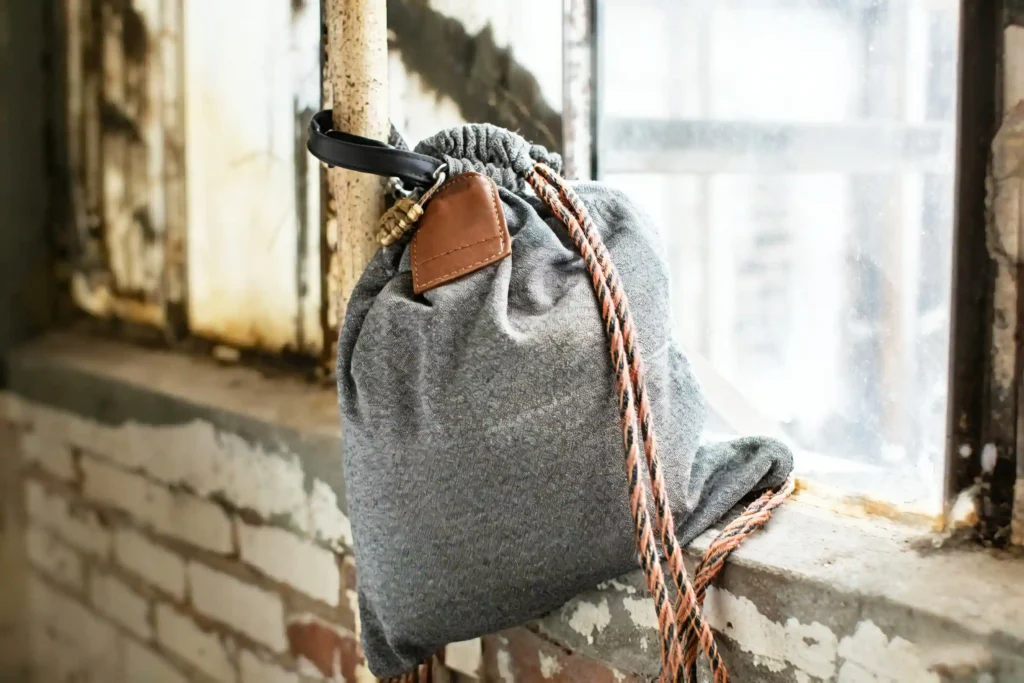
Carrying personal belongings in busy public spaces can create practical security concerns. Commuters, travelers, shoppers, and tourists may carry phones, wallets, identification documents, and other valuables that need to remain secure throughout the day. Bag design can provide an additional layer of protection against certain physical threats.
A Slash Proof Bag is designed with materials and construction methods intended to make the bag more resistant to cutting or slashing. While no bag can eliminate every security risk, protective construction can make unauthorized access more difficult and give users greater confidence when carrying everyday essentials.
What Makes a Bag Slash Resistant?
Slash-resistant bags typically incorporate reinforced or cut-resistant materials into areas that could otherwise be vulnerable to sharp objects. These materials are designed to make cutting through the bag’s exterior more difficult than it would be with conventional fabrics.
The level of protection depends on the material, construction, and coverage. Some designs reinforce specific panels, while others incorporate protective layers throughout much of the bag.
How Slash Resistant Construction Works
The protective layer can be made from specialized fibers, reinforced fabrics, metal mesh, or other materials designed to resist cutting. These materials may be integrated into the main body, straps, or other vulnerable areas.
Construction is equally important. A strong protective layer can be less effective if seams, handles, or attachment points are poorly designed. For this reason, overall construction should be considered alongside the material itself.
Protection for Everyday Essentials
One of the main benefits of a slash-resistant design is helping protect commonly carried belongings. These may include:
- Smartphones
- Wallets and payment cards
- Identification documents
- Keys
- Travel documents
- Small electronic devices
Keeping these items inside a more resistant bag can add a physical barrier between personal belongings and potential attempts to access the bag quickly.
Reinforced Straps and Handles
Straps can be a vulnerable part of a conventional bag. If a strap is easily cut, someone may be able to separate the bag from its owner.
Protective designs may therefore incorporate reinforced or cut-resistant materials into shoulder straps and handles. Strong attachment points are also important because the connection between the strap and bag can experience significant stress during everyday use.
Secure Closures
A slash-resistant exterior does not necessarily prevent unauthorized access through the bag’s normal openings. Closures therefore play an important role in the overall security design.
Strong zippers, secure fasteners, and well-positioned openings can make access more difficult while still allowing the owner to use the bag conveniently.
Hidden and Organized Compartments
Security can also be improved through thoughtful organization. Hidden or discreet compartments can provide additional places to store valuable items away from the most accessible areas.
Separate pockets can also prevent important belongings from becoming mixed together, making it easier for users to keep track of what they are carrying.
Comfort Still Matters
A security-focused bag needs to remain practical for everyday use. Protective materials can add weight, so manufacturers must balance security features with carrying comfort.
Adjustable straps, padded contact areas, balanced weight distribution, and suitable dimensions can make a protective bag easier to carry during commuting, travel, or extended outings.
Weather Resistance and Durability
Everyday bags may be exposed to rain, dust, accidental spills, and frequent handling. Weather-resistant materials can help protect both the bag and its contents.
Durability is also important because protective features should continue to function as the bag is used repeatedly. Strong stitching, reliable zippers, and reinforced stress points can contribute to longer product life.
Choosing the Right Size
The size of a protective bag should reflect the items you normally carry. A small crossbody bag may be suitable for essential belongings, while a larger backpack may be more practical for work or travel.
Avoid choosing a bag solely because it offers greater capacity. A bag that is unnecessarily large can become heavier and less convenient when filled.
Check Material and Testing Information
When evaluating slash-resistant products, look for clear information about the materials and any available testing. Specific test results can provide a better understanding of the protection offered than general claims.
Testing methods can vary, so it is useful to review what was tested and under which conditions. Consumers should avoid assuming that a product labeled as slash resistant is completely immune to cutting.
Consider Your Daily Environment
The usefulness of protective features depends on where the bag will be used. People who frequently travel through crowded transportation systems may have different priorities from those who mainly use a bag for local errands.
Consider factors such as crowd levels, travel frequency, carrying duration, weather, and the value of the items inside. These factors can help determine which combination of security and convenience features is most appropriate.
Slash Resistance Is Only One Security Measure
A slash-resistant bag can help address one type of physical security concern, but it does not replace general awareness and responsible handling of personal belongings.
Users should still keep bags within sight, secure important items, use appropriate closures, and remain aware of their surroundings. Protective design works best as part of a broader approach to everyday security.
Conclusion
Slash-resistant bags can improve everyday carry security by making certain parts of a bag more difficult to cut or access. Reinforced materials, protected straps, secure closures, strong stitching, and practical compartments can work together to create a more security-conscious design.
When choosing a protective bag, consider the construction, testing information, comfort, capacity, durability, and environment in which it will be used. A well-designed bag should provide useful protection without sacrificing the convenience needed for everyday life.