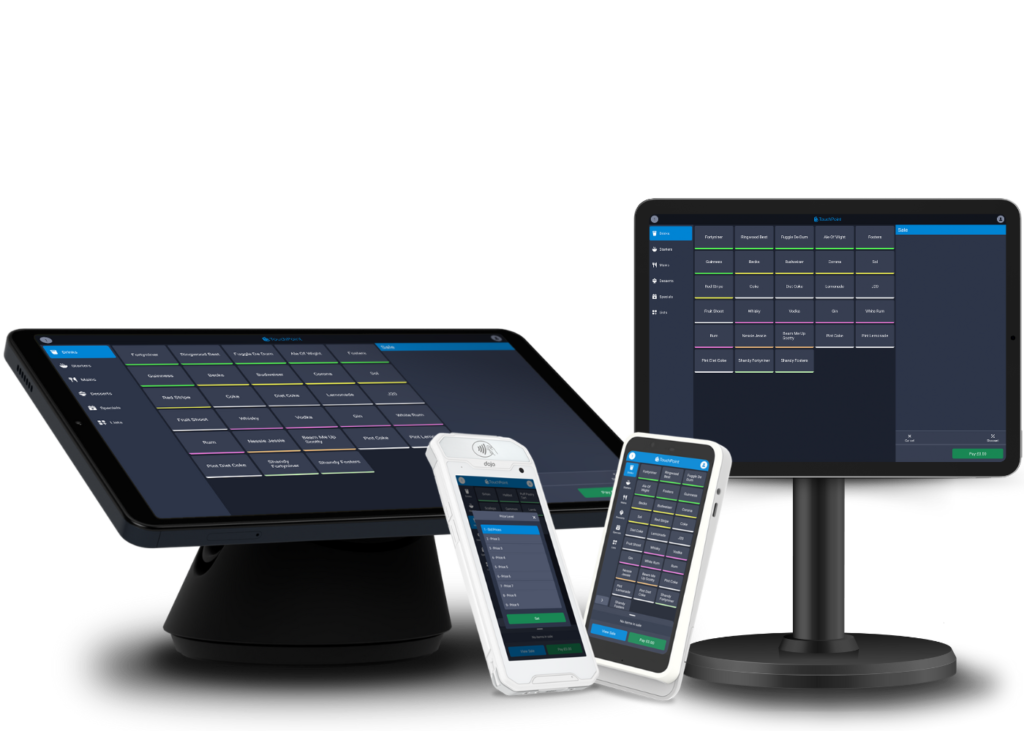
A POS till is one of the most important tools in retail stores, restaurants, supermarkets, and many other businesses. Since it handles daily transactions, inventory updates, and customer payments, regular maintenance is essential to keep it running efficiently. A well-maintained system reduces downtime, improves productivity, and helps deliver a smooth customer experience.
Proper maintenance of your POS Till ensures consistent performance while protecting valuable business data. By following a few preventive maintenance practices, businesses can extend the lifespan of their equipment and avoid unexpected operational disruptions.
Keep the Software Updated
Software updates often include security improvements, bug fixes, and new features that enhance system performance. Installing updates regularly helps keep your POS system secure and compatible with the latest technologies.
Schedule updates outside business hours whenever possible to minimize interruptions.
Clean the Hardware Regularly
Dust, dirt, and spills can affect the performance of POS hardware over time. Clean components such as the touchscreen, keyboard, barcode scanner, receipt printer, and card reader using appropriate cleaning materials.
Regular cleaning helps prevent hardware issues and ensures smooth daily operation.
Back Up Business Data
Unexpected hardware failures or software issues can result in data loss. Creating regular backups helps protect important business information and allows for quick recovery if needed.
Important data to back up includes:
- Sales records
- Inventory information
- Customer details
- Employee records
- Financial reports
Using automatic cloud backups provides an extra level of protection.
Monitor System Performance
Pay attention to the overall performance of your POS till. Slow transaction processing, delayed reports, or frequent system errors may indicate that maintenance is needed.
Identifying and resolving small issues early can prevent more serious problems in the future.
Strengthen System Security
Because a POS system processes sensitive customer and payment information, strong security measures are essential.
Recommended security practices include:
- Using strong passwords
- Enabling role-based user access
- Installing antivirus software
- Keeping security patches updated
- Using secure internet connections
These measures help protect business data from unauthorized access and cyber threats.
Inspect Peripheral Devices
Peripheral devices such as barcode scanners, receipt printers, cash drawers, and payment terminals should be checked regularly for wear or damage.
Replacing faulty equipment promptly helps maintain efficient business operations and reduces unexpected downtime.
Train Employees Properly
Employees who understand how to use the POS system correctly are less likely to make operational mistakes. Regular training ensures staff are familiar with system updates, security procedures, and best practices.
Well-trained employees also provide faster and more accurate customer service.
Verify Inventory Accuracy
If your POS till includes inventory management features, conduct routine inventory checks to ensure system records match actual stock levels.
Accurate inventory data supports better purchasing decisions and helps prevent stock shortages or excess inventory.
Review Business Reports
POS systems generate valuable reports that provide insights into sales performance, inventory movement, and customer trends. Reviewing these reports regularly can help identify operational issues and opportunities for improvement.
Using business data effectively supports smarter decision-making.
Schedule Professional Maintenance
In addition to routine care, periodic servicing by qualified technicians helps ensure both hardware and software continue to function efficiently. Professional inspections can detect hidden problems before they become costly repairs.
Regular maintenance schedules improve system reliability and extend equipment life.
Conclusion
Maintaining a POS till is essential for ensuring reliable performance and uninterrupted business operations. Regular software updates, hardware cleaning, data backups, security measures, employee training, and routine inspections all contribute to a dependable system. By taking a proactive approach to maintenance, businesses can improve efficiency, protect valuable information, and provide a better experience for both employees and customers.