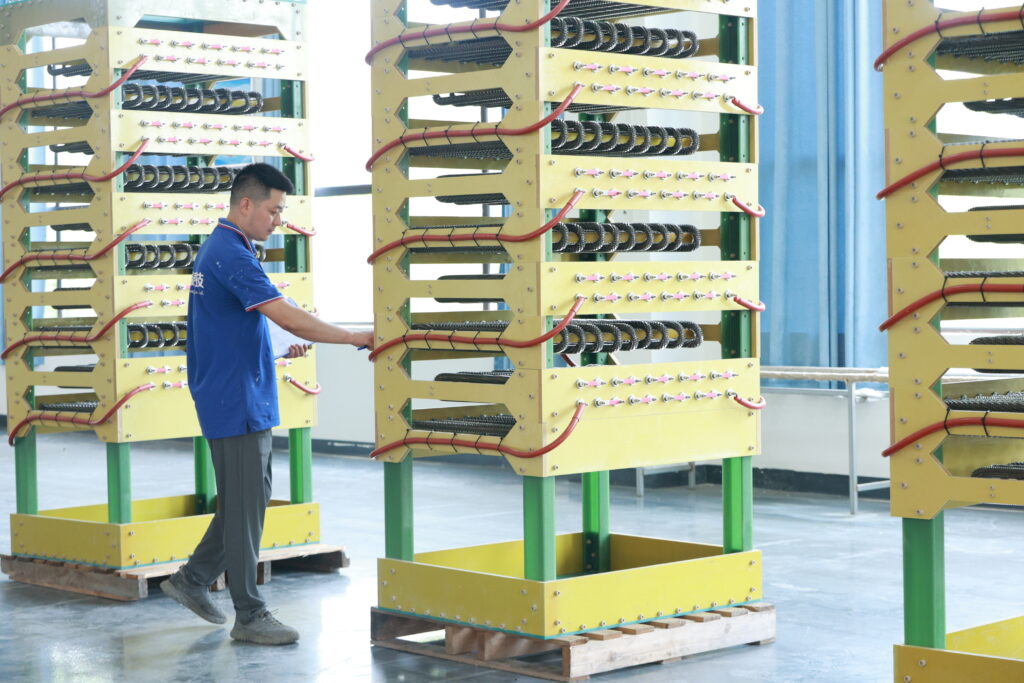
Choosing the right resistive load banks manufacturer is an important decision for businesses that rely on dependable power system testing. Resistive load banks are used to test generators, UPS systems, batteries, turbines, and other electrical equipment under controlled conditions, ensuring they perform reliably when needed. One common question buyers face is whether to purchase from a local manufacturer or an international one.
Both options have their advantages, and the best choice depends on your project requirements, budget, delivery expectations, and long-term support needs. Understanding the differences between local and international manufacturers can help you make an informed investment.
Understanding Local Manufacturers
Local manufacturers operate within the same country or region as the customer. They often provide easier communication, faster delivery, and more convenient on-site support.
Working with a local resistive load banks manufacturer can be particularly beneficial for businesses that require quick service, regular maintenance, or frequent technical assistance.
Advantages of Local Manufacturers
Local manufacturers offer several practical benefits, including:
- Faster delivery times
- Easier communication
- Convenient factory visits
- Local technical support
- Faster spare parts availability
- Simplified warranty service
These advantages can reduce project delays and improve after-sales service.
Potential Limitations
Although local manufacturers provide excellent accessibility, some may have limitations in product variety, production capacity, or advanced engineering capabilities, depending on the size of the company and the local market.
Organizations with highly specialized testing requirements should carefully evaluate whether the manufacturer can meet their technical specifications.
Understanding International Manufacturers
International manufacturers often serve customers across multiple countries and industries. Their extensive experience allows them to develop products that meet diverse operational requirements and international quality expectations.
An experienced international resistive load banks manufacturer may offer broader product selections, advanced technology, and larger manufacturing capacity.
Advantages of International Manufacturers
Many global manufacturers provide benefits such as:
- Extensive engineering expertise
- Advanced manufacturing technology
- Wide product range
- Greater customization options
- High production capacity
- Experience with international projects
These strengths make them suitable for complex industrial applications and large-scale projects.
Things to Consider
When working with international manufacturers, buyers should consider shipping times, customs procedures, communication across time zones, and import regulations.
Planning ahead can help minimize delays and ensure smooth project execution.
Product Quality Comparison
Product quality depends more on the manufacturer’s engineering standards and quality control processes than on its geographic location.
A reliable resistive load banks manufacturer, whether local or international, should provide:
- Premium electrical components
- Durable resistive elements
- Efficient cooling systems
- Comprehensive factory testing
- Strict quality inspections
Evaluating manufacturing practices is more important than simply considering where the company is located.
Engineering and Customization
Many international manufacturers invest heavily in research and development, allowing them to offer advanced technologies and highly customized solutions. However, some local manufacturers also possess strong engineering teams capable of meeting specialized customer requirements.
When comparing manufacturers, consider whether they can provide:
- Custom voltage ratings
- Portable or stationary designs
- Indoor or outdoor configurations
- Remote monitoring capabilities
- Digital control systems
The ability to customize equipment is often more valuable than location alone.
Technical Support and After-Sales Service
Customer support is a major factor in choosing a manufacturer.
Local manufacturers often provide:
- Faster on-site service
- Easier communication
- Quicker maintenance visits
International manufacturers may offer:
- Dedicated technical support teams
- Online troubleshooting
- Comprehensive documentation
- Global spare parts networks
- Remote technical assistance
Choose the manufacturer whose support structure best matches your operational needs.
Delivery and Lead Times
Delivery schedules vary depending on manufacturing capacity, inventory availability, and shipping distance.
Local manufacturers generally offer shorter transportation times, while international manufacturers may require additional time for production, export documentation, and shipping.
Businesses with urgent project deadlines should discuss delivery schedules before placing an order.
Cost Considerations
Price comparisons should go beyond the initial purchase cost. Evaluate the total cost of ownership, including:
- Equipment quality
- Maintenance expenses
- Spare parts availability
- Shipping costs
- Installation support
- Equipment lifespan
Sometimes an international resistive load banks manufacturer may offer better long-term value despite higher shipping costs, while a local supplier may reduce overall expenses through faster service and lower logistics costs.
Making the Right Choice
The best manufacturer depends on your priorities.
A local manufacturer may be ideal if you value:
- Quick delivery
- Local technical support
- Faster maintenance
- Easier communication
An international manufacturer may be the better choice if you need:
- Advanced engineering
- Customized solutions
- Large production capacity
- Global project experience
- Innovative product technology
Carefully evaluating your project requirements will help determine which option delivers the greatest value.
Conclusion
There is no universal answer to whether a local or international resistive load banks manufacturer is better. Both offer unique advantages depending on your technical requirements, budget, project timeline, and support expectations. Rather than focusing solely on location, businesses should evaluate product quality, engineering expertise, customization capabilities, manufacturing standards, and after-sales service. By choosing a manufacturer that aligns with your operational goals, you can ensure accurate testing, reliable equipment performance, and long-term success for your critical power systems.