Swimming pools exposed to direct sunlight face a recurring water-treatment challenge: ultraviolet (UV) radiation gradually breaks down free chlorine, reducing its ability to control bacteria, algae, and other unwanted microorganisms. This process can make chlorine levels fluctuate throughout the day, particularly during hot weather and periods of heavy pool use. Selecting an appropriate stabilizing product is therefore an important part of maintaining consistent water quality in outdoor swimming pools.
Choosing the right Chlorine Stabilizer requires more than comparing product prices or application rates. Pool operators should consider factors such as cyanuric acid concentration, water volume, sunlight exposure, chlorine type, and existing water chemistry. Understanding these variables helps support effective chlorine management while reducing unnecessary chemical consumption.
Why Sunlight Affects Pool Chlorine
Chlorine is widely used in swimming pools because it helps disinfect water and control microbial growth. However, when free chlorine is exposed to sunlight, UV radiation can accelerate its decomposition. As chlorine levels decline, the pool may become more difficult to maintain within its recommended sanitation range.
The rate of chlorine loss depends on several conditions:
- Sunlight intensity: Pools receiving strong direct sunlight generally experience faster chlorine degradation.
- Exposure duration: Longer periods of sunlight can increase cumulative chlorine loss.
- Water temperature: Warm conditions often coincide with increased swimming activity and greater sanitation demands.
- Pool usage: Swimmers introduce organic contaminants that increase chlorine consumption.
- Water chemistry: Unbalanced pH and other chemical conditions can affect chlorine performance.
These factors make regular testing and appropriate stabilization especially important for outdoor pools.
Understanding How Chlorine Stabilizers Work
Cyanuric acid is commonly used as a chlorine stabilizer in outdoor swimming pools. It helps protect free chlorine from rapid destruction by UV radiation by forming a reversible association with chlorine in the water.
This relationship allows a portion of the chlorine to remain protected while maintaining an available disinfecting reserve. The objective is not to prevent chlorine activity but to reduce unnecessary losses caused by sunlight.
Stabilization must be managed carefully. Too little cyanuric acid may provide insufficient UV protection, while excessive concentrations can reduce the effectiveness of free chlorine and complicate sanitation management. Maintaining an appropriate balance is therefore essential.
Key Factors to Consider When Selecting a Chlorine Stabilizer
1. Cyanuric Acid Concentration
The concentration of active stabilizing ingredient is one of the first specifications to review. Products should provide clear information about their composition and recommended application rates.
A higher concentration does not automatically mean better performance. The correct amount depends on the pool’s current cyanuric acid level, water volume, and treatment requirements. Pool operators should test the water before adding more stabilizer to avoid unnecessary accumulation.
2. Sunlight Exposure and Climate
Pools in regions with intense sunlight may experience more rapid chlorine loss than pools located in shaded environments. Climate, seasonal conditions, and daily exposure patterns should therefore influence stabilizer selection and dosing decisions.
For example, an outdoor pool receiving direct sunlight for most of the day may require more consistent monitoring than a pool partially protected by buildings, trees, or shade structures.
3. Pool Volume and Water Circulation
The amount of stabilizer required depends partly on the total water volume. Incorrect volume estimates can lead to underdosing or excessive cyanuric acid concentrations.
Water circulation also matters. Effective circulation helps distribute treatment chemicals throughout the pool rather than allowing uneven concentrations to develop. Operators should follow product instructions and use the pool’s circulation system as recommended.
4. Compatibility With Existing Chlorine Products
Pool sanitation programs may use different chlorine formulations, including liquid chlorine, calcium hypochlorite, dichlor, or trichlor. Some stabilized chlorine products already contain cyanuric acid, while unstabilized products do not.
This distinction is important when selecting an additional stabilizer. Repeated use of stabilized chlorine can gradually increase cyanuric acid levels, so operators should consider the contribution of all products used in their treatment program.
5. Product Quality and Solubility
A reliable stabilizer should have clearly documented specifications, consistent quality, and instructions suitable for its intended application. Dissolution characteristics may also influence handling and distribution.
Buyers should review product documentation, packaging integrity, batch consistency, and supplier information. For commercial pools, dependable product availability and technical support can be valuable considerations.
Comparing Common Chlorine Stabilization Approaches
Different pool-treatment strategies can help manage chlorine loss, but they are not interchangeable.
| Approach | Main purpose | Important consideration |
|---|---|---|
| Cyanuric acid stabilizer | Reduces UV-related chlorine loss | Concentration must be monitored |
| Stabilized chlorine products | Supply chlorine and cyanuric acid together | Repeated use can increase stabilizer levels |
| Unstabilized chlorine products | Provide chlorine without adding cyanuric acid | May require closer attention to sunlight-related chlorine loss |
| Regular water testing | Tracks chlorine and stabilizer levels | Testing frequency should reflect pool conditions |
The most suitable approach depends on the pool’s sanitation system, existing water chemistry, and operating conditions.
Best Practices for Maintaining Stabilizer Levels
Selecting a suitable product is only one part of effective pool management. Consistent testing and careful chemical handling help ensure that stabilization supports rather than interferes with disinfection.
Test Before Adding Stabilizer
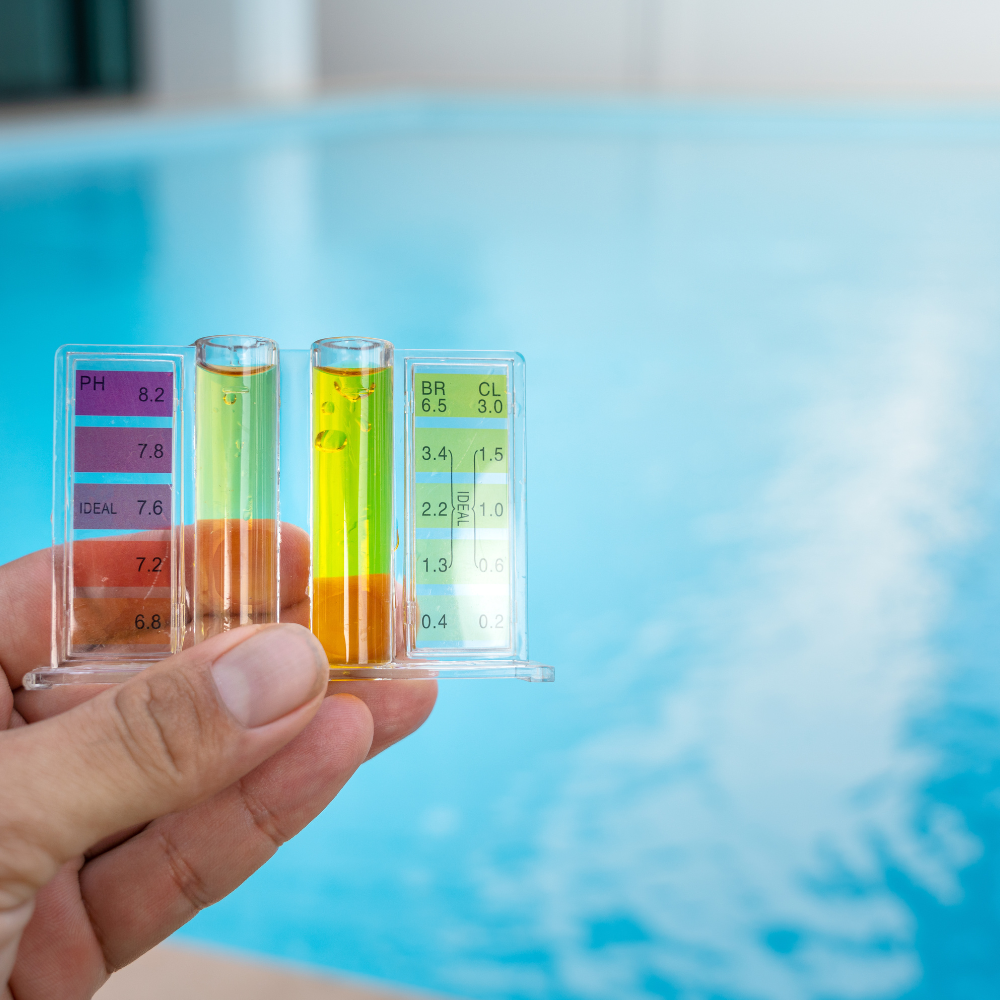
Measure free chlorine and cyanuric acid before making adjustments. Testing establishes the current condition of the water and helps determine whether additional stabilizer is necessary.
Follow Product Instructions
Different formulations may have different application procedures. Always follow the manufacturer’s directions for dosage, dissolution, addition, and circulation.
Monitor Free Chlorine and pH
Stabilizer levels should be considered alongside free chlorine and pH. Cyanuric acid does not replace chlorine, and maintaining an appropriate free-chlorine residual remains essential for sanitation.
Avoid Excessive Stabilizer Accumulation
Cyanuric acid can build up over time, particularly when stabilized chlorine products are used regularly. If concentrations become too high, partial draining and refilling may be necessary, subject to local regulations and water-management requirements.
Maintain Safe Chemical-Handling Practices
Store pool chemicals in their original, clearly labeled containers in a cool, dry, well-ventilated area. Keep incompatible chemicals separate, avoid mixing products, and use the protective equipment specified by the product safety documentation.
Common Mistakes When Choosing a Stabilizer
Several avoidable mistakes can reduce treatment efficiency or create additional water-quality problems.
- Choosing solely by price: Low initial cost does not necessarily indicate consistent quality or suitability.
- Ignoring existing cyanuric acid levels: Adding stabilizer without testing can cause excessive accumulation.
- Overlooking stabilized chlorine products: These products may already contribute cyanuric acid to the pool.
- Using incorrect dosage calculations: Inaccurate estimates of pool volume can lead to unsuitable treatment levels.
- Neglecting routine testing: Sunlight, rainfall, water replacement, and pool use can all change water chemistry.
- Assuming stabilization replaces sanitation: A stabilizer protects chlorine from UV degradation but does not independently disinfect pool water.
Avoiding these mistakes helps pool operators maintain a more predictable treatment routine.
What Commercial Buyers Should Look for in a Supplier
For swimming pool service companies, distributors, and commercial facility operators, supplier selection is another important consideration. Product quality and consistency can influence both treatment results and operational efficiency.
Before purchasing, buyers should evaluate:
- Technical specifications: Confirm the active ingredient, purity information, and available product documentation.
- Quality control: Review whether the manufacturer maintains consistent production and batch-testing procedures.
- Packaging options: Select packaging appropriate for storage conditions, handling requirements, and purchasing volume.
- Safety documentation: Obtain current safety data sheets and clear handling instructions.
- Supply reliability: Consider production capacity, delivery arrangements, and the supplier’s ability to support ongoing demand.
- Technical assistance: Access to product guidance can help buyers address application and storage questions.
These considerations are particularly relevant for businesses managing multiple pools or distributing water-treatment chemicals.
Conclusion
Choosing a chlorine stabilizer for a sun-exposed swimming pool involves balancing UV protection, water chemistry, product quality, and practical application requirements. Cyanuric acid can help reduce chlorine loss caused by sunlight, but its concentration must remain controlled to support effective disinfection.
By considering sunlight exposure, pool volume, chlorine formulation, product specifications, and routine testing, pool operators can make more informed purchasing and treatment decisions. A well-managed stabilization program helps maintain more consistent chlorine levels while supporting reliable outdoor pool sanitation.